Simple Ingredient Swaps for Healthier Family Meals
Transforming Meals with Easy Swaps
Families across the United States are constantly looking for ways to make their meals healthier without sacrificing flavor. One effective strategy is ingredient swapping. These easy adjustments can lead to better nutrition and help create a more balanced diet for everyone around the table. Ingredient swaps not only keep meals exciting but can also cater to specific dietary restrictions, making them a versatile solution for diverse family preferences.
Consider this: simple changes can dramatically impact your family’s health. These adjustments can reduce unhealthy fats, lower sugar intake, and increase fiber and protein content. Here are a few quick swaps to get started:
- Greek yogurt instead of sour cream for dips and sauces. Not only does Greek yogurt provide a tangy flavor, but it also packs about twice the protein and less fat, making it a nutritious substitute in recipes like loaded baked potatoes or creamy dressings.
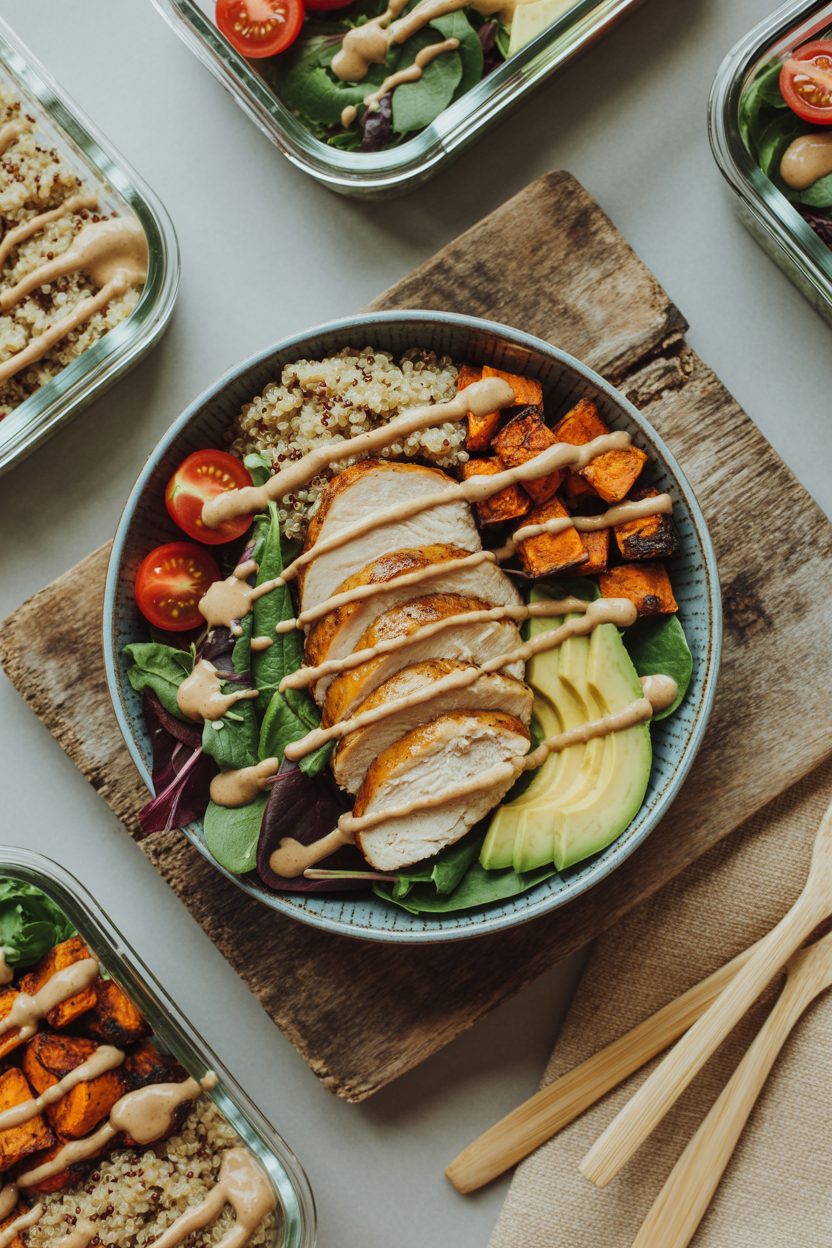
- Quinoa as a substitute for rice in a variety of dishes. Quinoa is a complete protein source, meaning it contains all nine essential amino acids and is higher in fiber than traditional white rice. Use it in stir-fries, salads, or as a base for veggie bowls to enhance nutrition.
- Whole grain pasta instead of traditional white pasta. Whole grain varieties offer more fiber and micronutrients, helping to keep you fuller longer and promoting digestive health. Consider swapping out spaghetti for whole wheat options in classic dishes like spaghetti marinara or baked ziti.
These ingredient swaps not only enhance the meals but also introduce essential nutrients into your family’s diet. For instance, swapping conventional sweetened beverages for sparkling water with a hint of fruit can reduce added sugars significantly without sacrificing enjoyment. Similarly, using avocado in place of butter in baking can provide healthy fats and add moisture to your favorite recipes.
Moreover, becoming mindful of ingredient choices can encourage healthier eating habits among children, who often mimic their parents’ dietary patterns. Engaging kids in the cooking process, while discussing these swaps, can foster positive attitudes towards healthy food and nutrition.
Are you ready to explore more simple ingredient swaps? Dive in to uncover a wealth of opportunities for transforming family dining, making it not just delicious but also nutritious. With a little creativity and willingness to experiment, meals can be both enjoyable and aligned with wellness goals, turning your kitchen into a hub of healthy transformation.
DISCOVER MORE: Click here for quick and healthy dinner ideas
Wholesome Substitutions for Everyday Ingredients
Making simple ingredient swaps can yield significant health benefits for your family while keeping meals interesting and flavorful. Parents often desire meals that not only satisfy their taste buds but also deliver nourishing benefits—ingredient swapping can help achieve this balance without the need for elaborate recipes or complex meal prep. Here are some additional substitutions that can enhance your family meal plans:
- Cauliflower instead of rice or mashed potatoes. This versatile vegetable can be steamed and riced or mashed to create low-carb alternatives to traditional side dishes. It’s also rich in vitamins C and K, making it a powerhouse addition to your dinner plate.
- Flaxseed or chia seeds as an egg replacement in baking. When mixed with water, both flaxseed and chia seeds can mimic the binding properties of eggs, making them excellent for vegan recipes. This swap introduces omega-3 fatty acids and additional fiber, beneficial for heart health and weight management.
- Turkey or chicken instead of ground beef in recipes. Lean poultry options can significantly decrease saturated fat in meals while still providing a robust flavor. Use ground turkey or chicken in tacos, meatloaf, or chili to create healthier versions of family favorites.
- Nut butters in place of butter or cream in smoothies or baking. Almond or peanut butter can add richness and a creamy texture without the saturated fat found in traditional dairy products. They also provide essential nutrients like protein, healthy fats, and vitamins.
These swaps not only contribute to healthier meals but also allow families to experiment with diverse flavors and textures. It can be surprising how a few simple adjustments can transform the nutritional profile of a dish while keeping everyone at the table satisfied. For example, the swap from white rice to cauliflower rice can yield a dish that is significantly lower in calories and carbohydrates, appealing to both health-conscious eaters and those looking for lighter options.
Involving children in the process of choosing and preparing meals can promote a sense of ownership, further encouraging them to embrace healthier eating habits. As a fun activity, consider hosting a ‘swap night’ where family members suggest their favorite ingredient replacements, fostering an inclusive atmosphere of learning and discovery surrounding food.
As families begin this journey of ingredient swapping, they will likely uncover a world of excitement in the kitchen. Not only can these substitutions enhance health, but they can also align perfectly with personal tastes and dietary needs. So why not explore these options and create a menu that is not only joyful but truly beneficial for everyone at your dinner table?
| Ingredient Category | Benefits of Swaps |
|---|---|
| Pasta | Switching to whole grain pasta increases fiber content, aiding digestion and enhancing satiety. |
| Sugar | Using natural sweeteners like honey or maple syrup can reduce refined sugar intake, supporting overall health. |
| Fried Foods | Opting for baked alternatives lowers unhealthy fat consumption, making meals heart-friendly. |
| Dairy | Almond or oat milk can provide lactose-free options, catering to dietary restrictions and offering lower calories. |
By making these simple ingredient swaps, you not only nourish your family with healthier meals but also introduce them to new flavors and textures. Each swap is an opportunity to combine health benefits with deliciousness, making mealtime enjoyable for everyone. For example, swapping white rice for cauliflower rice can significantly cut calories while providing essential nutrients. Furthermore, experimenting with various spices instead of heavy sauces can enhance flavor profiles without adding unnecessary calories. This approach fosters a culture of health-conscious eating within the family, encouraging the little ones to appreciate wholesome choices from an early age.
DIVE DEEPER: Click here for delicious cake and banana bread recipes!
Creative Swaps for Flavor and Nutrition
Navigating the world of ingredient swaps can lead to delicious discoveries in the kitchen, proving that healthier meals don’t have to sacrifice taste. By choosing alternative ingredients, families can enjoy meals that are both satisfying and nutritious. Here are additional swaps that can elevate your family meals while enhancing health:
- Zoodles (zucchini noodles) instead of traditional pasta. This low-carb option not only increases vegetable intake but also offers a fresh flavor and crunch. Zoodles can be easily made using a spiralizer, and they pair wonderfully with a variety of sauces, from marinara to pesto, making pasta night guilt-free.
- Greek yogurt in place of sour cream or mayonnaise. The creamy texture of Greek yogurt provides the same mouthfeel with much less fat and more protein. Use it in dips, dressings, or even as a base for creamy sauces; this simple swap can elevate the nutritional value of family favorites.
- Quinoa or farro instead of white rice or couscous. These ancient grains pack a protein punch and are rich in fiber, helping to keep you feeling fuller longer. Their nutty flavors can add depth to salads, bowls, or grain-based dishes, making them a hearty addition to any meal.
- Nut milks or oat milk in place of whole milk or cream. Almond or oat milk can be used in cereals, smoothies, and baking, offering lactose-free alternatives while maintaining a creamy texture. These plant-based options often come fortified with vitamins and minerals, making them a smart choice for breakfast and beyond.
These innovative swaps not only contribute to a more balanced diet but also enable families to explore diverse culinary landscapes. For instance, the shift from regular pasta to zoodles not only reduces calorie intake but can also introduce kids to new vegetables in a fun and appealing way. The unique texture of zoodles can make dishes feel fresh and exciting, and it’s a wonderful opportunity to get picky eaters to enjoy more vegetables.
Engaging children in the meal-planning process when making these swaps can cultivate a sense of curiosity about food and nutrition. Letting them choose what grains to incorporate or which nut milk to try can encourage them to try new dishes with enthusiasm. Families can also experiment with themed weeks, focusing on different cuisines that utilize these healthier swap ingredients, such as a Mediterranean week featuring quinoa and Greek yogurt dishes.
Moreover, the health benefits of these alternative ingredients significantly contribute to overall family wellness. For example, quinoa is not only a complete protein source, but its high magnesium content supports muscle and nerve function, making it an excellent choice for active families. Similarly, switching to Greek yogurt offers probiotics that can aid in digestion, fostering gut health for the whole family.
The world of ingredient swapping is rich with potential, and as families embrace these changes, they may find themselves in a culinary adventure that promotes better health and fosters a positive relationship with food. With creativity and a willingness to try new options, parents can transform their meal routines and open up a wealth of delicious possibilities that nourish both body and mind.
DON’T MISS OUT: Click here for delicious air fryer comfort food recipes
Embrace the Change for a Healthier Family
Incorporating simple ingredient swaps into your family meals can lead to both health benefits and culinary creativity. As we’ve explored, substitutes like zoodles, Greek yogurt, quinoa, and plant-based milks not only enhance nutrition but introduce new flavors and textures that can invigorate familiar dishes. These adjustments promote a more balanced diet while making the cooking experience enjoyable for the entire family.
Engaging in the meal preparation process encourages children to develop a positive relationship with food, transforming how they view healthy eating. The opportunity to choose ingredients and experiment in the kitchen enhances their willingness to try new dishes, potentially leading to lifelong habits of healthy eating. As families explore these creative ingredient alternatives, they also set the stage for culinary adventures filled with excitement and discovery.
Moreover, embracing these swaps can support a wholesome lifestyle, providing essential nutrients that fuel active lives. By making small yet significant changes, families can enrich their meals with more protein, fiber, and healthy fats. Ultimately, these ingredient swaps are not just about changing recipes; they’re a step towards establishing a culture of wellness within the home. As you embark on this journey, consider it an invitation to enhance the joy of cooking while fostering better health for every member of your family. So why not start today?