Living with Less: The Impact of Simple Living on Mental Health and Well-Being

Embracing a New Way of Living
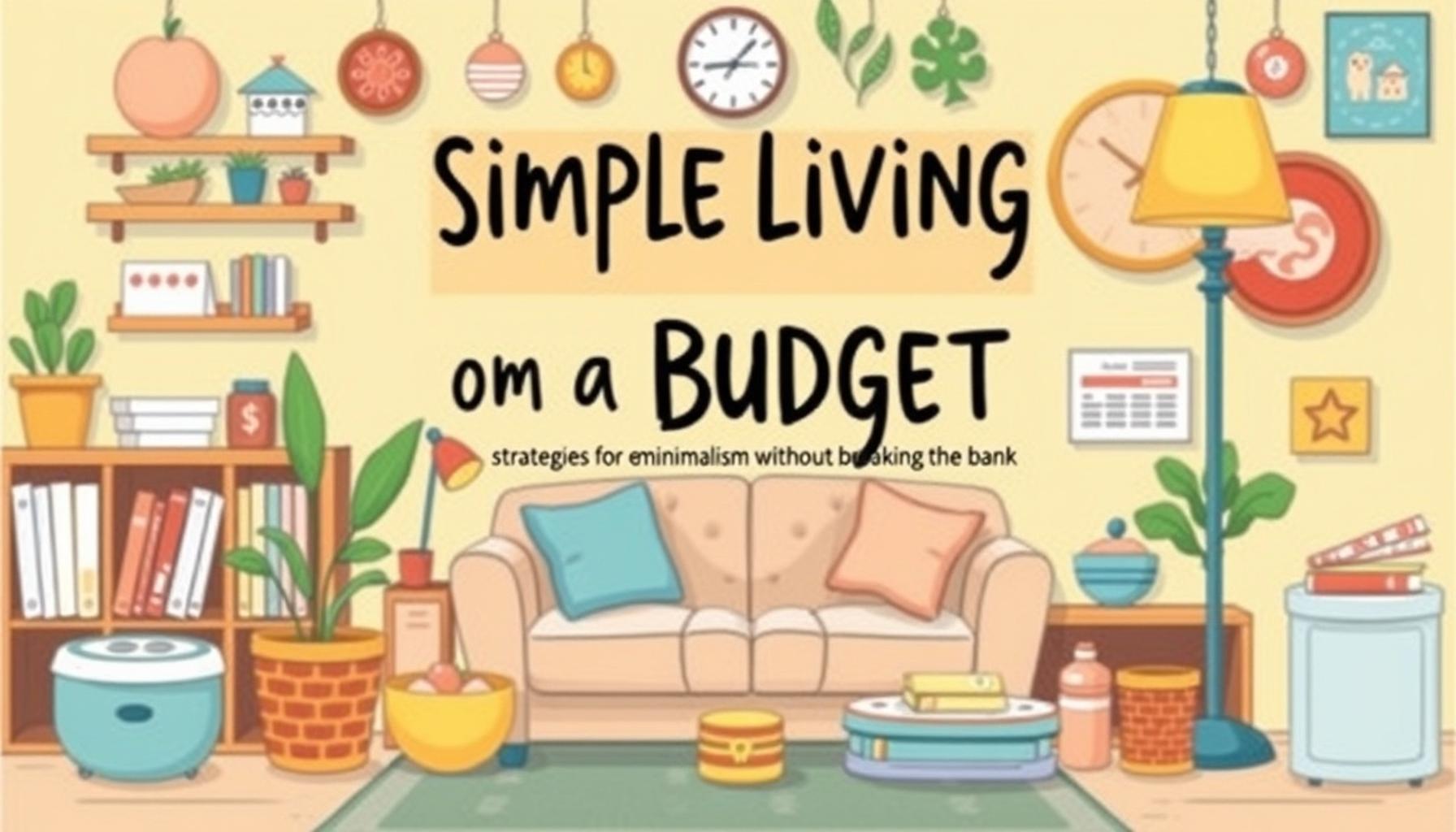
Countless individuals are re-evaluating their relationship with possessions, motivated by a growing understanding of the concept of living with less. This journey towards simplicity is becoming more than a trend; it is evolving into a lifestyle choice that influences mental well-being, financial stability, and overall happiness. As people transition away from the clutter of modern consumer culture, they often report significant shifts in their perspective on life and what they deem essential.
The Benefits of Simplification
The process of embracing minimalism offers several significant advantages that resonate deeply within the context of contemporary society:
- Reduced Stress: A decluttered environment can foster a sense of calm, allowing individuals to breathe easier in their own spaces. According to a study by the American Psychological Association, clutter can lead to increased stress levels, and by reducing it, people often find their anxiety diminishes as well.
- Enhanced Focus: Living with fewer distractions allows for greater concentration on meaningful tasks. For example, a worker in a tidy office may find it easier to tackle projects without the burden of extraneous items vying for their attention.
- Increased Financial Freedom: By prioritizing needs over wants, individuals often find themselves spending less on unnecessary items, thus creating a healthier financial situation. For instance, those who embark on minimalism can direct their resources towards experiences that enrich their lives, like traveling or pursuing hobbies, rather than purchasing non-essential goods.
Numerous studies support these benefits, with surveys indicating that individuals who adopt minimalism frequently report higher levels of life satisfaction. This link between mental health and the minimalist movement is especially relevant as many Americans navigate the complexities of modern living, where societal pressures can often feel overwhelming.
Exploring the Impact
The influence of simplifying one’s life extends far beyond personal gains, affecting broader societal structures. Consider the various ways this shift manifests in contemporary culture:
- The rise of tiny homes: These small dwellings are not just a housing trend; they symbolize a conscious choice to live simply, which has sparked a movement of minimalist communities across the United States, from California’s tiny house villages to the East Coast’s co-housing developments.
- Mindfulness practices: Many individuals are integrating mindfulness into their daily routines, focusing on the present moment rather than being overwhelmed by unnecessary distractions. This practice can lead to heightened self-awareness and emotional regulation, enhancing overall life quality.
- Local movements: Initiatives like zero-waste communities are gaining traction, encouraging residents to minimize waste production, emphasizing sustainable practices, and fostering collective responsibility towards the environment.
These instances not only highlight how adopting a minimalist lifestyle can transform individual well-being but also reveal its potential to spark wider societal change. The journey towards living with less is not merely a personal endeavor; it signifies a collective evolution, challenging the ideologies of consumerism and fostering community resilience and creativity.
DISCOVER MORE: Click here for essential tips on decluttering
Fostering Mental Clarity Through Simplicity
As individuals embark on their journey toward living with less, one of the most profound effects noted is the enhanced mental clarity that accompanies a simpler lifestyle. With the reduction of unnecessary possessions and distractions, people often experience clearer thinking and a newfound capacity for introspection. According to a 2018 study published in the journal Personality and Social Psychology Bulletin, participants who engaged in minimalism reported higher levels of cognitive clarity, enabling them to make decisions more efficiently and effectively.
Furthermore, the connection between a minimalistic lifestyle and improved mental health extends to emotional stability. Decluttering one’s living space can also symbolize freeing oneself from emotional baggage. Many individuals find that as they part with objects they no longer cherish, they also release unresolved feelings such as guilt or regret tied to those items. A study conducted by the University of California highlighted how organizing and simplifying one’s environment can lead to a decrease in overall negative emotions, fostering a more positive mindset.
Practical Steps Toward Minimalism
For those considering the transition to a simpler way of life, practical steps can guide the process:
- Start Small: Begin by identifying one area of your home or life that feels particularly cluttered. This could be a closet, a desk, or even a digital device. Dedicating focused time to this area can yield immediate feelings of relief.
- Implement a “One In, One Out” Rule: This tactic encourages the habit of only bringing in new items when you have removed a comparable item from your life, fostering a culture of mindfulness regarding consumption.
- Reflect on Purpose: Before acquiring new possessions, consider their purpose in your life and whether they truly contribute to your happiness. This reflection can help cultivate an authentic connection to your belongings.
Integrating these simple steps does not require a complete overhaul of one’s life but instead fosters a gradual shift towards simplicity, which can have lasting benefits for both mental health and well-being. By creating a more streamlined living environment, individuals can enjoy the dual advantages of reduced stress and heightened focus, enhancing their ability to engage fully with both their personal and work lives.
As the minimalist movement grows, so does its visibility in popular culture. From renowned figures like Marie Kondo to various documentaries highlighting the joys of decluttering, society is slowly warming to the idea that purposefully living with less can translate to living more fully. This cultural shift not only promotes individual wellness but encourages broader conversations around sustainable living and consumption, positioning minimalism as a catalyst for significant change in mental health and overall well-being.
| Category | Details |
|---|---|
| Reduced Stress | Many report that adopting a minimalist lifestyle contributes to lower stress levels by eliminating distractions and chaos from their lives. |
| Enhanced Focus | Simple living fosters a clear mental environment, allowing individuals to concentrate on what truly matters, enhancing productivity and creativity. |
| Improved Emotional Health | Living with less encourages deeper connections with people and the environment, promoting emotional well-being and a sense of belonging. |
| Financial Freedom | Less consumption can lead to lower expenses, granting individuals financial freedom that positively impacts overall mental health. |
The principles of simple living are closely tied to better mental health outcomes. For instance, numerous studies reveal that individuals embracing reduced materialism experience a boost in emotional resilience. This may be attributed to the tendency to make more mindful decisions about what they allow into their lives.Furthermore, research shows that engaging in simple living often leads to a minimalistic environment, which can serve as a canvas for creativity. By clearing away physical and mental clutter, individuals can cultivate clarity, enabling them to make more impactful love and life choices.Moreover, individuals who prioritize simple living often experience less comparison and competition with others, fostering a sense of genuine self-worth. Such practices create a ripple effect, leading them to invest in meaningful relationships rather than transient possessions.
DISCOVER MORE: Click here for essential tips
The Emotional Benefits of Letting Go
One of the most compelling aspects of the simple living movement is its capacity to foster emotional resilience. Many proponents of minimalism describe a significant reduction in anxiety once they embrace a lifestyle characterized by fewer possessions and commitments. This phenomenon is supported by research conducted by the National Institute of Health, which indicates that clutter can create feelings of chaos, leading to increased levels of stress and anxiety. By intentionally reducing possessions, individuals often report a calmer, more content state of mind.
Delving deeper into the emotional ramifications of minimalism, it’s crucial to consider how it contributes to greater mindfulness. A study by Harvard University revealed that a less cluttered environment not only enhances concentration but also promotes a more active engagement with one’s surroundings. Individuals practicing minimalism often experience heightened awareness of their emotions and thoughts, leading to improved emotional regulation. This increased mindfulness allows them to navigate life’s challenges with greater ease, thus improving overall mental well-being.
Building Connections through Reduced Distractions
The transition to a simpler lifestyle often creates opportunities for enriching personal relationships. By reducing distractions—such as excessive technology use or an overwhelming number of commitments—individuals can invest more time and energy into meaningful connections with others. The American Psychological Association emphasizes that strong interpersonal relationships are among the most significant contributors to enhanced mental health, making minimalism a potential tool for nurturing these vital connections.
Moreover, many individuals who pursue a minimalist lifestyle report discovering a newfound appreciation for experiences rather than possessions. This shift often leads to the prioritization of quality time spent with family and friends, creating memories that not only enrich life but also serve as a buffer against stress. The value placed on such experiences often fosters a sense of community, enhancing feelings of belonging and support, which are essential components of mental well-being.
Financial Freedom and Its Psychological Advantages
Another compelling advantage of living with less is the potential for financial freedom. In a society where consumerism often drives behavior, adopting a minimalist approach can lead to decreased spending habits. As individuals evaluate what truly matters, they often find that reducing expenditure on non-essential items translates to increased savings. A 2021 study by the Bureau of Economic Analysis noted a substantial correlation between less consumer spending and heightened feelings of financial security.
With less financial pressure comes greater mental peace. Individuals who practice minimalism often experience fewer financial-related anxieties, which can contribute to overall psychological stability. As they align their purchases with their values, many also report a sense of empowerment and autonomy in their lives, further enhancing their mental well-being.
The integration of budgeting and goal-oriented financial practices into a minimalist lifestyle fosters a greater sense of purpose. By letting go of unnecessary possessions and focusing on what truly adds value to their lives, individuals cultivate a mindset that prioritizes sustainability and financial wisdom, ultimately paving the way for a healthier relationship with money and a more substantial overall state of mental health.
DISCOVER MORE: Click here for essential tips on decluttering and organizing
Conclusion: Embracing Simplicity for a Healthier Mind
In a world captivated by consumerism and the pursuit of material wealth, the movement toward simple living offers a refreshing counter-narrative. The journey of living with less not only transforms our physical surroundings but profoundly influences our mental health and overall well-being. From reduced stress levels to enhanced emotional stability, the benefits of minimalism extend far beyond decluttering our homes.
Research underscores that embracing simplicity leads to improved mindfulness, nurturing better emotional regulation and resilience against daily challenges. The American Psychological Association confirms the vital importance of interpersonal relationships, which flourish when distractions diminish. By prioritizing meaningful connections over material goods, individuals often discover a deeper sense of community, belonging, and emotional support.
Moreover, financial freedom gained through intentional spending habits contributes significantly to psychological stability. The shift toward valuing experiences over possessions not only elevates happiness but also creates sustainable practices that foster a profound sense of purpose.
As individuals continue to explore the impact of simple living, the question remains: Could embracing a minimalist lifestyle be the key to unlocking a more fulfilling and mentally resilient life? By reflecting on what truly matters and making conscious choices, anyone can embark on a transformative journey towards mental well-being. In an age rife with distractions, the call to live with less resonates as a powerful antidote to the complexities of modern life, inviting us to find joy in simplicity.