
Simple Living for Families: Tips for Cultivating Minimalism with Kids
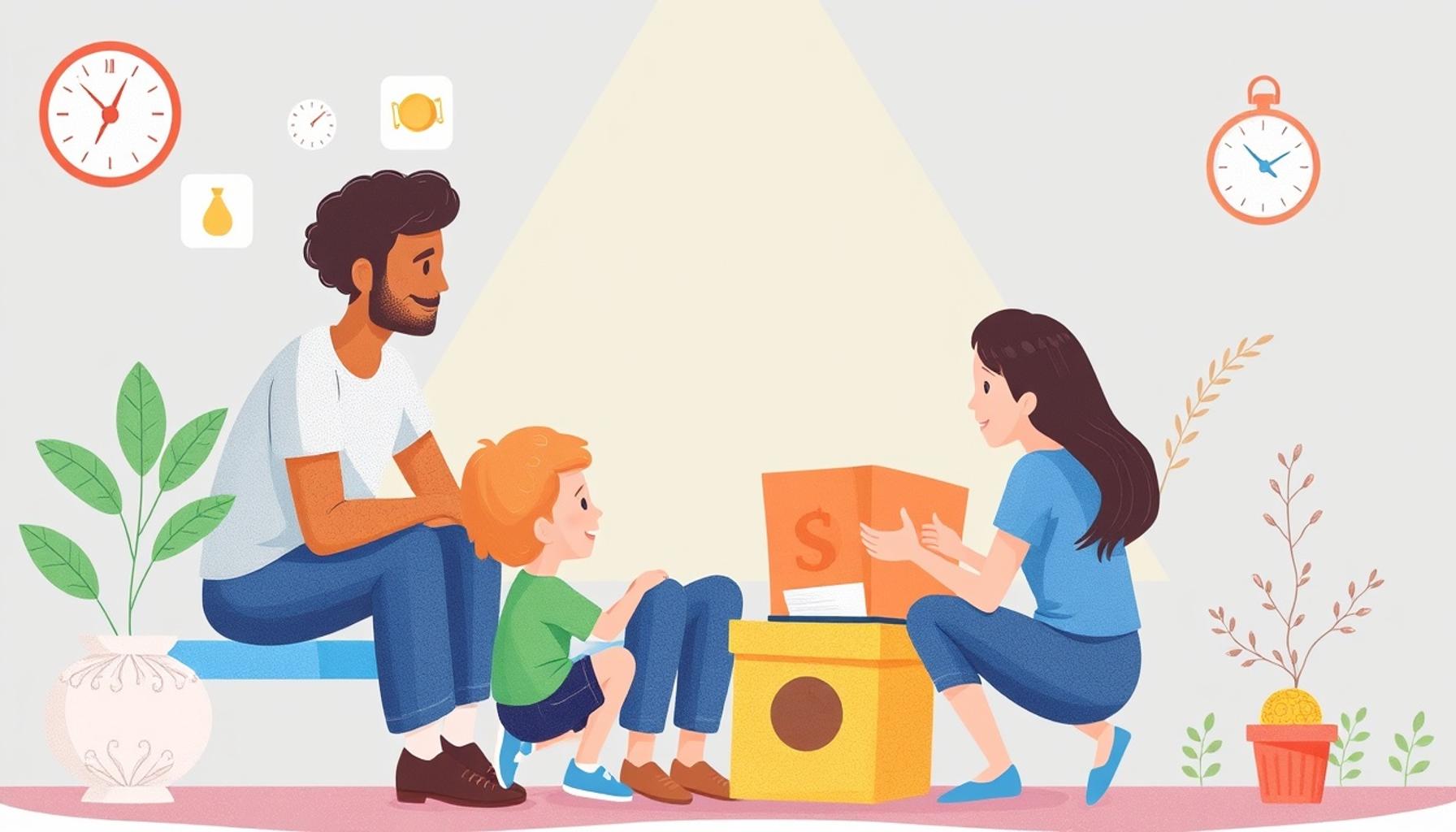
The Benefits of Minimalism for Modern Families
In the whirlwind of contemporary family life, the constant barrage of possessions, obligations, and distractions can leave many feeling drained. Adopting a minimalist lifestyle offers not only a possible solution to the chaos but also a pathway to deeper connections among family members. Minimalism goes beyond simply decluttering — it is about living with purpose and being mindful of how we allocate our time, energy, and resources.
Transitioning towards a minimalist lifestyle can significantly benefit both parents and children, fostering a deeper appreciation for life’s simple pleasures. Here are key aspects to ponder when beginning this transformation:
- Decluttering: Involve your children directly in the decluttering process. Turn it into an engaging family activity by organizing a “toy swap” or a “giveaway day” where they can choose toys to donate to less fortunate kids. This cultivates a sense of responsibility and empathy in children while simultaneously cleaning your living space.
- Mindful Consumption: Encourage your children to adopt a more intentional approach to consumption. Before making a purchase, have discussions that prompt them to evaluate whether the item is truly necessary or whether they already possess something similar. Questions like, “How will this add value to our lives?” can foster critical thinking and help cultivate a habit of mindful spending.
- Quality Time: Shift the focus from material possessions to experiences. Plan regular family activities that prioritize quality time, such as hiking, biking, or cooking meals together. Research shows that shared experiences can strengthen family bonds and create enduring memories far more than any purchased item could.
By embracing these principles, families can create a harmonious environment that promotes creativity, empathy, and resilience among all members. Children raised in minimalist homes often develop a greater appreciation for what they have and demonstrate reduced stress levels. They learn to value relationships and experiences over material goods, fostering a sense of gratitude that can extend throughout their lives.
As you explore the journey of simplifying your family life, consider practical steps such as setting aside a weekend for family decluttering sessions, creating a family mission statement that aligns with minimalist values, and implementing a “no spend” challenge for a month to encourage thoughtful spending habits. With each small step, your family can enjoy a newfound sense of clarity and joy in their daily activities, further reinforcing the importance of what truly matters in life. Embrace simplicity, and watch as your family transforms together.
DIVE DEEPER: Click here to discover essential tips for decluttering and organizing your space
Practical Strategies for Embracing Minimalism with Children
Embarking on the journey toward a minimalist lifestyle requires not just a shift in mindset, but also practical steps that can seamlessly integrate simplicity into family life. For families, this means making decisions that honor both the needs of parents and the developmental growth of children. Here are some actionable strategies to consider:
- Establish Zones: Create designated areas within your home for different activities, such as reading, art, or play. By organizing spaces intentionally, children will understand where certain activities occur and feel encouraged to keep those areas tidy. For instance, a colorful reading corner can draw kids into the world of books while simultaneously fostering a sense of ownership over that space.
- Practice the One-In-One-Out Rule: Introduce a simple rule to your family’s buying habits: when a new item comes in, an old one must go out. This can be particularly effective with toys and clothes. Children can help choose which items to remove, cultivating decision-making skills and awareness of their possessions. Over time, this practice creates a mindset focused on quality over quantity.
- Encourage Creativity with Less: Equip your children with a limited number of toys or craft supplies to spark imaginative play. Fewer options can lead to more creative problem-solving and storytelling. For example, providing a small set of building blocks can inspire hours of open-ended play compared to overwhelming them with many different toys that may go ignored.
- Teach the Value of Experiences: Foster an understanding that experiences can hold more value than physical items. Consider planning family outings that focus on community events, nature walks, or cultural experiences. Incorporating educational trips to museums or local farms enhances knowledge and togetherness while steering attention away from consumerism.
- Set Family Goals: Together as a family, create goals that align with your minimalist ethos. Whether this means reducing screen time, planning a weekend adventure, or committing to a monthly community service project, working towards shared objectives can strengthen bonds and direct attention to what truly matters, apart from possessions.
These strategies not only pave the way for a minimalistic lifestyle, but they also serve to engage children in the process of reevaluating what is essential in their lives. Implementing such practices teaches kids valuable life skills like decision-making, organization, and responsibility. Moreover, it lays the groundwork for lifelong habits of simplicity and gratitude.
As families embark on this journey, it’s vital to remember that a shift to minimalism is not solely about reducing items but fostering an overall culture of mindfulness and appreciation. By consistently involving kids in discussions about possessions and experiences, families can nurture a collective mindset that values meaningful interactions over material accumulation.
Creating a Minimalist Home Environment
One of the core principles of simple living is transforming your living space into a minimalist sanctuary. When decluttering, try involving your children in the process. Not only does this teach responsibility, but it also instills a sense of ownership. Start by focusing on one room at a time. Ask your kids to choose their favorite toys or items to keep, and let go of those that they no longer use. This act of letting go can be a valuable lesson about the value of mindful consumption.Storage solutions are another integral part of cultivating minimalism with kids. Opt for multifunctional furniture, like storage benches or ottomans, which can hide away clutter while also serving a purpose. Visible and accessible storage systems empower children to maintain their spaces. Additionally, labeling bins or shelves can make organizing fun and encourage children to take an active role in their play areas.
Embracing Experiences Over Things
Minimalist living isn’t solely about decluttering—it’s also about shifting your family’s focus from acquiring material possessions to cherishing experiences. Research shows that families who prioritize quality time together often enjoy stronger relationships. Plan regular family outings, such as nature hikes, picnics, or visits to museums, which foster deeper connections and memories without the need for physical items.Encourage children to partake in hobbies that promote creativity and learning rather than simply acquiring toys. Art supplies, a musical instrument, or even nature exploration kits can cultivate a lifelong love for discovery. By fostering a culture of experiential learning, children learn the importance of valuing what truly matters.By introducing these strategies, families can embark on a fulfilling journey toward minimalism that enriches their lives and nourishes their relationships.
DIVE DEEPER: Click here for essential decluttering tips
Incorporating Minimalism into Family Routines
While the concept of minimalism can seem overwhelming at first, integrating it into daily routines can be a gradual process that brings added joy and peace to family life. By fostering habits that prioritize simplicity, families can create an environment that nurtures connection and mindfulness. Here are some effective ways to weave minimalism into everyday family practices:
- Declutter Together Regularly: Set aside time each month for a family decluttering session. Whether it’s clothes, toys, or books, involving kids in the process allows them to experience the tangible benefits of reducing clutter firsthand. Teach children how to identify what they use and what they can let go of, promoting self-reflection and mindful consumption.
- Mindful Meal Planning: Simplify family meals by planning weekly menus together, involving kids in the culinary process. Cook together using a limited selection of fresh ingredients, focusing on healthy, whole foods. This practice not only encourages healthier eating habits but also reduces the overwhelm of food choice in your kitchen, fostering awareness of portion sizes and nutrition as the family prepares and enjoys the meals together.
- Create Tech-Free Zones: Establish areas in your home where technology is not allowed, such as the dining room or a designated family space. This encourages more face-to-face interactions and ensures that quality time is spent connecting without the distractions of screens. Regular “tech-free” evenings can be a fun challenge for families, leading to board games, storytelling, or even crafting sessions that enhance family bonds.
- Establish a Family “Want” List: Instead of instant gratification when a desire for a new toy or game arises, create a “want” list. Encourage kids to wait a few weeks before revisiting these interests. This practice teaches delayed gratification, helps children understand the difference between needs and wants, and reduces impulse-driven consumption.
- Limit Extracurricular Activities: While it’s important for children to have enriching experiences, spreading their schedules too thin can lead to stress and burnout. Encourage your family to choose a few activities that truly resonate with your values and interests. Focusing on quality rather than quantity in extracurriculars fosters deeper engagement and appreciation for the experiences chosen.
Integrating these minimalist practices into family routines encourages conscious decision-making and strengthens family ties. Children will begin to understand the value of simplicity not only in material possessions but also in how they spend their time and energy. Harmonizing daily life with a minimalist philosophy fosters a supportive environment where family interactions thrive on presence rather than possessions.
Moreover, as families adopt these practices, it opens avenues for conversations about sustainability and the impact of consumer culture. Engaging children in discussions about the importance of mindful consumption helps cultivate a sense of responsibility, ensuring that they are not just passive consumers but informed stewards of their environment.
By embracing these lifestyle changes, families not only create a more organized and focused home environment but also instill in their children the importance of living thoughtfully and valuing experiences that enrich their lives.
DIVE DEEPER: Click here for essential tips on decluttering and organizing
Conclusion: Embracing the Joy of Simple Living
In a world that often glorifies excess and consumerism, simple living presents a refreshing alternative that enriches family life. By cultivating minimalism with children, families can foster a nurturing environment where simplicity reigns. The practices outlined in this article—such as regular decluttering, mindful meal planning, and establishing tech-free zones—are more than just strategies; they are stepping stones toward greater emotional well-being and connection.
As families embark on this journey, it’s imperative to remember that minimalism is not solely about reducing possessions; it’s about enhancing life experiences. By emphasizing quality over quantity, children learn to treasure moments and relationships rather than material goods. This shift in focus encourages them to develop a sense of gratitude and appreciation for what truly matters.
Moreover, incorporating discussions about sustainability and mindful consumption lays the foundation for future generations who are conscious of their impact on society and the environment. The shift towards a mindful lifestyle cultivates responsible individuals equipped to make thoughtful choices in their everyday lives.
Ultimately, adopting simple living practices empowers families to create a more intentional and fulfilling life together. As parents and children work together to simplify their surroundings and routines, they open doors to deeper connections, creativity, and a shared vision of happiness. Embrace the adventure of minimalism and watch as your family flourishes in the beauty of simplicity.