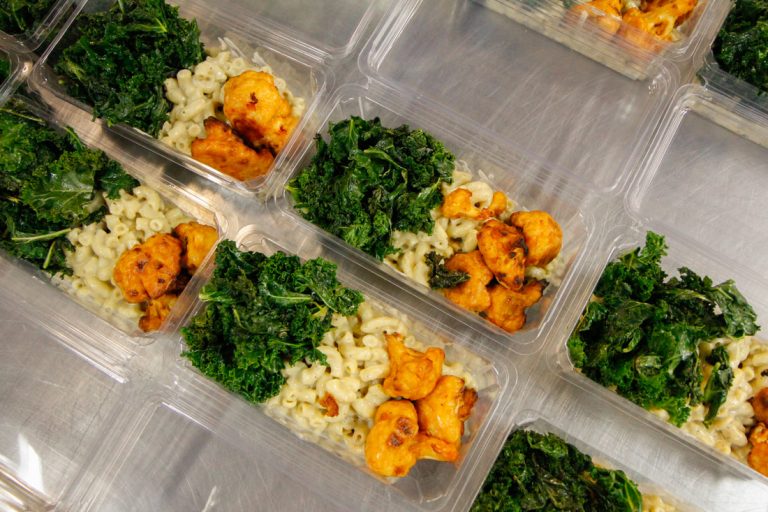

How to create an accessible weekly menu with simple ingredients
Transforming Weekly Meal Prep: A Guide to Simplicity and Efficiency
Feeling overwhelmed by the prospect of meal planning is a common sentiment among many individuals and families. The reality is that with a few strategic choices, you can create an accessible weekly menu that streamlines your cooking process and enhances your dining experience. Opting for simple, budget-friendly ingredients can significantly ease the burden of meal preparation, promoting a more enjoyable routine.
Benefits of an Accessible Weekly Menu
The advantages of organizing your meals are numerous and impactful. One primary benefit is that it saves time and reduces stress during the hectic work week, allowing you to focus precious time on your family or personal interests instead of scrambling to figure out dinner each night. Planning meals in advance can optimize your grocery shopping and help you avoid those last-minute takeout orders that often disrupt both your budget and health goals.
Moreover, meal planning encourages healthier eating. By making room for a variety of foods, including colorful vegetables, whole grains, and lean proteins, you can ensure a balanced diet for yourself and your loved ones. For instance, incorporating seasonal produce not only freshens up your menu but often comes at a lower cost.
Another significant advantage is that it reduces food waste. By purchasing only the ingredients you need and planning meals around them, you are less likely to let food spoil neglected in the refrigerator. For example, if you buy a bunch of kale for a salad, consider integrating it into a soup or smoothie later in the week.
Key Elements of an Effective Meal Plan
To create a successful weekly menu, several essential elements should be considered. First and foremost, focus on simple ingredients like rice, beans, pasta, and seasonal produce. These staples serve as the foundation for countless meals. For example, brown rice can be paired with steamed vegetables and grilled chicken for one dinner, while the leftovers can become a delicious stir-fry with soy sauce and sesame oil the next day.
Secondly, flavor variety is crucial. Incorporating herbs and spices such as basil, cumin, or garlic can drastically elevate your dishes without complicating the cooking process. For instance, a basic tomato sauce can transform into a flavorful arrabbiata with just the addition of red pepper flakes and dried oregano, adding excitement to your weekly menu.
Lastly, aim for meal versatility by selecting ingredients that can be utilized in several dishes. Meats or vegetables that can be roasted on a Sunday can then be repurposed for wraps, salads, or grain bowls during the week, maximizing the use of your grocery haul.
With thoughtful planning and creativity, crafting a weekly menu can become a rewarding endeavor. This guide not only aims to help you streamline your meal prep but also encourages you to explore and appreciate simple yet flavorful cooking. Whether you’re a busy parent, a student managing a tight budget, or just someone looking to make dining more exciting, a structured meal plan will allow you to embrace a nourishing and fulfilling culinary lifestyle.
DISCOVER: Click here for a quick and delicious banana bread recipe!
Building Your Weekly Menu: Strategies for Simplicity
As you embark on the journey of creating an accessible weekly menu, it’s essential to focus on a balance of simplicity and variety to maintain excitement at the dinner table while keeping preparation straightforward. The following strategies will guide you in building a menu that caters to your tastes, fits your schedule, and remains budget-friendly, all while using simple ingredients.
Start with a Themed Approach
One of the most effective ways to simplify meal planning is by adopting a themed approach to your week. Consider dedicating specific nights to certain types of meals, which can streamline decision-making and make grocery shopping more efficient. Here are some themes you might find useful:
- Meatless Mondays: A perfect way to include plant-based meals; try options like vegetable stir-fry over quinoa or a hearty lentil soup.
- Taco Tuesdays: Use corn tortillas, beans, and leftover proteins to create quick and satisfying tacos, topped with fresh salsa and veggies.
- One-Pan Wednesdays: Focus on roasting a combination of proteins and vegetables in the oven for a minimal-cleanup dinner option. Consider using chicken, sweet potatoes, and broccoli for a nutritious meal.
- Throwback Thursdays: Revisit classic comfort foods, such as spaghetti and meatballs or homemade mac and cheese, using simple ingredients that are readily available.
- Fend for Yourself Fridays: Encourage creativity by allowing family members to assemble their meals from the week’s leftovers or pantry staples.
This weekly structure will not only help you remain organized but also infuses a sense of anticipation as family members look forward to each themed night. It’s a strategy that cuts through the indecision and allows for creativity while reusing available ingredients.
Mastering Ingredient Rotation
Another key to creating an accessible weekly menu is mastering ingredient rotation. Investing in a few versatile staples can make a world of difference. Here are recommendations for ingredients that work well across various meals:
- Grains: Brown rice, quinoa, and whole wheat pasta serve as excellent bases for different dishes and can easily be flavored to suit any palate.
- Proteins: Incorporate chicken, eggs, and canned beans for quick protein sources. You may prep grilled chicken at the beginning of the week to use in salads or sandwiches.
- Vegetables: Select seasonal produce, like bell peppers, zucchini, or leafy greens, which can enhance nearly any dish while being budget-friendly.
- Fruits: Stock up on versatile fruits such as bananas, apples, and oranges, which can be enjoyed as snacks or added to breakfasts.
By rotating these ingredients throughout the week, you can easily create various dishes while minimizing waste and avoiding monotony.
As you refine your meal prep strategy, remember that simplicity doesn’t equate to bland. By implementing a thematic approach and mastering ingredient rotation, you can assemble a menu that caters to both your schedule and taste without the unnecessary complexities that often accompany meal planning.
| Category | Advantages |
|---|---|
| Cost-Effectiveness | Using simple ingredients can significantly reduce grocery expenses while still providing nutritious meals. |
| Health Benefits | Choosing whole foods encourages a balanced diet, contributing to better health and well-being. |
| Ease of Preparation | With a focus on accessible ingredients, meals can be prepared quickly, saving precious time in a busy schedule. |
| Flexibility | A simple weekly menu allows adjustments based on seasonal availability and personal preferences. |
When it comes to crafting a weekly menu that is both accessible and straightforward, the ability to pivot is crucial. By focusing on simple ingredients that are commonly found in local grocery stores or farmers’ markets, anyone can create a versatile meal plan that caters to their dietary needs and preferences. Imagine transforming basic ingredients like rice, beans, and seasonal vegetables into diverse and delicious meals throughout the week. Moreover, involving family members in the meal planning process can inspire collaborative cooking experiences, making meals more enjoyable. Always aim for incorporating a well-rounded mix of proteins, grains, and vegetables in your recipes. This not only enhances nutritional value but also introduces variety, reducing the risk of mealtime monotony while ensuring that every dish is palatable and fulfilling.Incorporating these principles into your menu planning can help you take decisive steps toward achieving culinary convenience with nutritious outcomes that fit your lifestyle.
DON’T MISS: Click here for budget-friendly baking ideas
Enhancing Your Weekly Menu: Practical Tips and Inspiring Ideas
As you refine your approach to building an accessible weekly menu, paying attention to preparation techniques and meal versatility can further elevate your dining experience. Here, we uncover practical tips and inspiring ideas to assist you in creating delicious meals that are both satisfying and easy to assemble.
Incorporate Batch Cooking
Batch cooking is a game-changer when it comes to simplifying your weekly meal prep. By dedicating a few hours on the weekend, you can create a variety of dishes that only require reheating during the week. This approach not only saves time but also reduces the temptation to opt for less healthy take-out options on busy nights. Consider the following ideas:
- Soup and Stews: Cooking a large pot of soup or stew can yield multiple servings and be easily frozen for later use. Try a chunky vegetable and bean chili, which is packed with protein and flavor.
- Grains and Legumes: Cook a large batch of brown rice or quinoa to serve as the foundation for your meals throughout the week. Combine with sautéed vegetables for a quick stir-fry.
- Proteins: Prepare grilled chicken, roasted chickpeas, or baked tofu ahead of time. These proteins can be added to salads, wraps, or grain bowls with minimal effort.
Not only does batch cooking streamline your week, but it also allows you to introduce a variety of flavors and nutrients into your diet with ease.
Utilize Leftover Ingredients Creatively
When aiming for an accessible weekly menu, making the most of what you have in your kitchen can further cut food costs and promote sustainability. Leftovers can be transformed into brand new meals. Here are some innovative ideas:
- Stir-Fries: Leftover proteins and vegetables can be quickly tossed into a sizzling pan with soy sauce or teriyaki sauce, creating a simple stir-fry served over rice or noodles.
- Frittatas: Use bits of your leftover veggies and proteins in a frittata that can serve as breakfast, lunch, or dinner. Pair it with a side salad for a complete meal.
- Wraps and Sandwiches: Transform leftover grilled chicken or roasted veggies into a delicious wrap with hummus or avocado spread.
By thinking outside the box, you can minimize food waste and enjoy flavorful meals throughout the week.
Incorporate Seasonal Ingredients
Utilizing seasonal ingredients not only enhances flavor but also keeps your grocery bill in check. With the diverse farming regions across the United States, you can find fresh produce that is both affordable and plentiful during different seasons. For instance:
- Spring: Embrace asparagus, peas, and radishes that can add a fresh touch to salads and pasta dishes.
- Summer: Take advantage of tomatoes, zucchini, and bell peppers to create vibrant stir-fries and salsa.
- Fall: Incorporate squash varieties and root vegetables into roasted dishes or hearty stews.
- Winter: Utilize hearty greens like kale and cabbage that are robust enough to last longer in your fridge.
By prioritizing seasonal produce, you’ll benefit from ingredients that are at their peak flavor, making your meals more nutritious and enjoyable.
By incorporating batch cooking, utilizing leftovers creatively, and embracing seasonal ingredients, you can craft an accessible weekly menu that tantalizes the taste buds while simplifying your kitchen routine. Keep experimenting with flavors and presentation to discover new favorites along the way. Your culinary adventure awaits!
TAKE A PEEK: Click here for delicious lunch inspirations
Conclusion: Crafting Your Accessible Weekly Menu
In today’s fast-paced world, having an accessible weekly menu filled with simple ingredients can revolutionize your cooking experience. By adopting strategies like batch cooking, you not only save time but also create meals that nourish both body and soul. Emphasizing the use of leftovers creatively allows for resourcefulness in the kitchen, reducing waste while maximizing flavor. Furthermore, tapping into seasonal ingredients not only enhances your meals with freshness and taste but also keeps your grocery budget in check.
As you embark on your culinary journey to build a weekly menu, remember that flexibility is key. Be open to experimenting with new dishes, cooking methods, and flavor combinations. This willingness to try different ideas will keep your meals exciting, ensuring that you look forward to dinner each night. Moreover, embracing simplicity in ingredients does not mean sacrificing taste; rather, it fosters a deeper appreciation for each component of your meals.
Finally, staying mindful of nutritional values and balanced meals will further enrich your dining experiences. Consider keeping a few must-have pantry staples on hand to help you whip up quick and healthy dishes at a moment’s notice. With these principles in mind, you are well on your way to creating a weekly menu that is not only accessible but also a delightful showcase of your culinary creativity. So, gather your ingredients, ignite your imagination, and let the magic of accessible meal planning delight you and your loved ones this week!