
How to Make Affordable and Nutritious Vegetarian Meals
Understanding the Benefits of Vegetarian Meals
In recent years, a growing number of people have shifted to vegetarian diets. This is often due to concerns about health, the environment, and animal welfare. However, many believe that eating vegetarian means sacrificing flavor, nutrition, and budget-friendliness. This notion couldn’t be further from reality. With a little creativity and planning, affordable and nutritious vegetarian meals are accessible for everyone.
One fundamental aspect of crafting delicious vegetarian dishes is using fresh ingredients. Fruits and vegetables that are in-season not only taste better but are also typically less expensive. For example, local farmers’ markets often offer fresh produce at a fraction of supermarket prices. Seasonal ingredients like tomatoes in summer or squash in fall can elevate a simple dish while keeping costs low. Consider exploring community-supported agriculture (CSA) programs, which provide a weekly box of seasonal produce directly from local farms.
In addition to fresh produce, incorporating plant-based proteins should be a priority. These can be found in affordable sources such as beans, lentils, and tofu. For instance, a pound of dry lentils costs roughly $1.50 and yields about six servings. Lentils are not only high in protein but also provide vital nutrients such as iron and fiber. Similarly, canned beans are a pantry staple that can be used in various recipes including vegetarian chili, salads, or black bean burgers. Tofu, versatile and often overlooked, can be sautéed, grilled, or added to soups, making it a valuable ingredient for creating rich and satisfying meals.
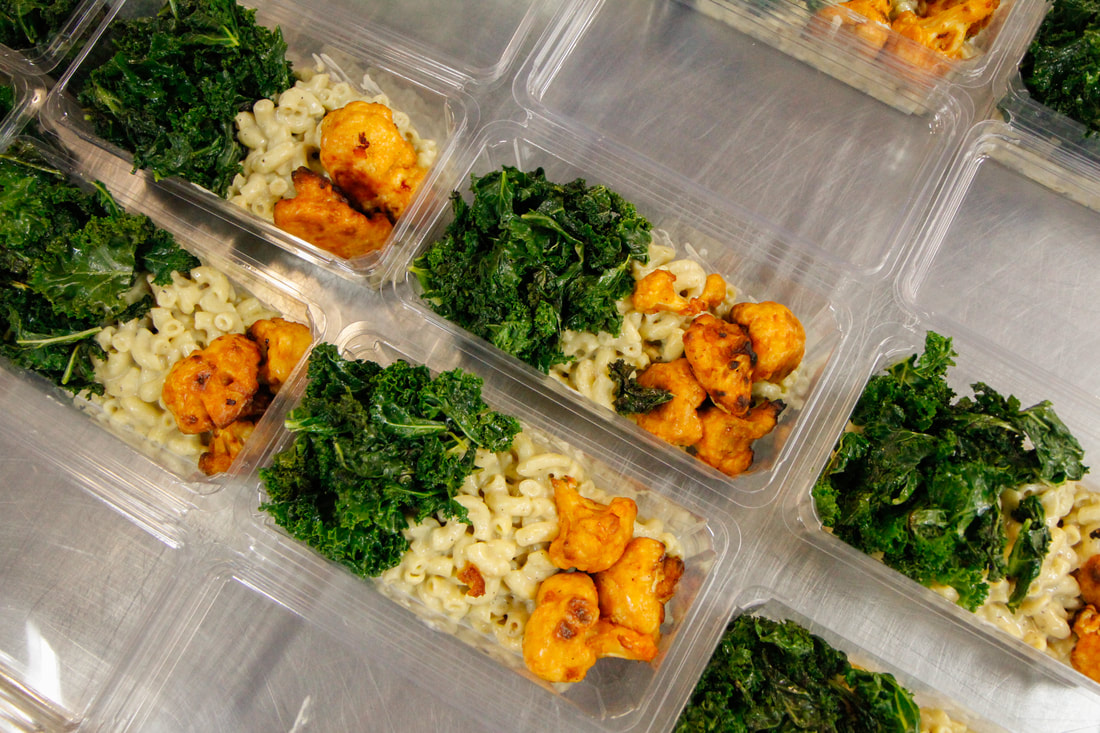
Meal prepping is another effective strategy that can lead to significant savings. By dedicating just a few hours each week to prepare meals in advance, you not only save time during busy weekdays but also prevent impulse purchases of less healthy options. Consider batch cooking staples like quinoa or rice, while simultaneously roasting a mix of vegetables. Then, store these components separately in the refrigerator. This method allows for endless combinations to keep your meals exciting and varied throughout the week.
The world of vegetarian recipes is vast and inviting. From hearty lentil stews to vibrant grain bowls, the possibilities are endless. Even traditional favorites can be reimagined; for example, try making vegetarian lasagna using layers of roasted vegetables combined with a creamy ricotta cheese mixture. The culinary offerings can suit any occasion—be it a family dinner or meal prep for the week ahead.
As you delve into the world of vegetarian cooking, you’ll discover that nutrition doesn’t have to come at a high price. Eating a balanced vegetarian diet can greatly reduce your carbon footprint and contribute positively to overall environmental health. Embracing these principles can lead to a rewarding experience—both for your personal health and for the planet—making vegetarian cooking not just a meal choice, but a lifestyle change that is fulfilling and sustainable.
DISCOVER MORE: Click here for easy one-pot dinner ideas
Maximizing Flavor and Nutrition on a Budget
When it comes to making affordable and nutritious vegetarian meals, understanding how to maximize flavor and nutrition while keeping costs low is key. A common misconception is that vegetarian cooking requires expensive superfoods and specialty ingredients. In reality, many nutrient-rich foods can be found at a low price, especially when sourced wisely.
Start by incorporating a variety of whole grains into your meals. Grains like brown rice, quinoa, bulgur, and whole wheat pasta are not only filling but also provide essential nutrients such as B vitamins, iron, and fiber. Purchasing these grains in bulk can offer substantial savings compared to buying pre-packaged items. Additionally, grains serve as a base for countless dishes, offering versatility in flavors and textures.
To further enhance the affordability of your vegetarian meals, consider these time-tested pantry staples that can be utilized in countless recipes:
- Rice and Quinoa: Gluten-free options that can act as the backbone of many dishes.
- Canned Tomatoes: A flavorful addition to soups, sauces, and stews, providing a rich base without breaking the bank.
- Nut Butters: Nutritious and protein-packed, ideal for smoothies, spreads, or adding creaminess to sauces.
- Frozen Vegetables: A budget-friendly way to have nutritious vegetables on hand that won’t spoil quickly.
- Spices and Herbs: Dried spices have long shelf lives and can transform even the simplest of meals into something extraordinary.
Another significant factor in creating nutritious meals is the use of legumes. Beans, lentils, and chickpeas are protein powerhouses that are inexpensive and can be used in a multitude of ways. Preparing meals centered around legumes not only enhances the nutritional profile but also helps stretch your grocery budget. For instance, a hearty bean stew can feed the entire family for just a few dollars, whereas a serving of meat may cost significantly more for equivalent protein content.
By leveraging these affordable ingredients, you can create meals that are both satisfying and packed with essential nutrients. Understanding the fundamentals of meal balance—incorporating proteins, healthy fats, and carbohydrates—will also support your journey towards nutritious vegetarian cooking. Instead of solely relying on processed vegetarian alternatives like veggie burgers or meat substitutes, embracing the simplicity of whole foods will not only elevate your cooking but will also promote overall health and wellness.
Ultimately, the beauty of vegetarian cooking lies in its versatility. With a few key ingredients and a bit of creativity, you can whip up nutritious meals that are diverse and exciting. Whether you’re planning a quick weeknight dinner or an elaborate weekend feast, these principles will guide you in making satisfying meals that are easy on the wallet.
How to Make Affordable and Nutritious Vegetarian Meals
As we delve deeper into the art of crafting affordable and nutritious vegetarian meals, it’s essential to explore the myriad options available. By understanding various categories of ingredients and meal types, you can optimize both your budget and health. Below is a table that highlights key categories related to making vegetarian meals that are both cost-effective and beneficial for your well-being.
| Category | Details |
|---|---|
| Affordable Ingredients | Utilizing beans, lentils, and seasonal vegetables can dramatically lower meal costs. |
| Nutritional Value | Packed with protein, vitamins, and minerals, vegetarian meals support overall health. |
Incorporating affordable ingredients like legumes and fresh produce not only keeps costs manageable but enhances the nutritional profile of your meals. Low-cost options provide a canvas for flavorful and diverse dishes. This approach not only promotes sustainable eating habits but also encourages creativity in the kitchen. Consider experimenting with flavors and textures to elevate your vegetarian cooking experience. By focusing on these key categories, you can develop practices that make healthy eating accessible and enjoyable.
DISCOVER MORE: Click here for tasty lunch ideas
Incorporating Seasonal and Local Produce
One of the most effective strategies for creating affordable and nutritious vegetarian meals lies in utilizing seasonal and locally sourced produce. Shopping at farmer’s markets or local grocery stores not only supports your community but can also significantly reduce costs. Seasonal fruits and vegetables are often fresher, tastier, and more nutrient-dense because they are harvested at their peak. Plus, when the supply is high, prices naturally drop.
In the United States, seasonal produce varies by region, but some staples can be found across most states. For example, root vegetables like carrots, potatoes, and sweet potatoes are abundant in the fall and winter months, providing versatile options for soups, stews, and baked dishes. In the spring and summer, leafy greens such as spinach, kale, and Swiss chard come into play, ideal for salads and stir-fries.
Additionally, leveraging community-supported agriculture (CSA) programs can offer a fantastic way to access affordable vegetables. By purchasing a share in a local farm, households can receive a weekly box of fresh produce at a lower price than shopping retail. Moreover, this encourages exploration in cooking, inspiring creativity as members navigate the variety of items they receive.
Smart Cooking Techniques to Maximize Nutrition
Another aspect of making nutritious vegetarian meals without overspending is utilizing smart cooking techniques. Efficient methods such as batch cooking and meal prep allow you to make the most of your ingredients while saving both time and money. When you prepare larger quantities of meals, you can portion them out for the week, which minimizes waste and reduces the temptation to spend on takeout.
Consider investing in a slow cooker or instant pot, which can turn budget-friendly ingredients like beans and grains into wholesome dishes with minimal effort. For example, a simple lentil soup can be cooked in batch, requiring minimal preparation time and yielding several servings. Pair it with homemade bread using affordable flour and you have a satisfying meal for just a few dollars.
- Stir-frying: This method allows for quick cooking and brings out maximum flavor while preserving vitamins in vegetables.
- Roasting: A great way to enhance the natural sweetness of vegetables. Toss seasonal veggies with olive oil and herbs for a flavorful side.
- Blanching and freezing: Preserve the freshness of seasonal produce by blanching and freezing them for later use in soups, casseroles, or smoothies.
Moreover, being aware of portion sizes can help in managing food costs and maintaining nutritional goals. Meals can be structured around the plate method, where half the plate consists of vegetables, a quarter of the plate is filled with whole grains, and the final quarter is dedicated to protein, typically provided by legumes or whole grains. This balance not only assures nutritional adequacy but also encourages moderation in serving sizes.
As you explore the world of vegetarian cooking on a budget, don’t hesitate to embrace your culinary curiosity. Keep experimenting with flavors and textures using available ingredients. The beauty of creating affordable and nutritious vegetarian meals is in the endless possibilities that emerge from simple, fresh ingredients. Happy cooking!
CHECK OUT: Click here for delicious lunch ideas on a budget!
Final Thoughts on Affordable and Nutritious Vegetarian Meals
In conclusion, navigating the world of affordable and nutritious vegetarian meals is both accessible and rewarding. By embracing local and seasonal produce, you not only support your community but also enjoy fresher ingredients that are more budget-friendly. The tips discussed, such as participating in community-supported agriculture (CSA) programs and utilizing smart cooking techniques like batch cooking and meal prep, empower you to create delicious meals while saving time and money.
It’s essential to remember that healthy eating does not have to come at a premium. Incorporating diverse ingredients, from protein-rich legumes to vibrant vegetables, gives way to creativity in the kitchen. Experimenting with cooking methods—from stirring and roasting to blanching—can elevate the nutritional value of your meals while leveraging the affordability of whole foods.
Ultimately, as you explore the myriad flavors and textures available in vegetarian cooking, you will discover a universe of choices that promote wellness and sustainability. Adjusting portion sizes and understanding the balance of your plate can further enhance both diet and health. So grab your apron, explore the aisles of your local market, and let your culinary journey unfold. With every recipe you conquer, not only are you fostering health—you’re also nurturing a planet-friendly lifestyle.
Happy cooking, and enjoy the delicious possibilities of wholesome vegetarian meals!