
Zen Spaces: Creating Calm and Functional Environments through Minimalism
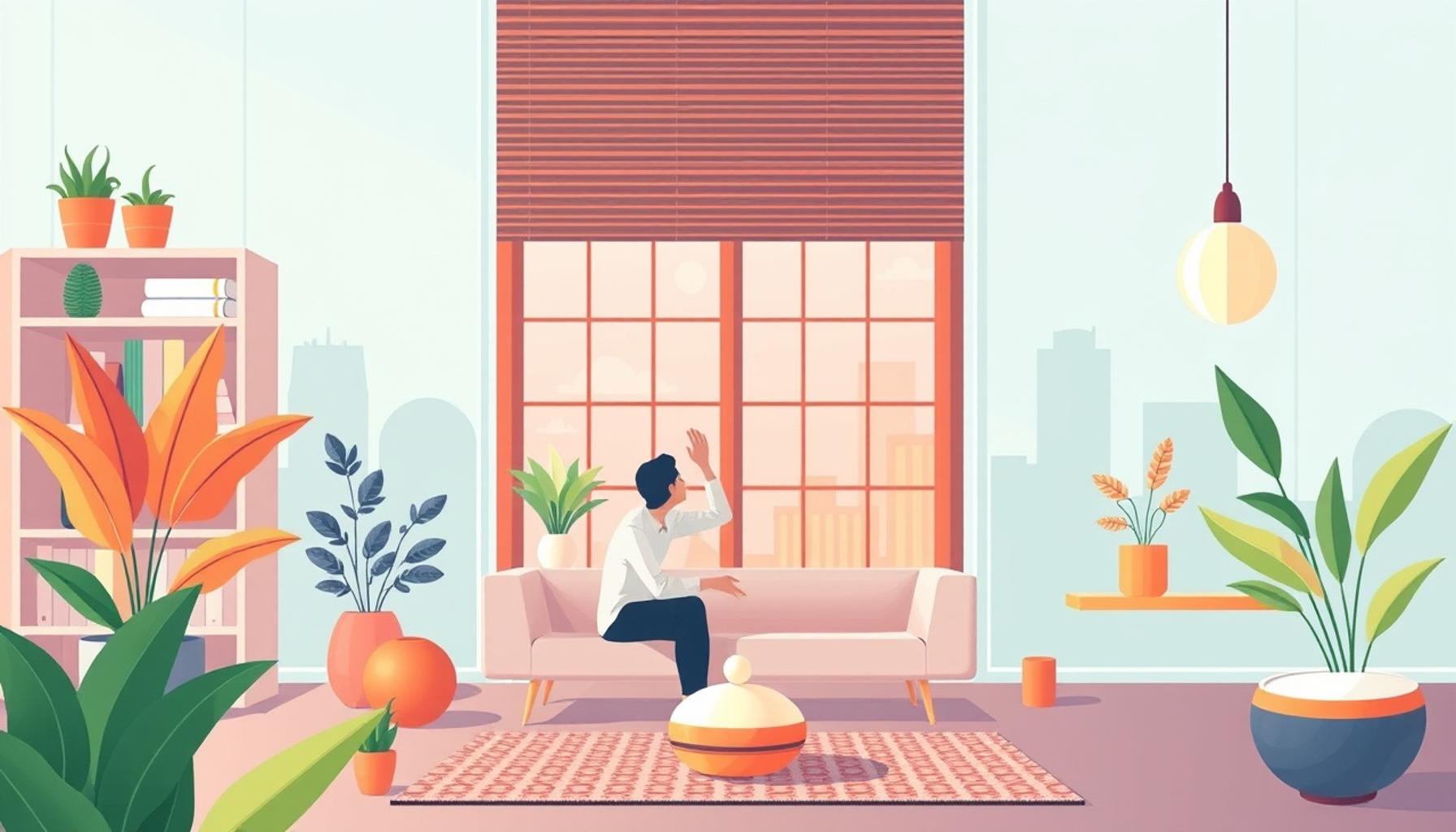
Discover the Beauty of Zen Spaces
In a world filled with chaos and constant stimulation, the concept of Zen spaces emerges as an inviting retreat. These carefully curated environments embody tranquility and functionality by adhering to the principles of minimalism. By intentionally stripping away the non-essential elements, we create areas that nurture peace, clarity, and mental health, allowing for a reprieve from our fast-paced lives.
Why Choose a Zen Space?
Creating a Zen space offers numerous advantages that can profoundly impact your overall wellbeing. Here are some key benefits:
- Reduces stress: A decluttered space often leads to a decluttered mind. Research has shown that an organized environment can significantly lower stress levels, facilitating relaxation and improving mood.
- Enhances focus: In a minimalist environment, minimal distractions are an inherent part, thereby improving concentration on tasks, whether it be work, study, or mindfulness practices.
- Promotes creativity: A serene atmosphere sparks inspiration. Breathe easier in a calm environment that fosters new ideas and perspectives, essential for artists, writers, and innovators.
Implementing minimalist design principles can effectively transform any room into a personal sanctuary. Here are some essential elements to consider:
- Natural light: Large windows or strategically placed mirrors can amplify sunlight, enhancing mood and reducing feelings of confinement. Studies have shown that exposure to natural light improves productivity and emotional wellbeing.
- Neutral color palettes: Calming shades such as soft whites, earthy tones, and gentle pastels create a serene atmosphere conducive to relaxation. These colors help in reducing tension and anxiety, making them ideal for bedrooms and meditation spaces.
- Functional furniture: Opt for furniture that serves multiple purposes—think ottomans with storage, foldable desks, and lightweight items that can easily be moved to adapt to different activities. This reduces clutter while maximizing utility.
As you embark on the transformative journey of creating your Zen space, you’ll unlock the immense power of simplicity. This exploration not only redefines your living environment but also has a profound impact on your state of mind. You may find yourself becoming more present, more in tune with your feelings, and more attuned to your creative impulses.
With the rise of the minimalist movement across the United States, many are discovering that a streamlined lifestyle facilitates a more fulfilling existence. Investigate your surroundings, assess what truly matters, and allow your Zen space to evolve with you. Every step taken toward simplicity is a step taken toward a more peaceful life.
DISCOVER MORE: Click here for essential tips on decluttering and organizing
Elements of a True Zen Space
Designing a Zen space requires a thoughtful approach that combines aesthetics with functionality. The principles of minimalism serve as the backbone for creating serene environments that not only look appealing but also enhance mental clarity and emotional wellbeing. As you embark on this journey to cultivate your own calming space, consider several core elements that contribute to the essence of a balanced and peaceful atmosphere.
Incorporating Nature
One of the foundational aspects of Zen spaces is the connection to nature. Integrating natural elements can significantly enrich your environment, fostering a sense of tranquility. Here are some ways to weave nature into your Zen space:
- Indoor Plants: Incorporating plants such as succulents, peace lilies, or snake plants can purify the air and add a touch of greenery, promoting relaxation.
- Natural Materials: Furniture and decor made from organic materials like wood, stone, or cotton contribute to a warm and inviting space. Choose pieces that are sustainably sourced and free from artificial finishes.
- Water Features: If space allows, consider adding a small fountain or an aquarium. The sound of flowing water is inherently soothing and can create a peaceful ambiance.
Mindful Organizing
Clutter is often a significant source of stress, making mindful organizing an essential part of creating a Zen space. Here are some strategies for achieving an orderly environment:
- Declutter Regularly: Take time to assess and eliminate items that no longer serve a purpose or bring you joy. This practice not only clears physical space but also promotes mental clarity.
- Storage Solutions: Utilize closed storage options, such as boxes and baskets, to keep surfaces clear and organized. Aim for stylish, multifunctional storage that complements your decor while serving as hidden housing for personal items.
- Designated Zones: Establish specific areas for distinct activities—an area for work, meditation, or relaxation—ensuring that each zone has only what is necessary for that activity. This creates an organized and intentional flow to your space.
As you integrate these elements, remember that the ultimate goal is to create a space that resonates with calmness and functionality. The journey of developing your Zen space invites you to explore your personal aesthetic while simplifying your environment. Embracing these changes can lead to profound shifts in how you engage with your surroundings and your daily life.
The Impact of Sound
In addition to visual aesthetics, sound plays a crucial role in fostering a Zen atmosphere. By eliminating disruptive noise and introducing calming sounds, you create an immersive environment conducive to relaxation. Consider the following:
- Soft Music: Opt for instrumental or ambient music that promotes serenity, allowing for deeper focus and tranquility.
- Nature Sounds: Sound machines or apps that mimic nature’s melodies—like ocean waves or chirping birds—can help drown out distractions, encouraging mindfulness.
- Silence: Embrace periods of silence in your Zen space. It creates an opportunity to reflect and cultivate awareness of your thoughts and emotions.
With these essential elements in place, your Zen space can start to come to life. From nature-inspired designs to mindful organization and the delicate balance of sound, each aspect will contribute to a harmonious environment that promotes peace, creativity, and overall wellbeing.
Creating a Zen space extends beyond merely decluttering physical items; it involves a holistic approach that nurtures mental clarity and emotional balance. Minimalism in design advocates for a quieter visual landscape, allowing the mind to feel more at ease. The absence of visual clutter helps to reduce stress, enabling individuals to focus on what truly matters: well-being and mindfulness.The color palette plays a critical role in achieving tranquility within a Zen space. Soft, neutral tones such as whites, beiges, and gentle pastels create a soothing atmosphere. Such colors do not distract but rather promote relaxation. Complementing these hues with natural materials like wood, stone, and cotton enhances the organic feel of the environment, further grounding the space in simplicity and harmony.Incorporating natural light is another significant aspect of creating functional Zen environments. Large windows or strategically placed mirrors can reflect light, making spaces feel more open and inviting. Natural light not only serves to elevate mood but also fosters a connection between indoors and the natural world, enhancing the sense of peace throughout the home.In addition to these elements, the placement of furniture is vital. Selecting essential pieces that serve multiple functions maximizes space without compromising comfort or style. For instance, a simple bench can serve as both seating and storage, while a low table can double as a workspace or dining area. This approach not only encourages efficiency but also allows for an adaptable environment that meets different needs throughout the day.Integrating greenery into the design fosters a calming ambiance. Houseplants such as succulents, snake plants, or peace lilies not only purify the air but also add a vibrant touch to minimalist spaces. Nature serves as a gentle reminder of life and vitality, further enhancing the Zen experience.In summary, the principles of minimalism in creating Zen spaces focus on promoting peace and functionality by simplifying design, incorporating natural elements, and embracing efficient use of space. Each choice made contributes to a serene environment that encourages mindfulness and a sense of well-being. As you explore ways to incorporate these elements into your home, consider the profound impact they can have on your overall quality of life.
DISCOVER MORE: Click here to simplify your space
Mindful Design Principles
To further enhance your Zen space, embracing mindful design principles is imperative. These principles focus on creating environments that promote comfort and clarity while being aesthetically pleasing. As you explore various design strategies, consider how they contribute to the overall serenity of your personal sanctuary.
Color Psychology
The colors you choose for your Zen space can significantly influence your mood and emotional state. The concept of color psychology suggests that different shades evoke distinct feelings, making it essential to select colors that align with the calming atmosphere you seek. Here are some color options to consider:
- Soft Neutrals: Shades of beige, white, and gray serve as soothing backdrops, allowing other elements in the space to stand out while maintaining a serene ambiance.
- Earthy Tones: Greens, browns, and muted shades of blue can create a grounding effect, fostering a sense of connection with nature.
- Accent Colors: Subtle splashes of calming colors like pale yellow or soft lavender can infuse warmth and positivity without overwhelming the senses.
Lighting for Calmness
Lighting plays a pivotal role in establishing the mood of your Zen space. A well-lit environment can promote a sense of harmony, while harsh lighting can create feelings of discomfort. Here are strategies to develop proper lighting for a peaceful atmosphere:
- Natural Light: Whenever possible, maximize natural light by choosing sheer curtains or strategically placing mirrors to reflect sunlight. Sunlight has been linked to improved mood and concentration.
- Soft Light Fixtures: Incorporate warm-toned bulbs in floor lamps and pendant lights to create an inviting glow. Dimmable lights allow you to adjust brightness according to the time of day or your specific needs.
- Candlelight: The gentle flicker of candles provides a comforting ambiance that can enhance relaxation. Scented candles with calming aromas like lavender or chamomile can further elevate your experience.
Art and Personal Touches
While minimalism often advocates for fewer decorative items, incorporating art and personal touches can give your Zen space character and depth. Selecting pieces that resonate with you can transform your environment into a reflection of your journey. Consider these aspects:
- Meaningful Art: Choose artwork that inspires peace and aligns with your aesthetic, whether it’s a landscape painting, a calming photograph, or a sculpture that evokes tranquility.
- Personal Mementos: Curate a collection of items that hold sentimental value, such as travel souvenirs or gifts from loved ones. Limit these to a few key items to avoid clutter while celebrating your unique story.
- Natural Artwork: Display organic elements, like a beautifully framed leaf or botanical prints, to reinforce your connection to nature while adding interest to your space.
By thoughtfully incorporating these mindful design principles, you can elevate your Zen space from merely functional to a sanctuary of serenity. Achieving a balance between aesthetics and utility creates an inviting atmosphere that encourages relaxation, creativity, and overall well-being. The key is to remain intentional; every element should serve a purpose, whether to inspire, calm, or promote growth. This deliberate approach fosters an environment that not only embodies minimalism but also nurtures your mind and spirit.
DISCOVER MORE: Click here to learn essential tips for decluttering and organizing
Conclusion
In our fast-paced world, the pursuit of creating Zen spaces is more crucial than ever. By harnessing the principles of minimalism, we can transcend clutter and chaos, crafting environments that foster calmness and functionality. Adopting mindful design principles — from thoughtful color choices to ambient lighting — not only enhances the aesthetic appeal of our spaces but also impacts our well-being and productivity.
As you embark on your journey toward establishing your personal sanctuary, consider the power of personal touches and meaningful art. These elements transform a sterile minimalist environment into a vibrant reflection of your identity without overwhelming the senses. The key lies in intentionality; every item should serve a purpose, promoting peace and clarity around you.
Moreover, integrating natural elements into your Zen space, whether through plants or art inspired by nature, allows for a deeper connection to the outside world, reinforcing your emotional well-being. As we navigate the complexities of modern life, creating spaces that embody serenity and simplicity can significantly enhance our mental landscape, nurturing both mind and spirit.
In conclusion, the concept of Zen spaces transcends mere interior design; it’s a lifestyle choice that promotes mindfulness and tranquility. As you implement these ideas, consider the profound impact of your environment on your overall happiness and productivity. Explore, experiment, and find the balance that best suits your soul — the journey to a peaceful sanctuary awaits.