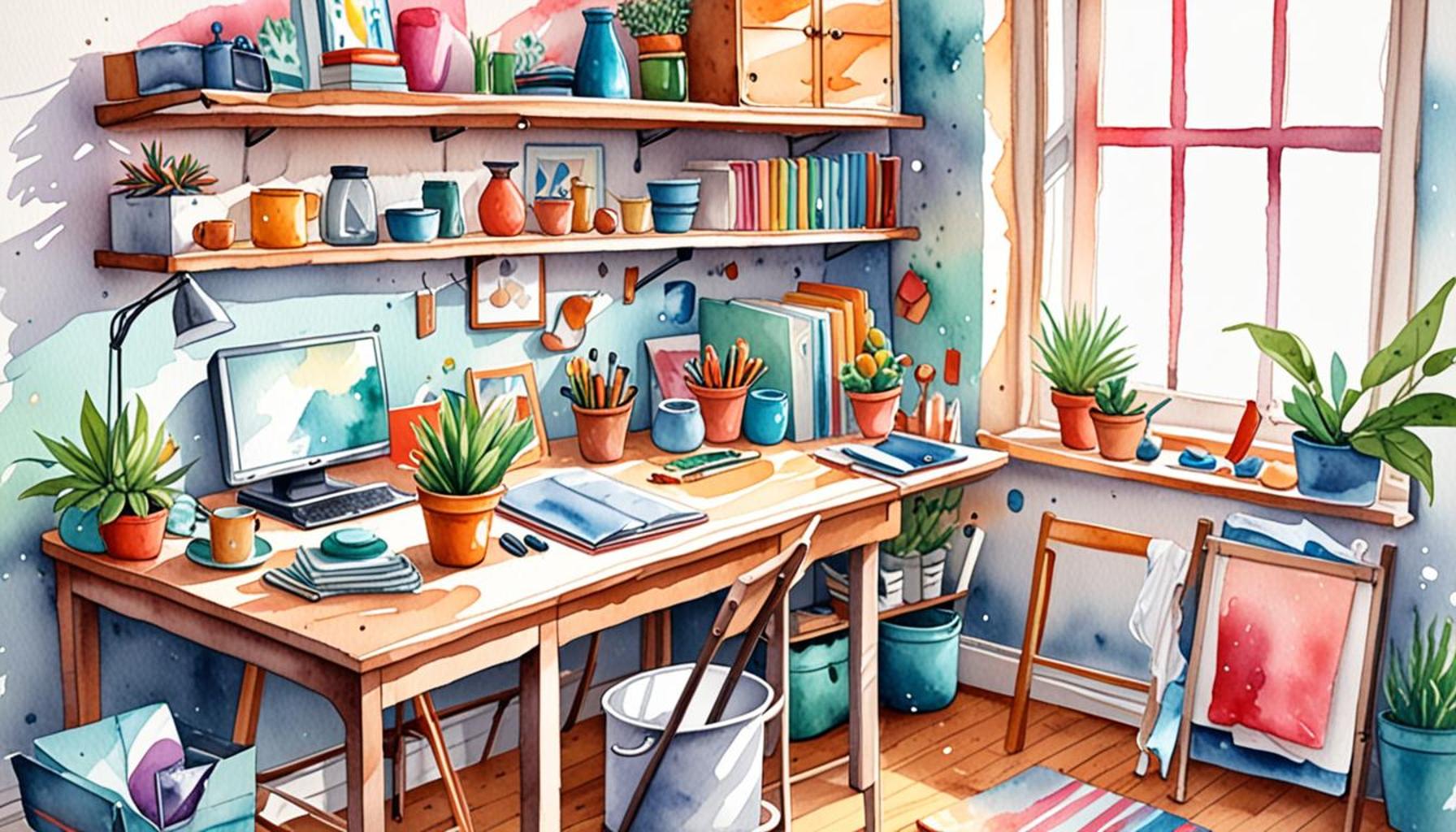
The Role of Decluttering in Reducing Daily Stress

The Psychological Burden of Clutter
While clutter may often be dismissed as a mere inconvenience, it actually plays a significant role in shaping our mental landscapes. Research indicates that living or working in a disorganized environment can contribute directly to elevated levels of anxiety and stress. The amount of physical clutter in one’s surroundings can often reflect the internal chaos one experiences, leading to a turbulent psychological state that can be hard to navigate.
The Emotional Toll of Disorder
Take, for example, a typical American household cluttered with items that no longer serve a purpose, such as old electronics, clothes that no longer fit, and miscellaneous household items that haven’t been touched in years. According to studies conducted by the National Sleep Foundation, individuals who reported living in cluttered environments also indicated that their stress and anxiety levels were heightened. Nearly 75% of individuals report feeling overwhelmed by their clutter, leading to a perpetuating cycle of procrastination and avoidance.
Benefits of Decluttering
Overcoming clutter can vastly improve mental well-being, and here are some powerful reasons why incorporating decluttering into your routine is essential:
- Creates a Sense of Control: When the environment is orderly, it can instill a sense of stability and control, particularly in times of external chaos. Having a well-organized space can lead to meaningful feelings of accomplishment and independence.
- Improves Focus: A clean space fosters better concentration, as visual distractions are minimized. For instance, students studying in tidy environments often report enhanced productivity and engagement with their studies.
- Enhances Creativity: A decluttered environment allows the mind to wander and think freely, producing new ideas and innovative solutions. Artists and writers have long recognized the value of a clean workspace for nurturing creativity.
Transforming Your Space and Mind
Many people are now beginning to see the link between physical surroundings and emotional health. As the decluttering movement gains momentum, individuals are seeking insights into how they can systematically clear their spaces and minds. Simple strategies, such as following the “one-touch rule” where you only handle an item once when organizing, or the widely recognized KonMari Method, encourage individuals to assess the value of each item they own.
By adopting these techniques, you can reclaim your physical space and, in turn, improve your mental outlook. This article will delve deeper into the transformative power of decluttering, offering practical tips and insights that can lead to a more organized, stress-free life. The journey to a more harmonious living space begins with just a single step—embracing the clutter-free lifestyle.
DISCOVER: Click here to uncover the mental health benefits of decluttering
Understanding the Connection Between Clutter and Stress
The correlation between a cluttered environment and an increase in daily stress is becoming more evident as psychological research continues to explore the impacts of our surroundings on mental health. When our spaces are filled with disorganized items, it can create an overwhelming sense of chaos that mirrors our internal feelings. This clutter not only distracts us but also consumes mental energy that could otherwise be used for more productive tasks. A disordered space can lead to a constant barrage of visual chaos, making it difficult to focus on what truly matters and increasing feelings of anxiety.
The Science Behind Clutter-Induced Stress
Numerous studies highlight the detrimental effects of clutter on psychological well-being. For instance, a 2011 study published in the journal Personality and Social Psychology Bulletin found that individuals living in cluttered homes experienced higher levels of cortisol, the stress hormone, compared to those who maintained tidy environments. Over 80% of respondents in this study reported that their homes felt chaotic and overwhelming, underscoring the profound emotional toll disorder can take.
This psychological burden is not just limited to the home. Environments such as workplaces can also contribute to stress levels. According to a survey by the National Association of Professional Organizers, approximately 54% of employees feel that workplace clutter causes them significant stress. Clear evidence suggests that excess paperwork, unused supplies, and general disorder can impede productivity and heighten anxiety among employees.
The Ripple Effects of a Decluttered Environment
Transforming a cluttered space into an organized oasis can have far-reaching effects, moving beyond mere aesthetics to offer tangible benefits for mental health. Here are some compelling ways decluttering plays a pivotal role in stress reduction:
- Reduces Decision Fatigue: A clean and organized space diminishes the number of decisions we have to make daily regarding our belongings, reducing that sense of overwhelming fatigue.
- Promotes Healthy Routines: A decluttered environment encourages positive daily habits, as it is easier to maintain cleanliness and organize tasks when the space is orderly.
- Encourages Relaxation: Less clutter allows for a tranquil atmosphere that fosters relaxation, making it easier to unwind and recharge after a long day.
Decluttering is not merely about getting rid of items; it is about creating a space that reflects calmness and order. As individuals begin to reclaim their environments, they often experience a profound shift in their mindset, leading to less anxiety and a clearer mental state. Through systematic approaches, anyone can realize the serene benefits of a decluttered life and regain control over their daily environments.
The Psychological Benefits of Decluttering
Decluttering goes beyond creating a visually appealing space; it has profound psychological benefits that can help reduce daily stress. Living in cluttered environments can lead to feelings of anxiety and overwhelm, as the mind struggles to process chaos. Studies show that reducing clutter significantly improves mental clarity and promotes a sense of calm, making it easier for individuals to focus on the tasks at hand.
Creating a Productive Environment
By decluttering, individuals can create a more productive environment that fosters creativity and efficiency. An organized space allows for easier finding of necessary items, which reduces frustration and cognitive overload. Moreover, incorporating simple organizational products—such as baskets, labelers, and drawer dividers—can enhance the functionality of any space, contributing to a more pleasurable and less stressful daily routine.
Establishing Healthy Routines
Engaging in regular decluttering practices can also promote healthier routines. Setting aside time each week to tidy up not only encourages mindfulness but also helps individuals reflect on their possessions and prioritize what truly adds value to their lives. This process fosters a deeper understanding of one’s priorities and encourages intentional living, ultimately leading to reduced stress levels.
Environmental Influences on Mental Health
It’s crucial to recognize how physical environments influence mental health. Clutter can serve as a constant, distracting reminder of unfinished tasks and can hinder an individual’s ability to relax. In contrast, a decluttered environment can act as a sanctuary, allowing for improved focus and reduced anxiety. By fostering a connection between our surroundings and our mental state, we can leverage decluttering as a tool for enhancing well-being.
Encouraging Mindfulness Through Minimalism
Minimalism, often linked with decluttering, encourages a lifestyle centered around simplicity. By choosing to keep only essential items, individuals can cultivate mindfulness and gain a clearer perspective on their desires and needs. This shift toward minimalism can create a sense of freedom and control over one’s environment, further reducing stress levels and promoting a healthier mindset.
| Category | Advantages |
|---|---|
| Mental Clarity | Deciding what to keep and what to discard can lead to heightened mental clarity. |
| Enhanced Focus | A decluttered environment results in a significant boost in focus and productivity. |
| Emotional Relief | Clutter can cause emotional weight; decluttering can lessen that burden and provide emotional relief. |
| Mindfulness | The process encourages mindfulness as one evaluates their needs vs. wants. |
DISCOVER MORE: Click here to learn how decluttering can deepen your spiritual journey
Transformative Techniques for an Organized Life
As the understanding of how clutter directly impacts mental health expands, many individuals are turning to decluttering as a proactive method for stress reduction. The process of decluttering offers not just immediate relief but also long-term strategies that can reshape how we engage with our environments. Here are some transformative techniques that empower individuals to take charge of their space and, consequently, their mental well-being.
The 10-Minute Rule: Quick Wins for a Clutter-Free Space
One effective method for those overwhelmed by the task of decluttering is the 10-Minute Rule, a simple yet impactful concept where individuals dedicate just ten minutes a day to organize a specific area. This approach makes decluttering less daunting and conducive to developing a consistent habit. Over time, these small bursts of organization culminate in significant change, allowing individuals to feel a sense of accomplishment and immediate reduction in visual chaos.
A survey by the American Psychological Association showed that individuals who actively engage in small, intentional acts of organization report a noticeable decrease in feelings of anxiety. Small changes can spark motivation, encouraging ongoing efforts that lead to more significant transformations.
Emotional Connection and the Art of Letting Go
Decluttering often involves more than merely sorting through items; it requires a process of reflection on their emotional value. The act of letting go of belongings can often be emotionally charged and inadvertently amplify stress. It’s crucial to approach decluttering with mindfulness. Asking questions such as, “Does this item bring me joy?” or “Is it serving a purpose in my life?” can aid in determining what to keep and what to release.
Professional organizers often recommend the Marie Kondo method, which emphasizes the emotional connection to items. Implementing such strategies can help individuals tackle their belongings in a thoughtful way, reducing emotional clutter while also creating a clearer space that fosters serenity.
Digital Decluttering: A Modern Necessity
In an increasingly digital world, decluttering extends beyond physical spaces to include our digital environments. A cluttered desktop, overflowing email inboxes, and countless unorganized files contribute to mental stress in much the same way as physical clutter. According to a study published in the Journal of Environmental Psychology, individuals engaged in regularly organizing their digital files experienced diminished levels of stress and increased productivity.
- Set Up Regular Digital Cleanups: Designate specific times to delete unwanted files and unsubscribe from unnecessary emails.
- Limit Notifications: Turn off notifications for non-essential apps to reduce distractions and maintain focus.
- Organize with Cloud Solutions: Utilize cloud storage solutions with organized folder systems to simplify access to vital information.
By addressing both physical and digital clutter, individuals can achieve a holistic sense of order. The cumulative effect helps soothe the mind, fostering a peaceful environment that allows for concentration and creativity. The journey toward decluttering is not merely about physical space; it is a reaffirmation of our mental space, allowing us to embrace a lifestyle that promotes calmness and joy.
DISCOVER MORE: Click here to learn how decluttering can enhance your sleep
Conclusion
In a world where the pace of life continues to accelerate, the importance of decluttering as a means to reduce daily stress cannot be overstated. By actively engaging in the process of organizing our physical and digital environments, we not only create a space that invites calm but also cultivate a mindset conducive to enhanced well-being. The techniques discussed, from the 10-Minute Rule to the emotional evaluation of our possessions, highlight the profound impact that a clutter-free space can have on mental clarity and emotional health.
As individuals embark on their decluttering journeys, it becomes clear that this practice is more than just a chore; it is a vital step toward achieving a balanced and peaceful lifestyle. Whether it’s evoking the joy of simplicity through the Marie Kondo method or implementing regular digital cleanups, the takeaway is that every small effort contributes to a more organized existence, reducing feelings of anxiety and overwhelm.
Ultimately, decluttering serves as a metaphor for life itself. By letting go of the unnecessary, we make room for what truly matters—our peace of mind, our creativity, and our relationships. As you consider your own clutter—both tangible and intangible—take the time to reflect and act. In doing so, you may find not just a clearer space, but a clearer mind, ready to embrace the day with renewed vigor.