The Psychology of Detachment: How Eliminating Clutter Improves Your Well-Being

Understanding Clutter and Well-Being
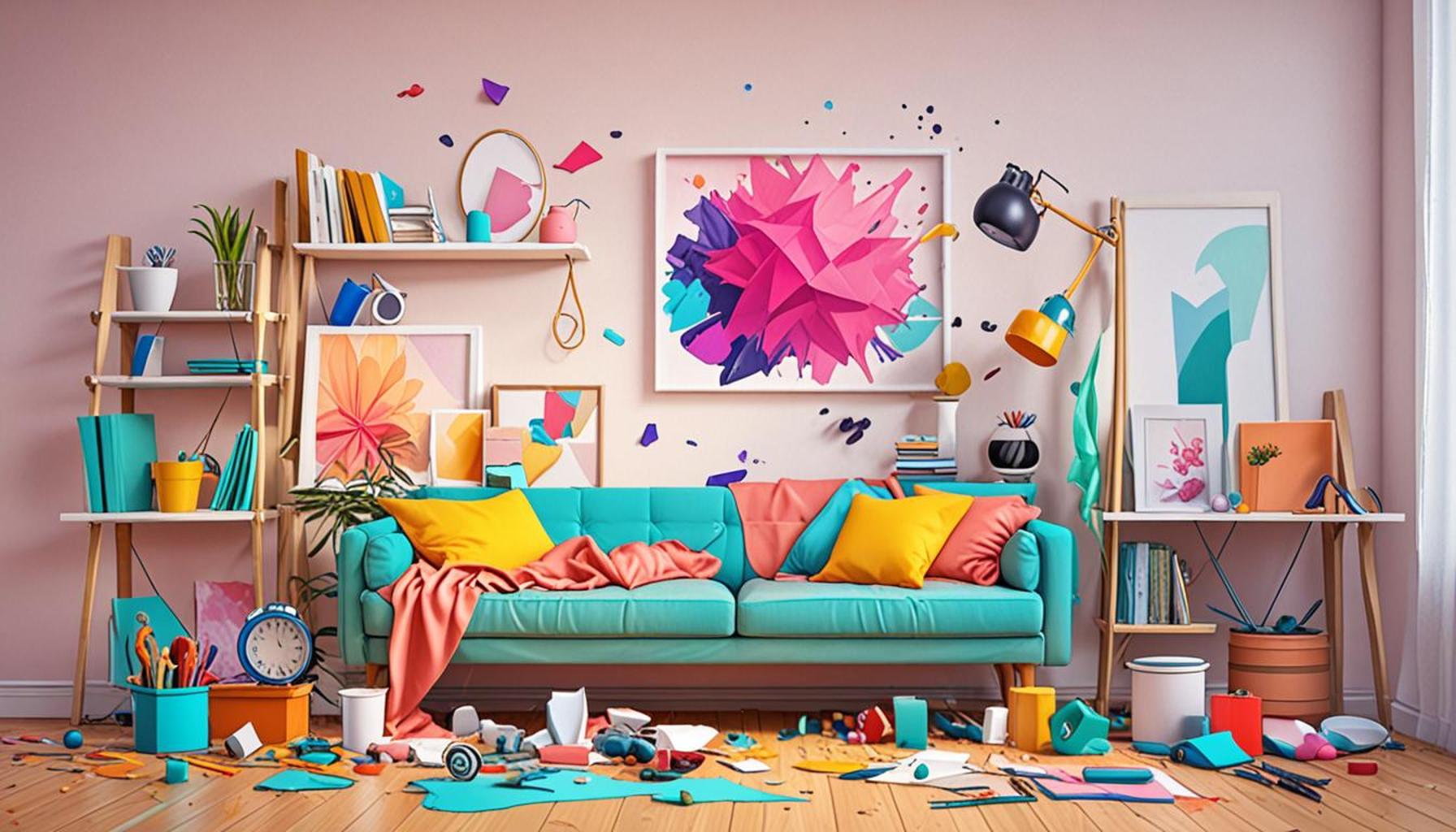
In today’s fast-paced world, many individuals struggle with the overwhelming presence of clutter. This accumulation of items not only affects our physical environment but also profoundly impacts our mental health. Understanding the connection between clutter and psychological well-being is the first step towards a healthier lifestyle.
The Hidden Costs of Clutter
- Increased stress levels: Living in a disorganized environment often leads to heightened anxiety. A study conducted by the Princeton University Neuroscience Institute found that clutter can compete for our attention, making it difficult for us to focus on other tasks. This results in a constant state of stress as our brains struggle to process the chaos around us.
- Decreased productivity: A cluttered space can significantly hinder focus and creativity. According to research by the National Institute of Health, individuals working in cluttered environments tend to experience a decline in productivity since they expend more energy navigating distractions. This can ultimately affect work performance and even personal projects.
- Emotional baggage: Unwanted items often carry emotional weight, evoking feelings of guilt or nostalgia that may trap us in the past. For example, keeping old gifts or memorabilia can be difficult, as they remind us of relationships or experiences that may no longer serve us. This emotional attachment can prevent individuals from moving forward in their lives.
Studies have shown that eliminating clutter can significantly enhance your quality of life. This phenomenon occurs through a process known as detachment, where individuals learn to let go of unnecessary items. The psychological aspect of detachment can be enlightening; it allows individuals to reassess what truly matters in their lives and encourages a mindset geared towards intentional living. By exploring the psychology behind detachment and its importance, we can unlock the potential for a more fulfilling existence.
Benefits of Decluttering
- Improved mental clarity: Clear spaces often lead to a clearer mind. Research from UCLA found that individuals who live in cluttered homes experienced higher levels of cortisol, a stress hormone. In contrast, maintaining a tidy atmosphere can foster mental clarity and reduce overall anxiety.
- Enhanced emotional well-being: Letting go of physical possessions can create a profound sense of freedom. Many people report feeling lighter and more energetic after clearing out spaces that have accumulated clutter, allowing room for new experiences and relationships.
- Boosted motivation: A tidy environment promotes a more energetic mindset. The visual appeal of organization can motivate individuals to engage in tasks they may have previously postponed, whether that involves family responsibilities, work projects, or personal goals.
By diving into the psychology of detachment, we aim to explore how these changes can enrich our lives. It’s time to embark on a journey towards clarity and well-being—one that takes us beyond the physical act of cleaning and leads to a deeper understanding of ourselves and our environments. Embracing this journey could pave the way for a more focused, emotionally balanced, and ultimately happier life.
DISCOVER MORE: Click here to learn about mindful living and sustainability
The Power of Letting Go
Embracing the concept of detachment does not merely signify discarding items; it entails forging a healthier relationship with our possessions and understanding the emotional dynamics at play. When individuals learn to let go of unnecessary items, they often confront deeper psychological narratives that influence their attachment to these objects. This process can reveal important insights about self-worth, identity, and lifestyle choices.

Understanding Emotional Attachment
Each item we own has its story—be it a childhood toy, a gift from a loved one, or a souvenir from a trip. These possessions often embody significant memories, leading to emotional attachment. However, as the clutter accumulates, these items can become burdensome rather than nostalgic. Psychologists emphasize that understanding these attachments is crucial for effective detachment.
- Attachment Theory: Developed by John Bowlby, this psychological model explains how early relationships with caregivers influence attachment styles in adulthood. Those who struggle with separation may find it challenging to declutter, as they background their self-esteem in these possessions.
- Fear of Loss: Many individuals battle with the fear of losing not just the item but the memories and connections tied to it. Addressing this fear is pivotal for promoting a healthier mindset towards possessions.
- Identity and Self-Expression: Our belongings often reflect who we are. The process of decluttering can challenge our sense of identity, pushing us to reassess our values and what we want to project in our lives.
In the United States, countless people engage in the practice of decluttering, whether through movements like minimalism or simple organizational methods. Not only does decluttering have tangible benefits for our physical environments, but it also prompts a vital internal dialogue about our priorities and motivations. This introspection is closely linked to mental wellness, as it encourages individuals to prioritize their needs over material accumulation.
Reassessing Our Relationship with Possessions
With each object we analyze for its relevance and significance, we can uncover a wealth of knowledge about ourselves. This practice of evaluating our possessions can foster a greater sense of purpose in our lives, ultimately contributing to well-being. Studies indicate that individuals who practice gratitude—particularly for what they already possess—report a higher satisfaction with life overall.
Through detachment, individuals learn that less is often more. By reducing clutter, people can foster environments that not only reflect their current selves but also inspire growth and creativity. The transformational potential of decluttering sets the foundation for a lifestyle that promotes emotional health, increased productivity, and inner peace. As we embark on the journey towards minimalism and intentional living, we equip ourselves with the tools to thrive amid the chaos of modern life.
The Impact of Clutter on Mental Health
Clutter can have a profound effect on our psychological state, often leading to feelings of anxiety and overwhelm. Studies indicate that individuals in cluttered environments tend to experience higher stress levels, which can hinder productivity and overall mental clarity. When our spaces are cluttered, we become visually overwhelmed, making it difficult to focus on the tasks at hand. This chaotic backdrop can create a lingering sense of unease, ultimately affecting our mood and emotional well-being.Recognizing this link between clutter and mental health can trigger a transformative journey towards detachment from material possessions. When we decide to declutter, we are not only creating a more organized space but also practicing a form of mindfulness that fosters a greater emotional connection to the present moment. This intentional release of excess belongings allows for more room—both physically and psychologically—for peace and clarity.It’s also worth considering the phenomenon of attachment theory. Many individuals often find it challenging to let go of items due to emotional attachments formed over time. However, understanding that these objects do not define our identities can pave the way for a healthier relationship with both our environments and ourselves. By intentionally assessing what we keep and what we let go, we cultivate a sense of agency over our lives.Additionally, decluttering aids in fostering emotional stability. By reducing the number of distractions and unnecessary items around us, we can create an atmosphere conducive to relaxation and mental calmness. This new environment can encourage healthier habits, such as regular meditation or creative pursuits that contribute to greater overall well-being.
Exploring Minimalism
Many people are turning to minimalism as a lifestyle choice that offers not just clarity in physical space but also peace of mind. Minimalism promotes the idea that less is more, and by adopting this mindset, individuals can significantly increase their focus on what truly matters—relationships, experiences, and well-being. Embracing a minimalist lifestyle can also lead to improved decision-making and less stress related to maintaining numerous possessions.As we dive deeper into the notion of detachment and its psychological benefits, we begin to untangle the complex narratives we have about belongings and self-worth. The journey to decluttering is not merely about discarding items; it’s an opportunity to reflect on our values and priorities—ultimately enriching our lives and fostering a sense of serenity. The exploration of the psychology of detachment has only just begun, and each step towards reducing clutter marks a significant stride towards enhanced mental health and personal growth.
DIVE DEEPER: Click here to uncover the psychology behind emotional clutter
The Liberation of Mindfulness
As we progress in our decluttering journey, an essential aspect that emerges is the notion of mindfulness. This technique, which involves being present and fully engaging with our thoughts and feelings, can significantly reshape our relationship with possessions. By integrating mindfulness into the decluttering process, individuals can become more aware of their emotional states and how certain items affect their mental health.
The Mindful Decluttering Process
Mindful decluttering encourages individuals to assess not just the physical space around them but also to reflect on the mental clutter that may arise. Here are some elements of this transformative approach:
- Awareness of Impulse Purchases: By examining the motivations behind acquiring items, individuals can understand more deeply the need for that purchase. Often, societal pressures or fleeting emotions drive us to acquire unnecessary items.
- Reflective Decision-Making: Mindfulness in decluttering prompts a moment of pause before deciding what to keep or discard. This introspective process may lead to discoveries about what truly holds value in one’s life.
- Emotional Literacy: Individuals practicing mindfulness become more adept at recognizing and naming their emotions. This skill can clarify why certain items evoke feelings of attachment, allowing for healthier conversations about what possessions bring joy.
Research shows that engaging in mindfulness practices can lead to reduced anxiety and improved emotional regulation. As a result, decluttering becomes more liberating rather than an overwhelming chore. It opens avenues to self-discovery, where individuals can better articulate their values and long-term goals.
Modern Trends in Minimalism and Mental Health
In recent years, the rise of minimalism as a lifestyle choice has attracted considerable attention. This movement advocates for living with less, focusing on quality over quantity. Coined by influencers like Marie Kondo, the philosophy resonates with those seeking a simpler, more intentional way of living. Recent surveys indicate that approximately 14% of Americans identify as minimalists, with many citing mental health improvements as a primary motive.
Influential studies have revealed a direct correlation between living in a clutter-free environment and improved mental health outcomes. For instance, individuals who maintain organized spaces report lower levels of stress and higher levels of focus. By aligning physical spaces with emotional well-being, minimalism has evolved into more than a trend; it represents a paradigm shift toward intentional living.
The advantages of this movement have also prompted mental health professionals to incorporate decluttering strategies into therapeutic practices. Cognitive-behavioral therapy (CBT) often includes components that help individuals evaluate their attachment to possessions and reshape their views on materialism. This therapeutic approach empowers clients to connect their external environments with their internal emotional landscapes.
Embracing a minimalist lifestyle or incorporating mindfulness into daily routines can ease the burden of emotional attachment to things. By strategically decluttering, individuals take significant steps toward enhancing well-being, self-awareness, and ultimately, a more fulfilled existence.
DISCOVER MORE: Click here for insightful strategies
Embracing Clarity for a Healthier Mind
In conclusion, exploring the psychology of detachment reveals a profound connection between eliminating clutter and enhancing well-being. As we strive for a healthier mental state, understanding the importance of decluttering becomes increasingly apparent. By practicing mindfulness, individuals can shift their perspectives on possessions, gaining deeper insight into their emotional triggers and the attachments they form with material items.
The current trend towards minimalism not only simplifies our physical spaces but also encourages a more intentional way of living. Studies illustrate that reducing clutter can lead to lower stress levels and improved focus, highlighting the benefits of a clear environment on mental health. As we refine our decision-making processes and cultivate emotional awareness, we discover what truly adds value to our lives, ultimately contributing to greater happiness and fulfillment.
Moreover, this transformative journey resonates with mental health practices and aligns with therapies like cognitive-behavioral therapy, making the decluttering process an integral part of emotional well-being. As the conversation around minimalism continues to grow, we are challenged to rethink our relationship with our belongings and recognize the liberation found in detachment.
Those seeking to improve their mental clarity and emotional health should consider the power of decluttering as a tool for personal growth. By embracing simplicity and fostering a mindful approach to our surroundings, we open doors to not only a cleaner home but also a clearer mind, enabling us to engage more profoundly with ourselves and the world around us.