
The Importance of Lighting in Minimalist Organization: Creating Attractive and Functional Environments
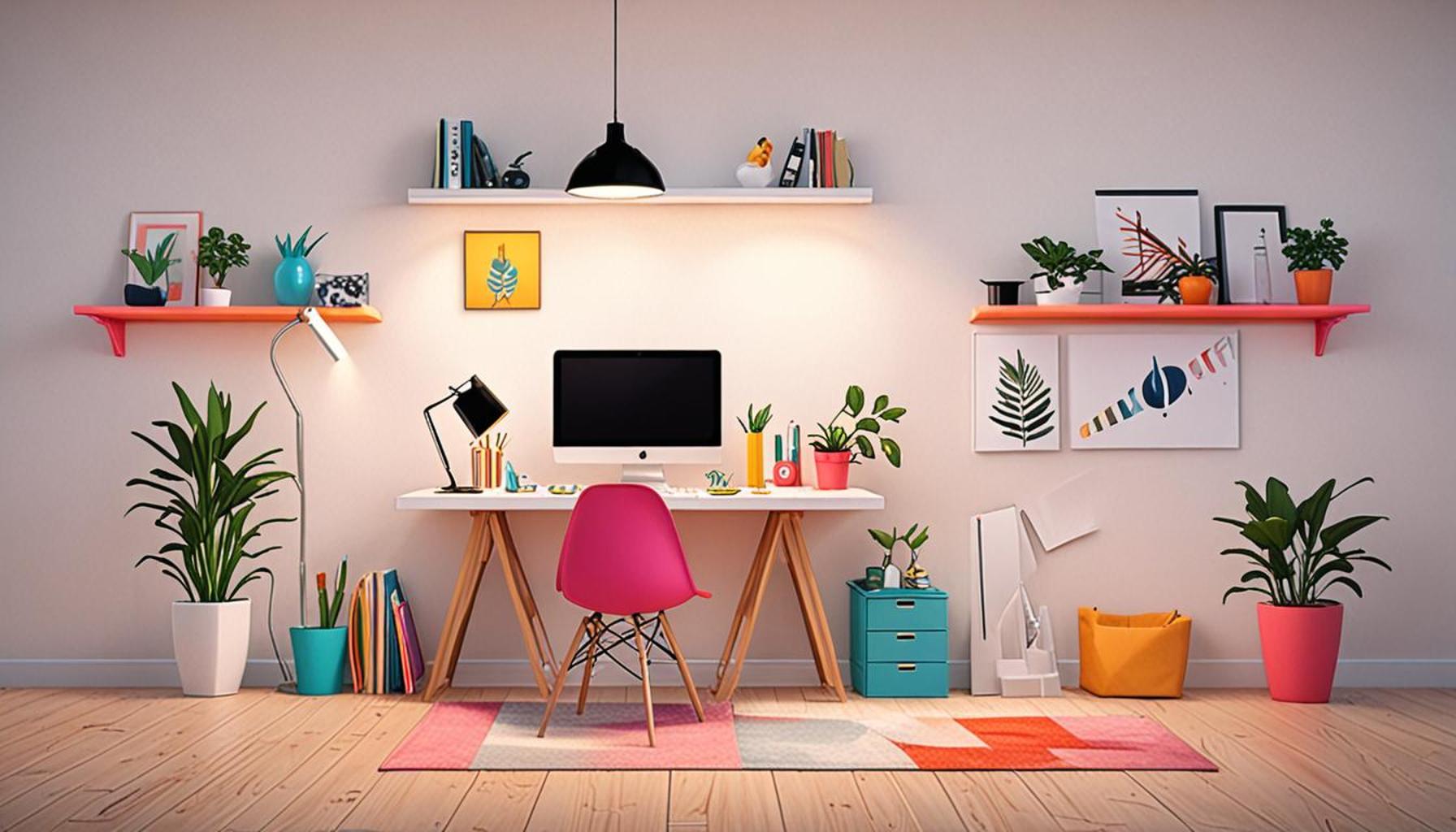
Understanding Lighting’s Role in Minimalist Spaces
In the realm of minimalist design and organization, every detail carries significant weight. One often-overlooked aspect is the role of lighting. While many may undervalue its importance, the right lighting can completely transform a space, enhancing both its aesthetic and functional qualities.
The Power of Light
Consider these key elements that illustrate the profound impact that lighting can have within minimalist spaces:
- Enhances Mood: Natural light, for instance, has been shown to improve mood and productivity. Spaces flooded with sunlight often feel more inviting and can significantly uplift one’s spirits. Imagine a bright, sunlit kitchen with big windows, encouraging morning gatherings over coffee. Conversely, the starkness of artificial lighting can create a cold atmosphere, making thoughtful placement of windows or skylights essential.
- Defines Areas: In larger open-concept layouts, strategic lighting can successfully delineate functional zones. For example, using pendant lights over a dining table or focused lighting on a reading nook can create distinct areas without obstructing the flow of the space. This technique not only enhances functionality but also preserves the minimalist ethos of openness.
- Affects Perception: Well-lit rooms often appear larger and more organized. The clever use of lighting can help draw the eye upward, making a space feel more expansive. Techniques like utilizing floor lamps with upward-facing shades can bathe walls in light, creating an illusion of height, essential in smaller homes.
In a minimalist setting, less is frequently more. However, achieving this minimalist approach necessitates deliberate lighting choices that accentuate the best features of the environment.
Creating Functional Environments
Effective lighting complements minimalist design by:
- Highlighting Key Features: Instead of illuminating everything evenly, focus light on important elements—like artwork or architectural details—to draw attention and infuse character into the space. For example, directional spotlights can highlight a striking sculpture or an intricate wall texture.
- Reducing Clutter: Soft, ambient lighting can create a seamless look that minimizes visual noise. By warming a space with dimmable lights, the high contrast of bold shadows can be softened, allowing surfaces and furniture to blend harmoniously.
- Supporting Tasks: Task lighting is paramount in areas requiring concentrated effort, such as kitchens or home offices. Pendant lights above kitchen islands or adjustable desk lamps can ensure that functionality is prioritized without compromising the minimalist style.
Explore how these innovative lighting strategies can elevate your spaces, transforming them into alluring and practical environments. Remember, the right lighting isn’t merely about illumination—it’s an essential element of minimalist organization that every homeowner should thoughtfully consider. Next time you think about redesigning your space, reflect on how lighting can play a pivotal role in your minimalist journey.
DISCOVER MORE: Click here to enhance your organization skills
Maximizing Space Through Strategic Lighting
In minimalist organization, the layout and decor are often intentional and uncomplicated. However, the addition of thoughtful lighting can dramatically enhance the functionality and visual appeal of these simplified spaces. Rather than simply serving as a source of illumination, lighting can be an integral element that breathes life into minimalist environments, enabling them to feel both inviting and purposeful.
Understanding the Characteristics of Light
To appreciate how lighting shapes minimalist spaces, one must first understand its characteristics—brightness, color temperature, and directionality all contribute to the overall ambiance. Each facet works together to create an environment that resonates with the principles of minimalism, which are centered around functionality, simplicity, and aesthetic appeal.
- Brightness: The amount of light in a space is crucial. Overly bright spaces may feel harsh and unwelcoming, while too little light can make a room feel cramped and dark. Striking a balance is essential to maintaining a cohesive flow that embodies the minimalist ethos. Consider using adjustable lighting solutions, such as dimmers or smart bulbs, to fine-tune the brightness according to activities and times of day.
- Color Temperature: The warmth or coolness of light has a profound impact on mood and perception. Warm tones create a cozy atmosphere, while cooler tones can evoke a sense of clarity and focus. For example, in a minimalist office setting, a cooler light can enhance concentration, while warmer hues in a living area encourage relaxation. Selecting the right color temperature for each space will help establish its intended purpose.
- Directionality: Directional lighting allows for flexibility in highlighting specific features while maintaining an open feel. Wall sconces can direct light upwards to create an illusion of height and spaciousness, while recessed lighting can provide an unobtrusive glow that enhances architecture without overpowering it. This strategic use of light can guide one’s eye and create a sense of movement throughout the space.
Understanding these elements allows homeowners and designers to manipulate how lighting interacts with their minimalist organization. The transformative ability of light extends beyond mere aesthetics; it impacts how individuals interact with their environments. Thoughtful lighting choices not only enhance functionality but can also evoke emotions and influence behaviors, making them indispensable in creating effective and attractive minimalist spaces.
Lighting and Minimalist Philosophy
The minimalist philosophy advocates for the removal of excess, allowing what remains to shine. In this context, lighting is not just an afterthought but rather a vital ingredient in cultivating an organized and harmonious setting. Embracing natural light whenever possible, for instance, aligns perfectly with minimalist ideals, ensuring spaces are more in tune with nature and promoting a healthier lifestyle.
By effectively addressing the principles of light—its brightness, color temperature, and directionality—homeowners can create environments that are not only functional and attractive but also deeply reflective of the minimalist approach. In the quest to define personal spaces, choosing the right lighting can become a powerful tool in achieving an organized and serene atmosphere.
The Impact of Natural Light
Natural light plays a crucial role in minimalist organization. Bright, well-lit spaces not only enhance our mood but also improve productivity and focus. Studies have shown that exposure to natural light can increase serotonin levels, which is essential for maintaining motivation and well-being. By maximizing the use of windows and open spaces, one can create a tranquil and inviting environment. Additionally, the integration of light-colored walls and furniture can help reflect light, making rooms appear larger and more spacious—key aspects of minimalist design. This reflective quality contributes to both usability and aesthetic appeal, helping to maintain a clean and organized look. Consider strategically placing mirrors to enhance light distribution within the space, further promoting the airy feel that minimalism stands for.
Artificial Lighting Solutions
While natural light is invaluable, artificial lighting solutions are equally vital in minimalist organization. Lighting should not only fulfill functional needs but also be aesthetic. Quality LED fixtures can create a warm ambiance while keeping energy consumption low. Dimming options allow for versatility, enabling a shift between work and relaxation modes effortlessly. Utilizing layered lighting—from ambient to task and accent light—can redefine a space. For instance, under-cabinet lighting in kitchens not only illuminates work surfaces but also adds an elegant touch without clutter. Emphasizing lighting in this way ensures that environments remain attractive, organized, and purposeful, aligning perfectly with minimalist principles.
Creating Focal Points with Lighting
In minimalist design, lighting can also serve as a powerful design element. By using statement light fixtures, one can create focal points that draw the eye and accentuate the simplicity of the surroundings. For example, a well-placed pendant light in a dining area can transform an otherwise dull space into a stylish gathering point. Effective task lighting, such as desk lamps, can also enhance organizational aspects by ensuring areas are comfortably illuminated without taking away from the minimalist aesthetic. Moreover, utilizing light with color temperature adjustments can further enhance mood depending on the time of day, creating dynamic environments that feel alive and functional. In summary, integrating effective lighting strategies strengthens the cohesion of minimalist organization, making spaces not only beautiful but also highly efficient. The strategic use of both natural and artificial lighting is essential in creating environments that speak to the essence of minimalism.
DISCOVER MORE: Click here to learn about mindful living</
Creating Zones with Layered Lighting
In the practice of minimalist organization, layered lighting provides a dynamic way to delineate spaces and establish distinct zones within a room. By incorporating a combination of ambient, task, and accent lighting, homeowners can achieve both functionality and aesthetic appeal while staying true to minimalist principles. This multi-dimensional approach not only improves usability but also helps to create a visually stimulating environment.
The Role of Ambient Lighting
Ambient lighting acts as the foundation of any well-lit space, casting a general light that fills the entire area. In minimalist design, the use of soft, diffused lighting is essential to create a welcoming atmosphere. Fixtures such as recessed lights, flush mount ceiling lights, and even large pendant lamps can serve as sources of ambient light that seamlessly integrate into the decor without overwhelming the curated simplicity. To maintain a minimalist vibe, it is advisable to select fixtures made from natural materials or subtle designs that do not distract from the overall organization.
The Importance of Task Lighting
Task lighting complements ambient lighting by providing focused illumination on specific areas where activities occur. In a minimalist home office, for instance, using an adjustable desk lamp can offer direct light for reading documents or working on projects, without contributing visual clutter. Consider options like floor lamps with clean lines or clip-on lamps that can be repositioned to suit different tasks. The sleekness of these solutions supports a minimalist aesthetic while ensuring that functionality remains a priority.
Adding Character with Accent Lighting
To imbue a minimalist space with personality, accent lighting can be employed to highlight architectural features, artwork, or plants. This method distinguishes specific elements within the environment, drawing attention without overwhelming other components. For example, wall-mounted lights can be directed toward a favorite painting or a particularly beautiful potted plant, effectively utilizing the light as a tool for appreciation. Accent lighting can elevate the mood of the room and instill a sense of warmth, making minimalism feel approachable and friendly.
- Light as a Design Element: Integrating light fixtures into the design as architectural elements further supports the minimalist concept. Pendant lights with sculptural qualities, for instance, can serve dual purposes as art pieces and sources of light.
- Flexibility of Lighting Solutions: Consider incorporating smart lighting systems that can adjust both intensity and color temperature remotely. These adaptable systems align perfectly with a minimalist organization by allowing users to modify their environment according to their needs and moods.
- Emphasizing Natural Light: When possible, incorporating natural light through the use of strategically placed mirrors can enhance the illusion of space and openness. Mirrors reflect light and can make a room feel brighter and larger while still adhering to minimalist tenets.
Utilizing layered lighting techniques enables homeowners to create inviting and functional environments that reflect their tastes while maintaining a clean and organized feel. As individuals seek to define their identity through their living spaces, lighting becomes a vital instrument in shaping the minimalist philosophy, transforming bare essentials into beautifully articulated living environments.
DISCOVER MORE: Click here to learn how minimalism can enhance your ecological footprint</p
Final Thoughts on Lighting in Minimalist Organization
In summary, the thoughtful application of lighting plays an irrefutable role in the realm of minimalist organization. It is not merely a utilitarian component of a room, but rather an integral design element that enhances both functionality and aesthetic appeal. Through layered lighting techniques—encompassing ambient, task, and accent lighting—homeowners can effortlessly define spaces, foster a welcoming atmosphere, and highlight essential features within their environments.
By prioritizing light quality and placement, individuals can create spaces that not only resonate with their personal style but also elevate their day-to-day experiences. The careful selection of fixtures that embody clean lines and natural materials resonates with minimalist ideals while offering solutions for diverse activities. Moreover, integrating smart lighting systems and maximizing natural light further enriches the adaptability of a minimalist space, catering to both emotional well-being and practical needs.
As modern living continues to embrace simplicity and functionality, understanding the importance of lighting in creating attractive, organized environments becomes increasingly valuable. Whether illuminating a cozy reading nook or highlighting a stunning piece of art, strategic lighting transforms bare essentials into inviting sanctuaries. Thus, lighting is not just about visibility but also about creating an engaging narrative within each thoughtfully curated space. It invites us to reflect on how we inhabit our environments and encourages us to explore new possibilities in the art of minimalism.