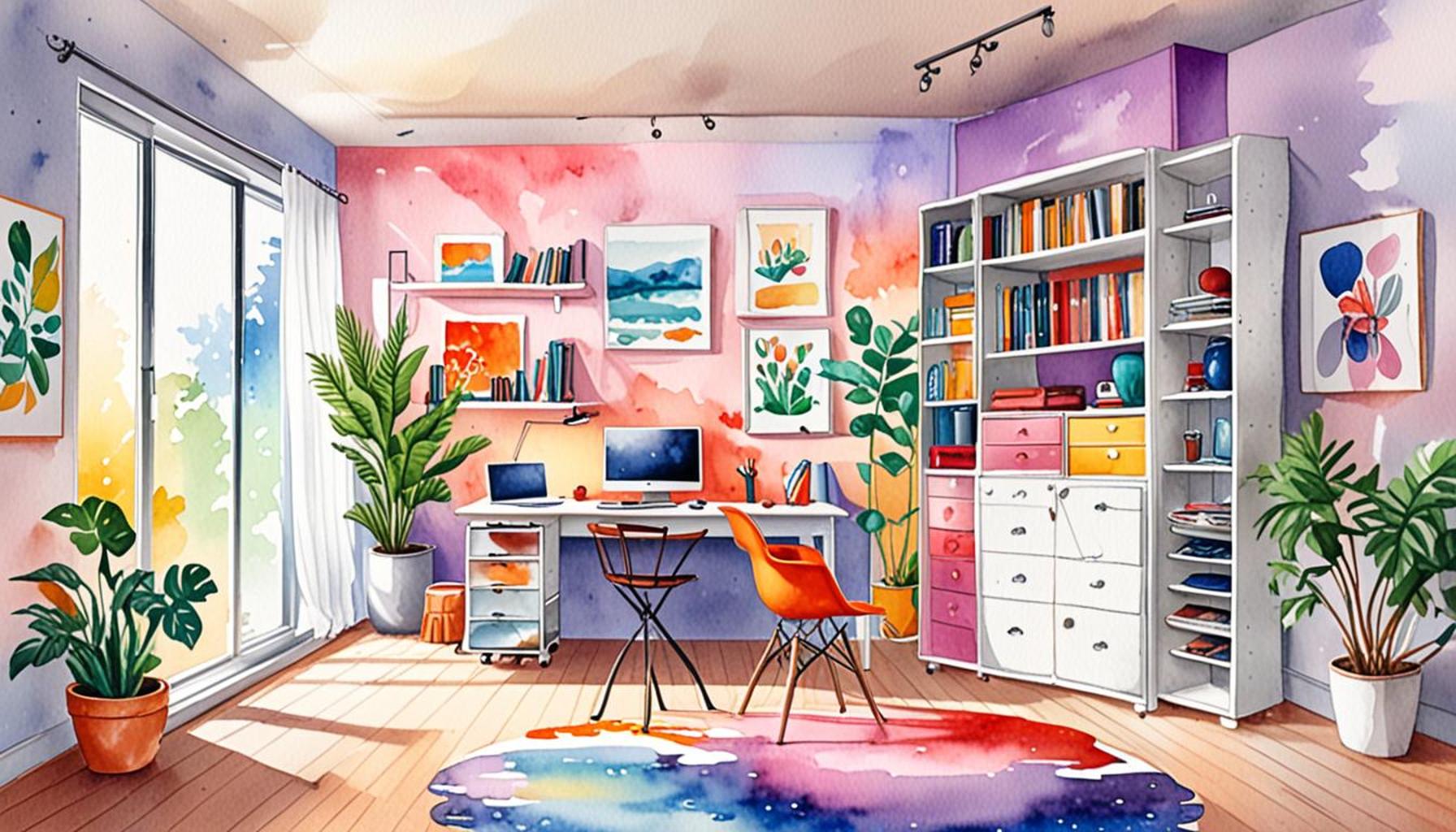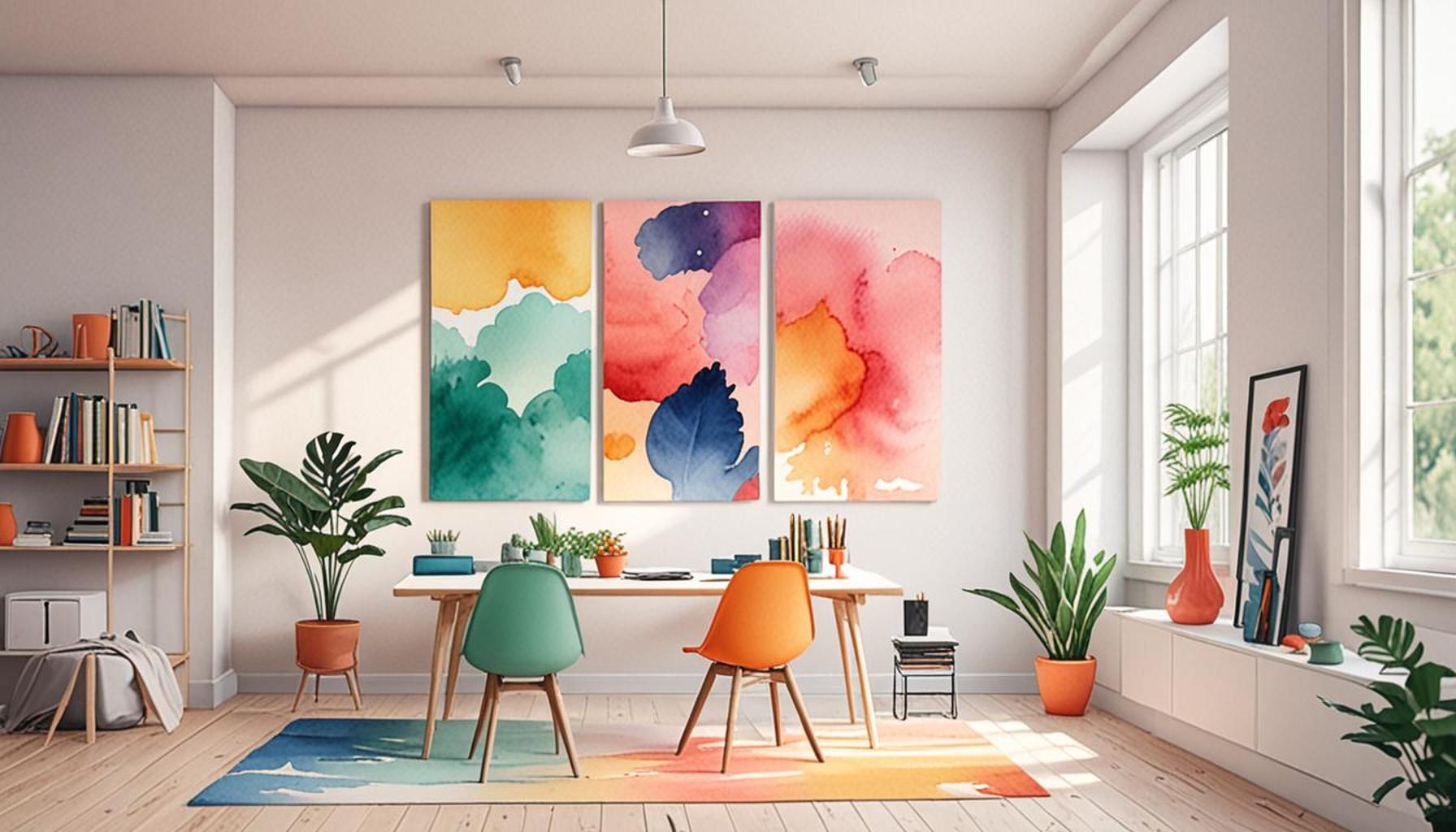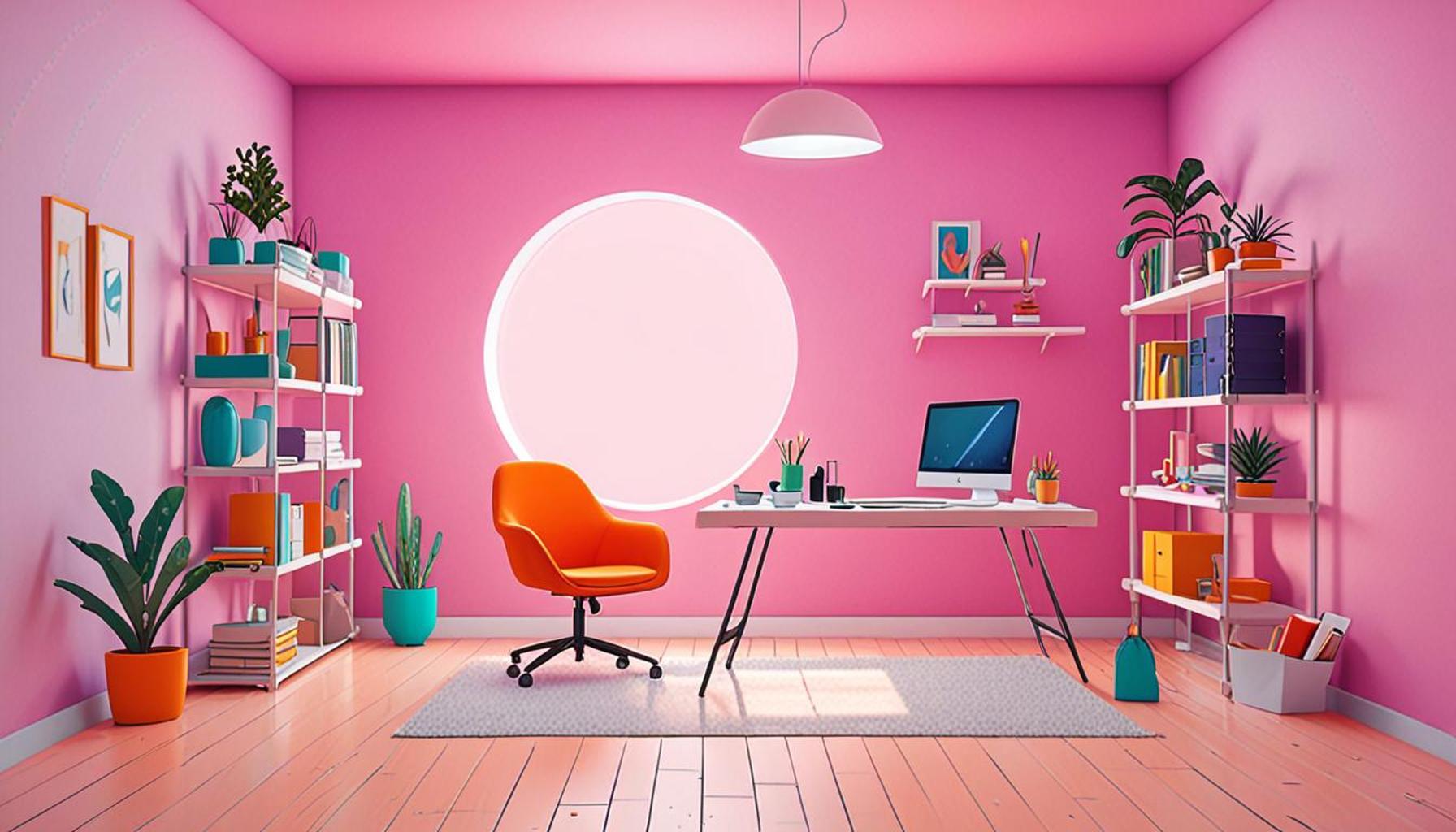
The Impact of Personalization on Space Optimization: How Personal Adjustments Can Transform Minimalist Environments

Reimagining Living Spaces with Personal Touches
In modern living, where minimalist design reigns supreme, the importance of optimizing spaces has never been more critical. As we become increasingly aware of our surroundings and how they influence our well-being and productivity, the question arises: how can we utilize personal adjustments to enhance both the functionality and aesthetic appeal of a minimalistic environment?
Incorporating personal touches into your home can significantly affect how you experience your space. This approach brings forth several benefits, including:
- Increased Comfort: A home tailored to your individual preferences fosters a sense of belonging. Whether it’s a personalized throw blanket on the couch or a favorite piece of artwork adorning the walls, these thoughtful additions can transform a stark environment into a cozy retreat.
- Maximized Efficiency: Customized furniture placement can lead to improved workflow. For instance, arranging a home office with a desk positioned to capture natural light can enhance focus and productivity, while strategically placing frequently used items within arm’s reach minimizes clutter.
- Enhanced Style: The inclusion of unique decor that showcases personal taste can make even the simplest spaces feel warm and inviting. This can range from eclectic wall art to handmade crafts that tell a story, adding layers of meaning to an otherwise minimalist aesthetic.
The impact of such personalized adjustments on our surroundings is profound. Simple décor modifications—like choosing a color palette that resonates with your personality—or strategic furniture placement can significantly redefine how we interact with our environments. Think about how the addition of plants can breathe life into a space, or how a carefully selected rug can serve as a focal point that ties the room together.
As individuals in the United States move towards streamlined living, the trend towards minimalist environments continues to gain traction. The choices we make reflect a fascinating interplay between personal expression and space optimization. For instance, many urban dwellers in cities like San Francisco or New York often face size constraints that make these considerations even more pressing. The ability to integrate personal style while maintaining functionality is crucial in such scenarios.
Join us on this exploration of how you can harness the transformative power of personalization in minimalist designs. Discover how your unique adjustments can redefine the essence of your home, turning not just a living space, but your sanctuary, into a reflection of who you are.
DISCOVER MORE: Click here to delve deeper
Personal Adjustments: The Key to Unlocking Small Space Potential
As urban living spaces continue to shrink, the need for effective space optimization becomes increasingly paramount. Personalization plays an essential role in maximizing the utility of minimalist environments, transforming them from mere functionality to vibrant, lived-in sanctuaries. The impact of personalization on space optimization is evident through various strategies that can be implemented to enhance one’s lifestyle while maintaining minimal aesthetics.
One crucial aspect of personalization is understanding the concept of multi-functional furniture. This furniture, which serves more than one purpose, not only saves space but also allows individuals to express their unique tastes. For example, a sleek, modern sofa that converts into a bed can seamlessly accommodate overnight guests while still reflecting personal style through the choice of fabric or color. This integration of function with flair is particularly significant in cities like New York, where square footage often comes at a premium.
Moreover, personalization extends beyond physical items to include color schemes and lighting choices. A well-curated color palette can dramatically influence mood and perception. Warm colors might evoke feelings of warmth and coziness, while cooler tones can create a sense of calm. For instance, a vibrant accent wall adorned with personal artwork can serve as a stunning focal point. Similarly, the appropriate placement of lighting fixtures—such as dimmable LEDs or stylish pendant lights—can enhance the ambiance of a minimal space, making it feel both functional and inviting.
There are several effective strategies for personalizing and optimizing living spaces. These include:
- Decluttering: Regularly removing unnecessary items not only clears physical space but also allows personal possessions to shine. A minimalist environment should focus on quality over quantity.
- Curating Collections: Displaying collections that reflect individual interests—be it books, plants, or travel memorabilia—adds depth to a minimalist aesthetic while showcasing personal narratives.
- Creating Zones: Establishing distinct areas within the same space—for sleeping, working, or entertaining—can lead to improved organization and functionality. Personalizing each zone not only enhances practicality but distinguishes different activities.
An example of these strategies in action can be seen in the popular trend of wall-mounted shelving. This method optimizes vertical space while providing a platform for personal items. By arranging books, plants, or decorative objects in a visually pleasing manner, homeowners can create a striking display that emphasizes individual tastes without cluttering the floor space.
Ultimately, the integration of personalized elements into minimalist designs impacts how we interact with our environments. Instead of viewing space as a limitation, personal adjustments transform it into a medium for self-expression, allowing inhabitants to feel more at home amid their streamlined surroundings. As we delve deeper into personalization’s transformative power, it becomes apparent that the journey toward a curated minimalist environment is about embracing one’s identity while maximizing the benefits of space optimization.
The Role of Personalization in Enhancing Functionality
In the realm of minimalist environments, space optimization goes beyond mere arrangement; it intertwines with the essence of personalization. Tailoring a space to reflect one’s personality and habits not only enhances aesthetics but also boosts functionality. By incorporating elements that resonate with the individual user, one can create an atmosphere that is both inviting and efficient.Minimalism often promotes the idea of decluttering, yet personal adjustments introduce a necessary layer. For instance, integrating multi-functional furniture allows for more versatile usage of space. A sofa that doubles as a bed or an ottoman that serves as storage can significantly optimize confined areas while still remaining true to a minimalist ethos. Each small modification adds a unique touch that improves daily routines, making a space feel like home rather than just a collection of items.
Psychological Benefits of Personalization
The impact of personalization on space optimization is not solely physical; it profoundly affects mental well-being. Research indicates that individuals who personalize their living spaces experience reduced levels of stress and increased feelings of comfort and belonging. When homeowners actively engage in the design process, they imbue their surroundings with sentimental value, transforming uninspired minimalism into a personalized haven.For example, showcasing personal artwork or meaningful artifacts can inspire creativity and joy, countering the sterile feelings often associated with minimalist spaces. Furthermore, creating designated zones based on personal activities – such as reading nooks or craft areas – amplifies the notion of a tailored experience, rooted in individual lifestyle needs.By recognizing the dual role of personalization—in improving both space utility and emotional satisfaction—individuals can navigate the nuances of minimalist design more effectively. The quest for a harmonious balance between simplicity and personal expression becomes a profound journey, pushing the boundaries of traditional minimalist living. Integrating tailor-made adjustments reveals the transformative potential of personalization, ultimately redefining what it means to embrace minimalism in a dramatic way.
DISCOVER MORE: Click here to learn about minimalism
Innovative Personalization Techniques: Bridging Functionality and Style
As the trend of minimalist living continues to gain momentum, innovative personalization techniques are setting new standards for space optimization in urban areas. In essence, personalization adds a layer of individuality and creativity that balances functionality with style. From utilizing unconventional storage solutions to incorporating technology, these methods can transform tightly confined spaces into artistic and efficient living quarters.
A significant area where personalization enhances minimalist designs is through the implementation of hidden storage solutions. Commonly overlooked, the incorporation of under-bed storage bins, ottomans with concealed compartments, or even built-in cabinetry can dramatically alter how space is utilized. Not only do these solutions maximize every square inch of an area, but they also allow for a more organized and tailored approach to decor. For example, a bed frame with drawers beneath can eliminate the need for bulky dressers, ultimately creating a more open and airy environment.
Moreover, the integration of technology in home design is a burgeoning frontier for personalization. Smart home devices that control lighting, temperature, and even music can be tailored to suit the preferences of individual users. Imagine a compact studio where the lighting adjusts automatically to create the perfect ambiance for work or relaxation—all from the touch of a button. This kind of technological personalization not only improves space optimization but also elevates the overall living experience by adapting to the resident’s lifestyle.
In addition to these strategies, the concept of biophilic design—the practice of integrating natural elements into living spaces—has emerged as a particularly beneficial method of personalizing minimalist environments. Studies have shown that incorporating plants into homes can enhance mood, boost creativity, and improve air quality. For instance, a single large houseplant can serve as a statement piece, adding both visual interest and a touch of nature, while also optimizing limited floor space. Vertical gardens or wall-mounted planters further illustrate how personal adjustments can inject life into a minimalist setting, enhancing both functionality and aesthetic appeal.
Another aspect that significantly contributes to personalization in space optimization is the concept of mobile and modular furniture. Pieces that can be easily rearranged or repositioned according to need foster adaptability within the home. Convertible desks or collapsible tables allow for effortless transitions between work and leisure, ensuring that the space remains functional even as the lifestyle shifts. Such flexibility makes it possible to embrace minimalism while allowing for the fluidity of personal usage.
Furthermore, local artisans or thrift shops present a treasure trove of potential personalization options. By infusing unique or vintage pieces into minimalist decor, inhabitants not only optimize their spaces but also cultivate a one-of-a-kind atmosphere that resonates with their personal histories. Whether it’s a reclaimed wooden table or handcrafted wall art, these personal touches remind us that a minimalist environment need not be devoid of character.
Ultimately, the interplay between personalization and space optimization reveals that the beautiful art of minimalist living lies not just in the reduction of clutter but in the intentional choices that breathe life into every corner. Through innovative solutions, thoughtful design, and sustainable practices, individuals can create spaces that are not only visually appealing but also rich with personal significance, effectively redefining what it means to truly inhabit a home.
DISCOVER MORE: Click here to learn about the benefits of decluttering
Conclusion: Redefining Minimalism Through Personalization
The emergence of personalization in minimalist environments marks a profound shift in how we perceive and utilize our spaces. By embracing innovative storage solutions, integrating cutting-edge technology, and incorporating elements of biophilic design, individuals can transcend the confines of traditional minimalism, leading to living spaces that are not only practical but also immensely personal. These adjustments reveal that a minimalist lifestyle does not equate to a sterile or impersonal atmosphere; rather, it becomes a canvas for self-expression and creativity.
Furthermore, flexible mobile furniture and unique, artisan pieces contribute to an ever-evolving environment that adapts to the changing needs and preferences of individuals. This adaptability ensures that as life evolves, so too can our living spaces, reflecting both our journeys and aspirations. With rising urban populations and limited living spaces, the ability to optimize and personalize becomes increasingly crucial.
As a new wave of renters and homeowners prioritize both functionality and aesthetic appeal, the relationship between personalization and space optimization will only deepen. It encourages us to rethink how we inhabit our environments and underscores the importance of making intentional choices that resonate with our identities. In a world moving towards minimalism, it is these personalized touches that transform our homes into true sanctuaries, enhancing both lifestyles and well-being.
Embracing this dynamic intersection of personalization and minimalism opens vast new horizons that invite exploration and further investigation. As you contemplate your own space, consider how personal adjustments could elevate not just the utility but the soul of your living environment.