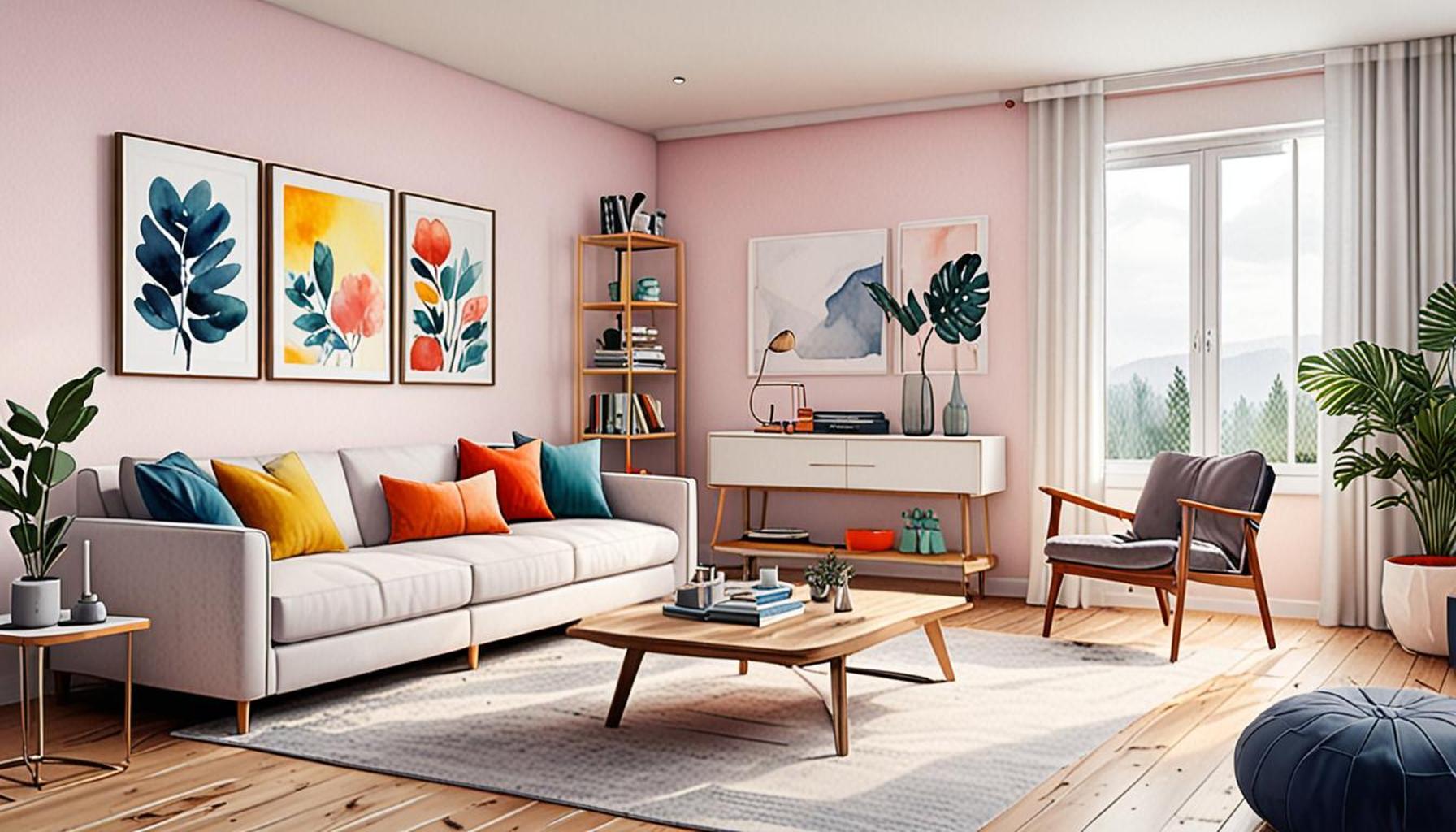
Rhythms of Life and Organization: How Minimalism Can Facilitate Daily Routines and Maximize Spaces
Embracing Minimalism in Daily Life
In a world overwhelmed by clutter and constant distractions, the concept of minimalism emerges as a transformative approach for many. The benefits of adopting a minimalist lifestyle extend far beyond mere aesthetics; they have the potential to reshape our daily routines and enhance our overall well-being. As societal pressures prompt us to accumulate more—be it possessions, commitments, or information—minimalism invites us to prioritize quality over quantity, thus revolutionizing how we engage with our environment.
What Can Minimalism Offer?
Minimalism focuses on reducing excess in our lives, which can lead to:
- Increased clarity: A decluttered environment fosters mental peace, reducing anxiety often linked to chaos. A 2011 study published in the journal “Personality and Social Psychology Bulletin” found that participants who described their homes as cluttered exhibited higher levels of the stress hormone cortisol.
- Enhanced productivity: Fewer distractions mean more focus on important tasks. For instance, having a tidy home office can improve work performance. A study by the Princeton University Neuroscience Institute concluded that clutter negatively impacts the ability to focus. Simplifying your workspace can lead to increased creativity and efficiency.
- Space optimization: Making the most of every square foot in your home allows for better functionality. Utilizing multi-purpose furniture or adopting storage solutions like vertical shelves can create a more spacious feeling while providing a practical approach to living.
The Modern Rhythm of Life
As our lives become increasingly hectic, incorporating minimalist principles can create a sense of balance. For example, simplifying your living space can bring:
- Streamlined daily routines: Less time spent on maintenance and cleaning can free up hours in your week. Imagine reducing your cleaning time from three hours to one, allowing you to pursue hobbies or spend quality time with family.
- Mindful consumption: Being intentional with what you own can significantly enhance your purchasing decisions. This philosophy encourages individuals to buy only what they truly need, favoring sustainability and quality over mere trends.
- A peaceful sanctuary: Transforming your home into a stress-free zone can significantly improve mental health. Consider creating a quiet corner for relaxation or meditation, equipped with only essential items that promote tranquility.
By understanding how minimalism connects with the rhythms of life and organization, we can uncover its true potential. This journey invites you to explore innovative ways to manage your space and time effectively. Furthermore, engaging with community-driven platforms or workshops can provide additional insight and encouragement, helping individuals stay committed to a minimalist lifestyle. As countless stories from those who’ve adopted minimalism validate, the results can be both liberating and profoundly enriching.
DISCOVER MORE: Click here for effective team strategies
Streamlining Your Daily Routines Through Minimalism
In today’s fast-paced world, the quest for efficiency often leads many to seek out productive solutions that can alleviate the pressures of modern life. Minimalism, at its core, offers a systematic approach to simplifying daily routines by eliminating unnecessary clutter and distractions. By embracing minimalism, individuals can transform their day-to-day lives, enhancing not only their productivity but also their well-being.
The Art of Decluttering
Decluttering is more than just a one-time event; it is a continuous practice that lays the foundation for a minimalist lifestyle. Adopting this practice can have profound outcomes, including:
- Improved mental clarity: A clutter-free environment paves the way for clearer thinking. According to a study by UCLA’s Center on Everyday Lives and Families, individuals living in cluttered spaces experience higher levels of cortisol, a stress-related hormone, which can lead to anxiety and decreased focus.
- Less time spent on decisions: When choices are limited, decision-making becomes easier. A classic example is the “30 Pieces of Clothing Challenge,” which encourages individuals to simplify their wardrobe. Reducing clothing options significantly streamlines what to wear, allowing for quicker morning preparations and a more stress-free start to the day.
- Enhanced time management: Simplification allows you to allocate time more effectively. Using minimalist principles to organize tasks can help prioritize what truly matters, shifting focus away from unproductive activities and toward meaningful engagement.
Creating Functional Spaces
The physical organization of our environment can directly influence how we function in our daily lives. Minimalism encourages the concept of functional spaces, whereby each area in a home serves a specific purpose and promotes productivity. This approach can lead to:
- Multi-functional furniture: Investing in furniture that serves multiple purposes is a hallmark of minimalism. For instance, a convertible sofa bed in your living room not only provides seating during the day but can also accommodate guests at night, maximizing space while maintaining comfort.
- Purpose-driven organization: Designating specific areas for tasks can enhance focus. For example, creating a dedicated workspace away from distractions such as TV or social media can create a conducive environment for productivity.
- Mindful decoration: Opting for a few meaningful decor pieces rather than an array of items allows for a personal touch without overwhelming visual stimuli. This aesthetic promotes a sense of calm and encourages creativity.
By integrating minimalist practices into our lives, we can sync our daily routines with the natural rhythms of life. This alignment fosters a sense of purpose and fulfillment, enabling us to approach each day with intention. Whether it’s through decluttering, enhancing productivity, or optimizing spaces, minimalism has the potential to enrich our everyday experiences significantly. As individuals continue to share their journeys of minimalism on social media and blogs, many are finding empowerment in simplicity—making the notion of living with less not only appealing but also deeply impactful.
| Category | Description |
|---|---|
| Enhanced Focus | Minimalist environments reduce distractions, improving concentration on tasks. |
| Space Optimization | Clearing clutter allows for efficient use of space, making areas feel larger and more organized. |
In the realm of minimalistic living, the concept of Enhanced Focus stands out as a transformative aspect. By removing unnecessary items from our surroundings, we cultivate an atmosphere conducive to productivity. This newfound clarity can quite literally change the way we approach our daily routines. Instead of feeling overwhelmed by clutter, we can harness our energy and direct it toward fulfilling our goals.Furthermore, Space Optimization serves as a tactical advantage. Many people struggle with spatial constraints in their homes or workspaces; minimalism provides a renewed perspective. Implementing clever storage solutions and investing in multifunctional furniture can convert even the smallest areas into functional, versatile spaces. As a result, residents frequently report increased satisfaction and motivation, encouraging them to engage more actively with their living and work environments. Through these approaches, minimalism aids not just in maintaining order, but also in embracing a lifestyle focused on intentionality and simplicity.
DISCOVER MORE: Click here to uncover the link between clutter and creativity
Harnessing Minimalism for Enhanced Focus and Mindfulness
In the age of constant connectivity and overwhelming choices, the concept of mindful living takes on a new urgency. Minimalism not only advocates for the simplification of physical spaces but also encourages a mental decluttering that has the potential to improve focus and creativity. By eliminating distractions and unnecessary noise, individuals can concentrate better on their tasks and establish a more harmonious daily rhythm.
The Power of Mindfulness Practices
Integrating minimalist concepts with mindfulness can lead to a more centered existence. Here are a few ways it unfolds:
- Intentional Time Allocation: Minimalism advocates for being intentional with time commitments. Rather than juggling countless responsibilities, practicing mindfulness fosters awareness of how time is spent. Techniques such as time blocking can help designate specific periods for focused work, leisure, and self-care—creating a structured yet flexible routine that respects individual rhythms.
- Digital Minimalism: In our technology-driven world, digital clutter can be as distracting as physical clutter. Embracing digital minimalism involves streamlining social media accounts, curating informational feeds, and limiting screen time. A 2019 study showed that reducing social media usage for just one week resulted in lower levels of anxiety and depression, demonstrating the mental benefits of decluttering digital spaces.
- Mindful Consumption: Minimalism also encourages a shift in consumption habits, not just materially but also in terms of information and experiences. By consciously choosing what to bring into our lives—be it books, hobbies, or social engagements—we can focus on what truly resonates with us, reducing overwhelm.
Establishing a Zen-like Atmosphere
The ambiance of our environments plays a significant role in how we function daily. Minimalism promotes a serene atmosphere that fosters tranquility and creativity. Some strategies to achieve this include:
- Natural Elements: Infusing spaces with natural elements like plants can enhance mood and air quality. Research conducted at the University of Queensland revealed that having greenery indoors can improve productivity and wellness, proving beneficial for both home offices and creative spaces.
- Neutral Color Palettes: Opting for lighter and neutral color schemes can make spaces feel larger and more peaceful. Colors such as soft whites, beiges, and pastels create a gentle backdrop that fosters calm—ideal for promoting focused activities like reading, writing, or meditation.
- Liquidating Visual Clutter: Reducing artwork and compartmentalizing books and decorative items minimizes visual distractions. A few carefully chosen artworks or photographs can be more powerful than a plethora of items, allowing for a more compelling reflection of personal identity without aesthetic noise.
Lastly, by harnessing the principles of minimalism and mindfulness, individuals can amplify their ability to navigate an overstimulated world. Tightening the alignment between personal values and daily routines invariably allows for a deeper sense of belonging, purpose, and fulfillment. As more people resonate with the minimalist lifestyle and share their findings online, it has become evident that embracing less can indeed lead to more: more clarity, more joy, and ultimately, more living.
DIVE DEEPER: Click here to discover the impact of clutter elimination on your travel experiences
Embracing Minimalism for a Harmonious Life
In wrapping up our exploration of rhythms of life and organization through the lens of minimalism, it becomes evident that adopting a minimalist approach can serve as a powerful catalyst for restructuring daily routines and optimizing spaces. By embracing the philosophy of ‘less is more,’ individuals can create environments that not only nurture productivity but also enhance mental well-being. The art of mindful living transcends beyond mere decluttering; it invites us to thoughtfully evaluate our priorities, discovering what truly enriches our lives.
The benefits of minimalism are profound. The deliberate elimination of distractions—be they physical or digital—fosters a clearer mental landscape, allowing for heightened focus and emotional clarity. As we strive to simplify and harmonize our surroundings, we open the door to a tranquil atmosphere that encourages creativity and reflection. Furthermore, by intentionally curating our time and commitments, we can create flexible routines that align with our unique personal rhythms, leading to enhanced productivity and deeper fulfillment.
As more individuals in the United States and around the globe dive into the principles of minimalism, the momentum of this movement continues to grow. The potential for maximizing our spaces and routines leads not only to a liberated lifestyle but also cultivates a greater appreciation for presence and purpose in our daily lives. Embracing minimalism isn’t just a trend—it’s a transformative journey worth exploring. In the pursuit of clarity, joy, and meaningful living, the path of minimalism beckons us to discover the extraordinary within the ordinary.