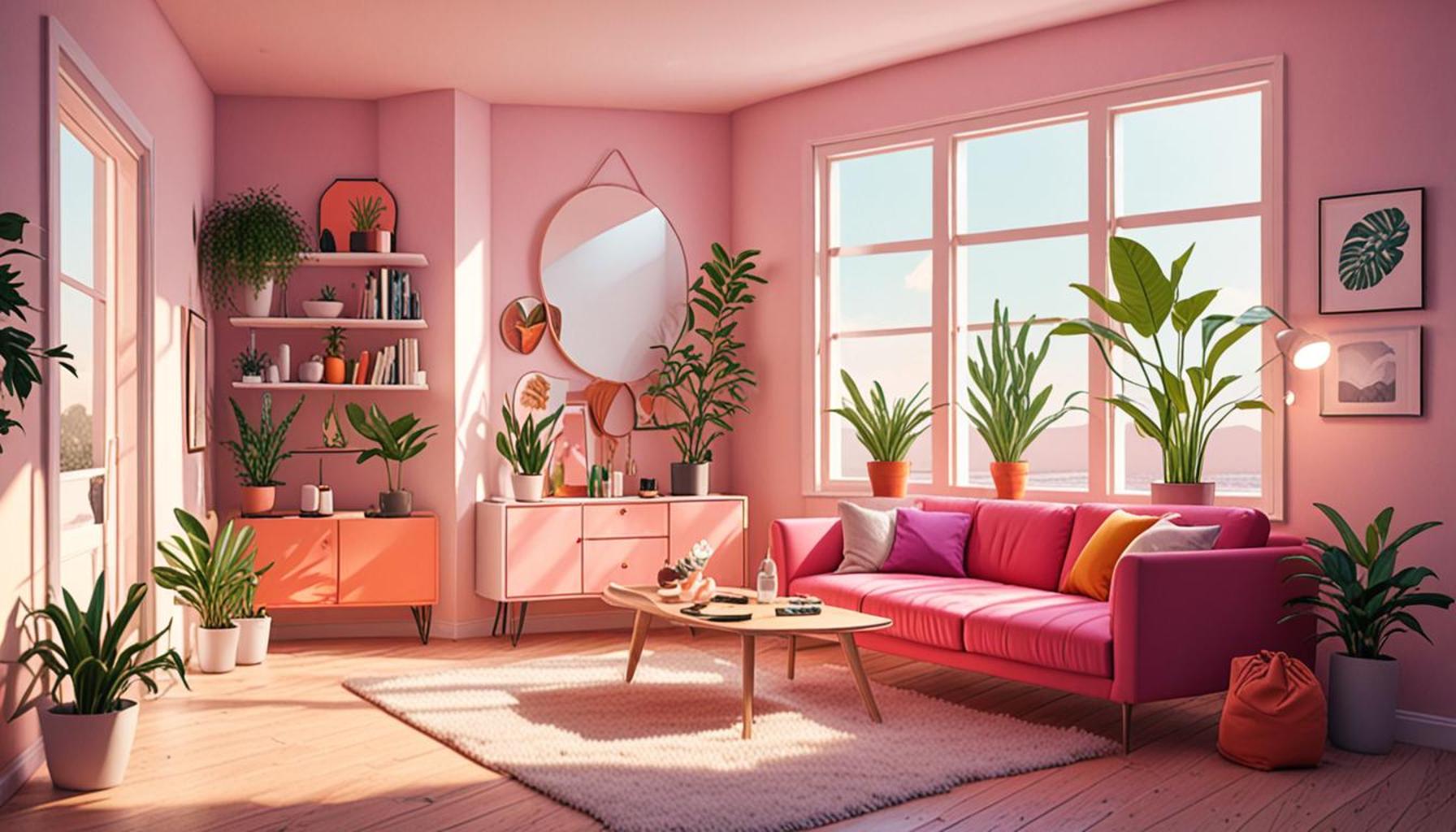
Mindful Living and Stress Reduction: The Intersection of Minimalism and Well-Being
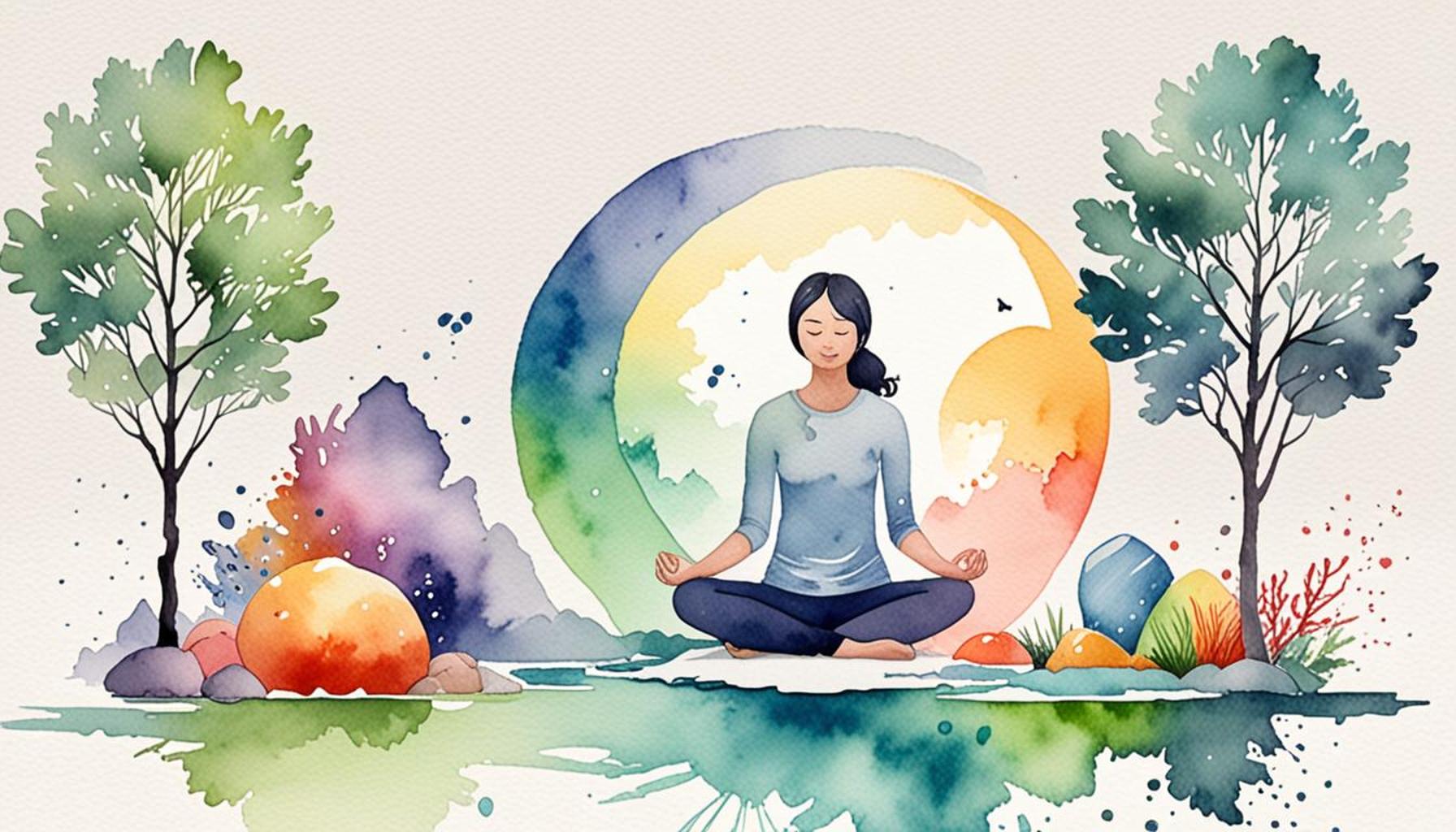
The Intersection of Mindfulness and Minimalism
In today’s fast-paced world, stress permeates our lives, where the relentless demands of work, social engagements, and personal obligations can feel insurmountable. Amidst this chaos, there is a powerful movement advocating for simplicity and intention, providing a way to reclaim peace and clarity.
Mindful living encourages individuals to ground themselves in the present moment, fostering awareness that can enhance emotional resilience. By focusing on the here and now, many people find themselves better equipped to handle daily stresses. Alongside this, minimalism calls for the removal of unnecessary possessions and distractions, allowing a more streamlined and purposeful existence. These two approaches complement each other remarkably, offering individuals effective strategies for improved well-being.
- Reducing Clutter: Adopting a minimalist approach is about more than just a tidy home. It involves decluttering physical spaces, which can lead to a corresponding clearing of the mind. A famous example is the KonMari method, developed by Marie Kondo, which encourages people to keep only those items that “spark joy.” This method not only contributes to a peaceful living environment but also promotes mental clarity, allowing one to focus on what truly matters.
- Enhancing Focus: Incorporating mindfulness practices, such as meditation and deep-breathing exercises, can significantly enhance concentration. Research from institutions like Harvard University has shown that mindfulness not only reduces anxiety but also improves cognitive flexibility and attention span. In a society where attention is often divided among numerous devices, fostering focus through mindfulness can lead to more productive and satisfying experiences.
- Cultivating Gratitude: Minimalism encourages individuals to appreciate what they have, rather than always seeking more. By focusing on essentials and practicing gratitude, people can cultivate a happier mindset. For example, maintaining a gratitude journal—where you note three things you are thankful for each day—can shift attention from what is lacking to the abundance present in one’s life. This shift can lead to greater overall contentment and happiness.
Numerous studies have indicated that maintaining a mindfulness practice can lead to significant reductions in stress levels, which can enhance overall mental health. A minimalist lifestyle often cultivates a sense of calm amidst modern life’s chaos. As you explore the intertwining philosophies of mindfulness and minimalism, consider how adopting these practices could enrich your everyday life.
This article investigates the harmony that exists between mindful living and minimalism, offering valuable insights and practical tips for embracing a lifestyle centered around well-being. The journey toward a more fulfilling and less stressful existence may begin with a few deliberate choices that align with these principles.
DISCOVER MORE: Click here to learn how decluttering can enhance your decision-making
Creating Space for Peace: The Benefits of Mindful Minimalism
The burgeoning philosophies of mindful living and minimalism are proving to be more than just passing trends; they represent a profound quest for wellness in an increasingly cluttered world. The significance of these practices lies not only in their individual merits but also in their potent synergy. By intertwining mindfulness with minimalism, individuals can cultivate environments and mindsets that significantly alleviate stress and enhance overall well-being.
One of the cornerstones of mindful minimalism is the process of decluttering. It’s essential to understand that decluttering is more than just removing excess belongings from our physical space; it can act as a therapeutic exercise for the mind. When we take the time to assess what truly serves us and what does not, we embark on a journey of self-discovery. Tidy spaces lead to tidy minds, and studies have shown that an organized environment can lead to decreased levels of anxiety and increased feelings of calm. To this end, consider these impactful strategies:
- Prioritize Your Belongings: Instead of holding on to items simply out of obligation or nostalgia, evaluate their functional and emotional value. This creates a sense of choice and control, which contributes positively to mental health.
- Establish Consistent Habits: Implementing regular decluttering sessions can help maintain a serene atmosphere over time. A simple practice could involve dedicating just ten minutes each week to evaluate and reorganize your space.
- Practice Mindful Consumption: When you contemplate new purchases, ask yourself if the item adds true value to your life. This practice can prevent the accumulation of stuff that only adds to clutter and stress.
In tandem with the practice of decluttering, mindful awareness plays a critical role in reducing stress. Mindfulness encourages individuals to live intentionally, focusing on the present moment rather than succumbing to overwhelming thoughts about the future or past. Techniques like meditation or mindful breathing reinforce this focus, creating a buffer against life’s pressures. Research shows that individuals who regularly practice mindfulness report lower levels of stress and a greater capacity for emotional regulation. This cognitive shift allows them to respond to challenges with equanimity rather than distress.
Moreover, combining these two philosophies feeds into the notion of living authentically. When individuals streamline their lives, they often discover deeper aspects of themselves. Life sheds unnecessary noise, making space for what genuinely resonates with one’s values and desires. The conscious decision to embrace only the essentials can foster a more profound appreciation of life’s simple pleasures.
As the tide of modern life continues to swell with demands and distractions, the emergence of mindful minimalism offers a beacon of hope. Its ability to transform chaotic circumstances into tranquil experiences is undeniable. By investigating the practical aspects of this harmonious lifestyle, we may unlock pathways to stress reduction and a more profound sense of well-being.
| Category | Key Features |
|---|---|
| Mindful Practices | Incorporating mindfulness techniques in daily life to enhance focus and reduce anxiety. |
| Minimalistic Lifestyle | Emphasizing simplicity and decluttering to create a serene living environment |
| Stress Reduction Techniques | Practices such as meditation and yoga foster relaxation and tranquility. |
| Well-Being Improvements | Enhanced mental clarity and emotional resilience are achieved through integrating these practices. |
Integrating elements of mindful living and stress reduction into daily routines can significantly boost overall well-being. By practicing mindfulness, individuals learn to stay grounded in the present moment, allowing for a clearer perspective on stressors. This is complemented by a minimalistic lifestyle, which promotes the idea that less clutter leads to less distraction, thereby fostering a tranquil environment. Moreover, engaging in stress reduction techniques like meditation and yoga not only cultivates a sense of peace but also improves physical health, offering significant benefits like lowered blood pressure and improved sleep quality. Together, these practices enhance not just mental clarity but emotional resilience, equipping individuals with tools to navigate life’s challenges more effectively. As the connection between minimalism and well-being becomes increasingly recognized, exploring these topics can offer a pathway to a more fulfilling and serene life.
DIVE DEEPER: Click here to discover how decluttering can boost your mental well-being
Nurturing Emotional Resilience through Mindful Practices
The intersection between mindful living and minimalism extends beyond physical spaces, deeply delving into emotional health and resilience. With the frenetic pace of contemporary American life, characterized by constant connectivity and perpetual busyness, the ability to cultivate inner peace has never been more crucial. One way to foster that inner strength is through establishing routines that prioritize self-care and mindfulness in daily living.
Establishing a routine doesn’t mean rigid scheduling; instead, it involves integrating moments of mindfulness into one’s day. Mindful rituals, such as morning meditation sessions or evening gratitude practices, not only ground individuals but also help in anchoring thoughts amidst external chaos. Research shows that starting the day with intention can significantly reduce anxiety levels, paving the way for a more productive and serene day. Similarly, reflecting on positive experiences before sleeping can create a buffer against the day’s stressors, promoting better sleep quality and overall mental wellness.
Moreover, mindfulness can serve as a powerful tool for dealing with life’s inevitable challenges. When faced with stressors—be it job pressures or personal challenges—mindful practices allow individuals to respond rather than react. This heightened emotional intelligence, cultivated through minimalism and mindfulness, fosters a greater awareness of one’s emotions and thoughts. For instance, individuals might find that instead of feeling overwhelmed by a heavy workload, they can break tasks down into manageable steps, allowing for focused effort and reduced stress. This practice not only enhances performance but also nurtures a sense of accomplishment and control.
In addition to emotional resilience, the unburdening aspect of minimalism encourages deepening social connections. Individuals often report that with less physical and mental clutter, they have more time and energy to devote to relationships that matter most. Engaging deeply with friends and family, rather than spreading oneself thin across numerous social engagements, can lead to more satisfying and meaningful connections. This ties into the idea of intentional living, where one’s energy is devoted toward relationships and experiences that enrich their lives rather than deplete them.
Furthermore, the concept of mindful spending emerges as a critical component of this transformative lifestyle. Instead of impulsive buying, mindful consumers ask themselves critical questions before making purchases: “Will this enhance my life?” or “Does this align with my values?” Such scrutiny can bring about not only financial prudence but also a reduced cognitive load, as fewer material possessions mean less mental energy spent on upkeep and organization. Being intentional about spending ensures that every choice enhances one’s quality of life, thus linking consumer habits directly to personal well-being.
Lastly, the shift toward less can pave the way for improved physical well-being. Minimalism often encourages a focus on quality over quantity—not just in possessions, but also in habits. This can manifest in choosing nutritious foods, engaging in regular physical activity, and even prioritizing rest—all of which are integral to cultivating a comprehensive approach to health. By reducing distractions and clutter, individuals often find themselves more motivated to engage in activities that support their physical well-being, ultimately leading to a healthier, more balanced life.
DISCOVER MORE: Click here to learn about the benefits of decluttering
Embracing the Synergy of Mindfulness and Minimalism
In conclusion, the harmonious blend of mindful living and minimalism offers profound benefits for individuals navigating the challenges of modern life. By simplifying our surroundings and prioritizing what truly matters, we create a fertile ground for emotional resilience and well-being. This convergence empowers us to cultivate healthy routines, nurturing our mental and physical health while reducing stress levels.
The act of integrating mindfulness into our daily lives—through intentional rituals, conscious spending, and meaningful relationships—enhances our ability to respond to life’s pressures rather than react impulsively. With less clutter in both our physical spaces and mental landscapes, we foster deeper connections with others and with ourselves, enriching our emotional landscapes and building stronger social bonds. This intentional approach to living also transforms our consumer habits, encouraging thoughtful decisions that align with our core values.
Moreover, prioritizing quality in our choices—be that in food, physical activity, or self-care—reaps benefits that extend beyond individual health, fostering a sense of community and shared values. As more individuals explore the intersection of mindfulness and minimalism, we pave the way for a cultural shift toward sustainability, well-being, and deeper fulfillment.
As you reflect on the insights covered, consider how you can adopt elements of mindful living and minimalism to create a life that resonates with peace and purpose. Engage with this transformative journey, and discover not just a reduction in stress, but a richer, more meaningful way of being.