Exploring Street Photography: Capturing Everyday Life in Nigeria’s Cities
The Essence of Capturing Daily Life
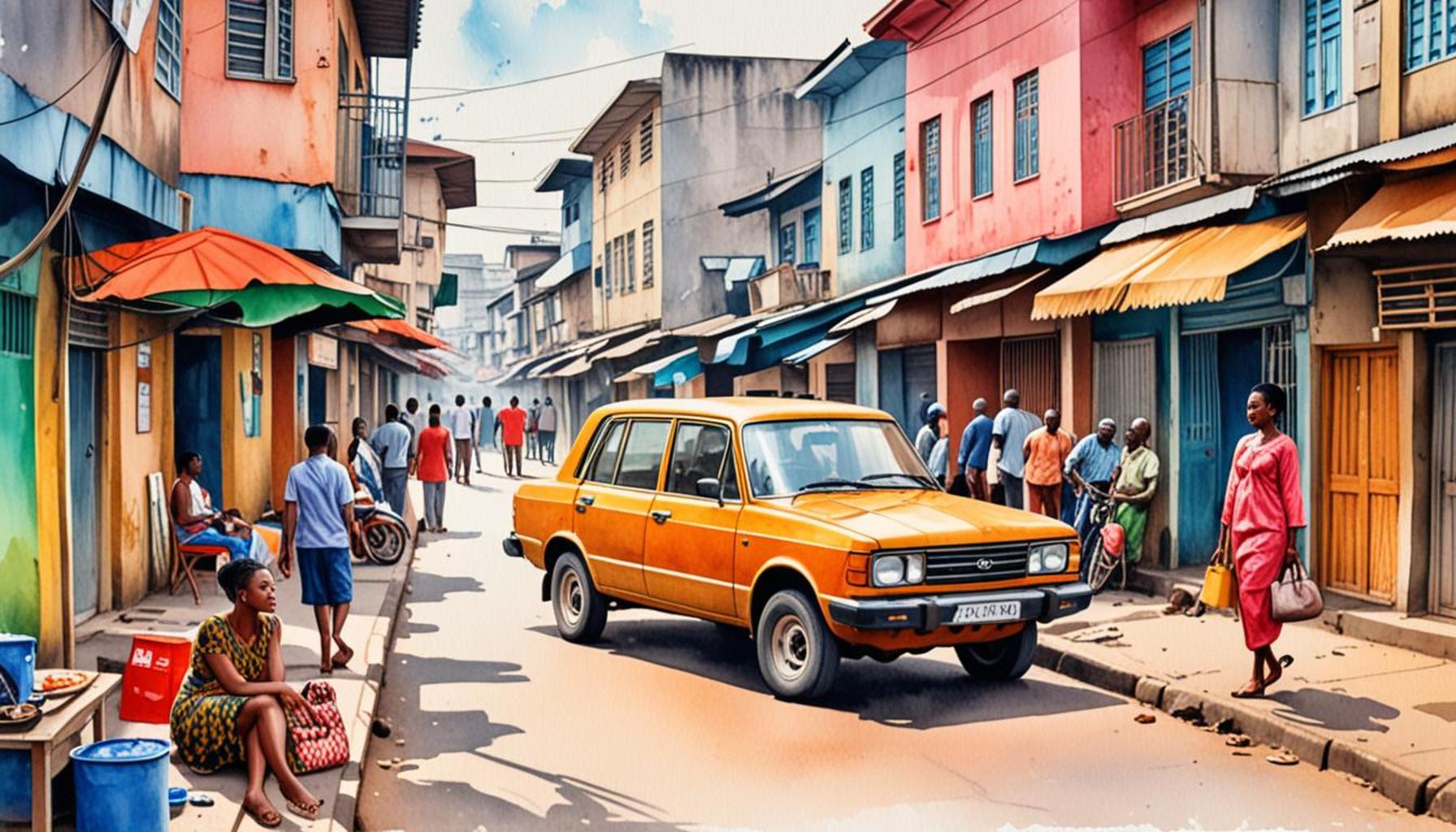
Street photography serves as a powerful medium for documenting the rhythm of daily life in Nigeria’s urban centers. Every moment, whether it involves a vendor haggling over price or children playing in the dusty streets, becomes a story to tell through the lens. This art form is not merely about taking photographs; it’s about exploring and communicating the spirit of the people and their environments. With bustling cities like Lagos and serene towns like Enugu, street photography can convey the vibrancy present in both hectic and peaceful moments.
Diverse Cultures and Rich Traditions
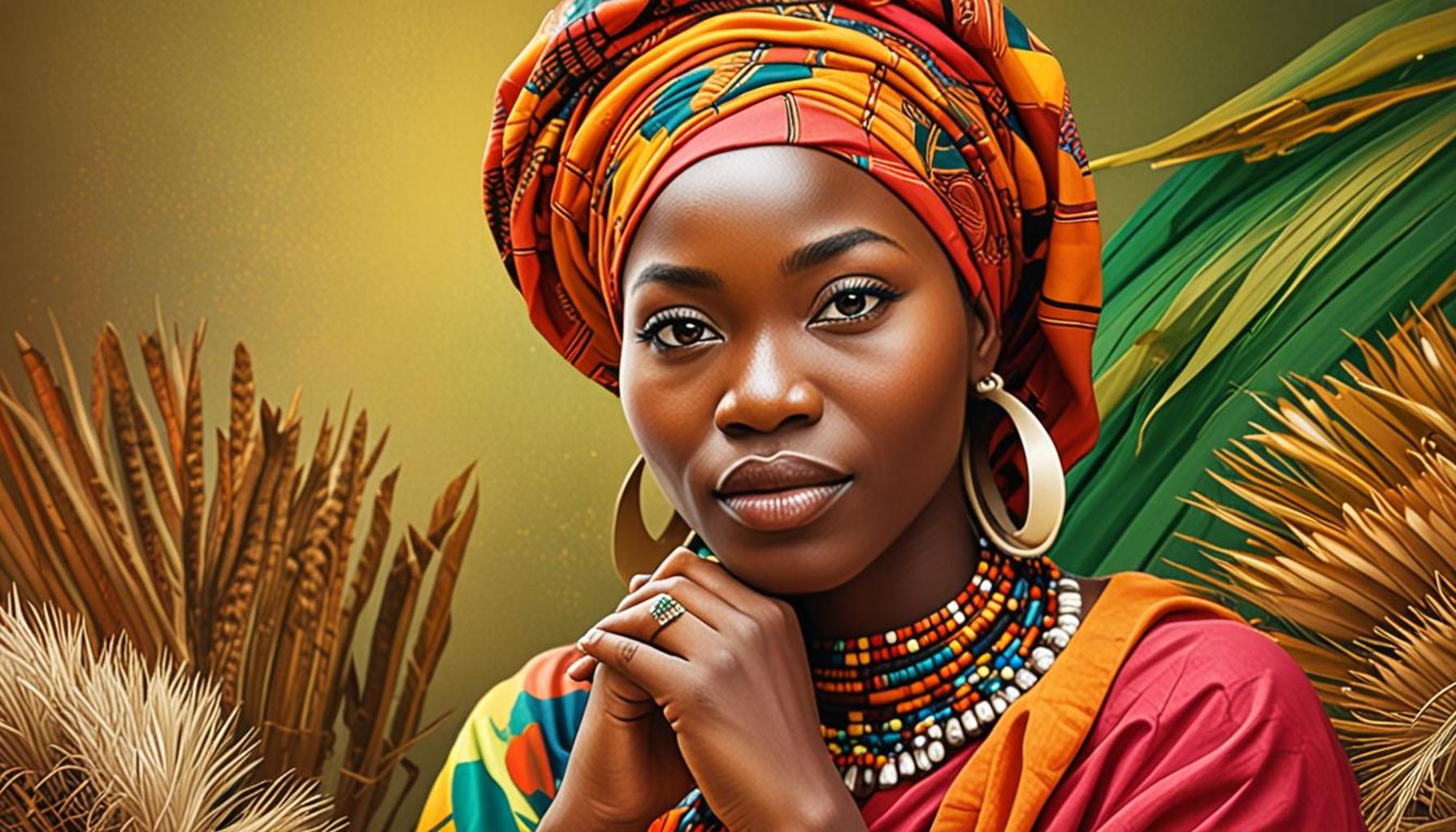
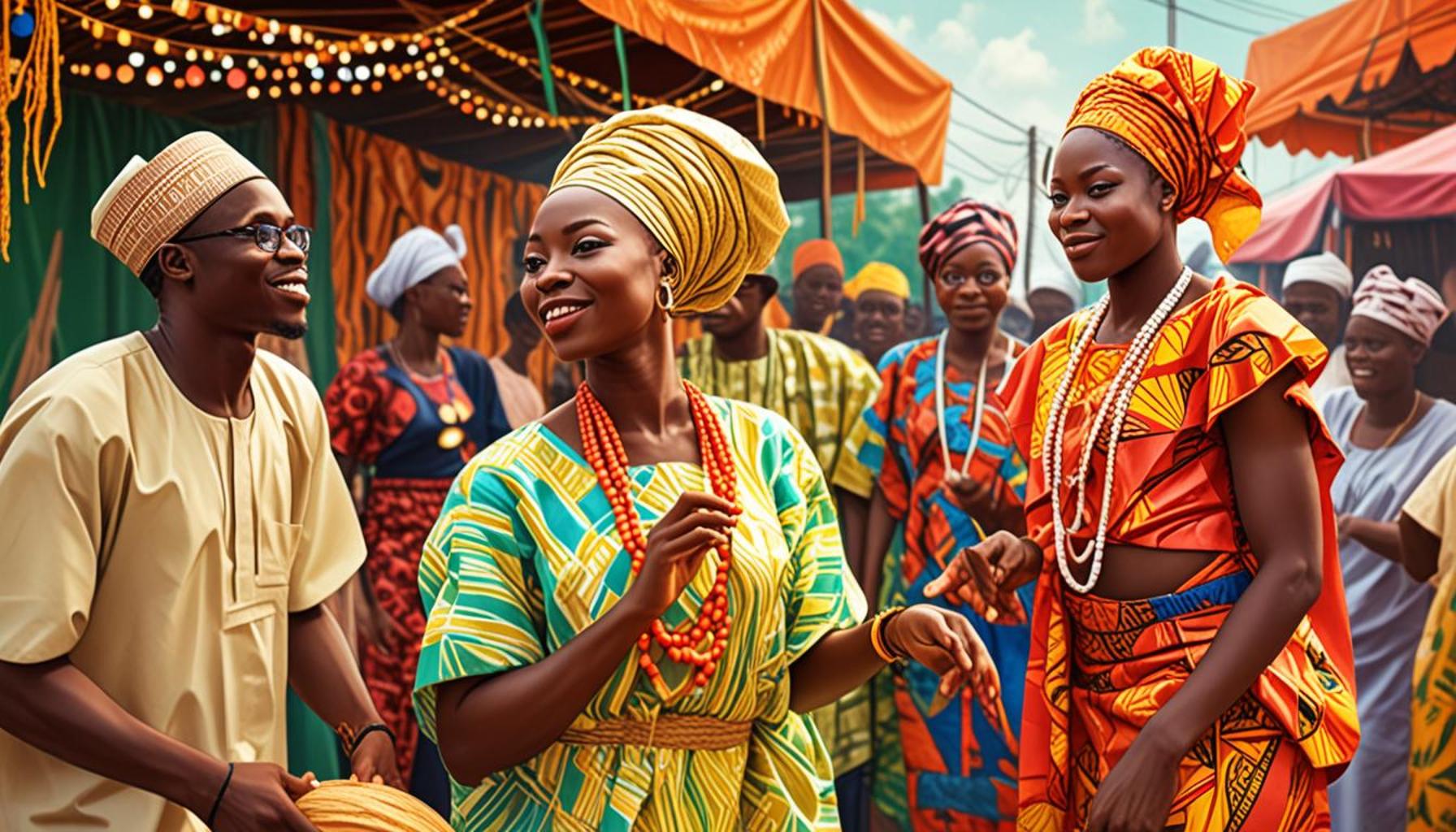
Nigeria is home to over 250 ethnic groups, each with its unique customs and traditions. When photographers roam the streets, they capture the essence of diverse cultures that define this nation. In cities such as Kano, photographers are greeted by traditional crafts, vibrant clothing, and lively festivals, showcasing the rich heritage of the Hausa and Fulani peoples. Meanwhile, in the Yoruba heartland of Lagos, photographers can document the rhythmic pulse of life, from cultural dances to colorful street art. Such diversity creates a rich tapestry of stories that appeal to both local and international audiences.
Vibrant Markets: A Photographic Wonderland
Markets like Balogun and Lekki Market are all about energy and dynamism, teeming with individuals engaged in exciting transactions. Capturing these vibrant markets allows photographers to explore a wealth of moments—from the expressions on sellers’ faces as they negotiate prices to the intricate details of fabrics and produce on display. The colors and sounds form a backdrop that is both overwhelming and captivating. Photographers can freeze these fleeting interactions in time, showcasing the hustle and bustle that characterize Nigerian life.
The Intersection of Urban and Historical Landscapes
Nigerian cities boast a fascinating architectural landscape, where modern buildings stand in harmony with historical structures. For example, the juxtaposition of skyscrapers in Lagos alongside colonial-era landmarks like the Nigerian National Museum creates compelling imagery. Street photographers can creatively capture these contrasts, symbolizing the rapid progression of change within the country, and providing a narrative of development that is both telling and visually striking.
<h3Themes to Explore in Street Photography
Beyond mere aesthetics, street photography allows for deep exploration into themes that resonate with society. By focusing on human interactions, photographers can bring to light the myriad connections that define communities, revealing both joy and sorrow. Whether it’s a shared laugh among friends or a moment of solitude amidst a crowd, these images depict the complexities of city life.
Moreover, social issues can be poignantly captured through this lens. Street photographers have the opportunity to reveal urban challenges such as poverty, unemployment, and housing shortages. These themes not only invite dialogue but also foster awareness around pressing societal matters.
Celebratory Events as Photographic Subjects
Nigeria’s festivals and events, such as the annual Lagos Carnival, provide a treasure trove of photographic opportunities. With their explosion of color, music, and dance, such celebrations allow photographers to capture the spirit of joy and unity inherent in Nigerian culture. The vibrancy of costumes and the passion of participants make for stunning images that showcase culture at its finest.
In summary, as street photography continues to rise in prominence, it emerges as an essential medium for storytelling and cultural expression. Through skillful observation and technique, photographers can communicate the living narratives of Nigeria’s cities, creating a visual history that contributes to a deeper understanding of the nation’s identity.
SEE ALSO: Click here to read another article
Capturing the Inhabitant’s Daily Narrative
Street photography in Nigeria is a reflection of the country’s vibrant culture, bustling environment, and the intimate stories of its citizens. From busy Lagos to quieter locales, every street corner and market stall has its own tale, waiting to be discovered by curious photographers. The goal is to convey the essence of everyday life—its nuances and peculiarities—through the lens of a camera, engaging viewers in a visual narrative that resonates with both local and global audiences.
A Study in Contrasts: Life on the Streets
Walking the streets of Nigeria, one can observe a rich tapestry of contrasts that speak volumes about social dynamics and cultural identity. In cities like Enugu, street photography often captures the dichotomy between traditional practices and modern lifestyles. For instance, a photographer may encounter a young entrepreneur selling handmade crafts beside a mobile banking station, encapsulating the blend of ancestral craft and contemporary financial solutions. This interplay highlights how Nigerians embrace both their heritage and the rapid advancements in technology, facilitating a unique visual record of their lives.
Essential Techniques in Street Photography
To make the most of street photography in Nigerian cities, aspiring photographers should keep several essential techniques in mind:
- Observation: Patience is key. Observing the flow of life before capturing an image allows photographers to anticipate moments that tell compelling stories.
- Connection: Engaging with individuals and communities can lead to deeper insights, allowing photographers to create more intimate portraits and candid shots.
- Lighting: Utilizing natural light—whether it’s the golden glow of sunrise or the vibrant hues of sunset—adds richness to photographs, enhancing their emotional resonance.
- Composition: Understanding compositional elements allows for better framing of subjects, making the final image more striking and impactful.
Everyday Interactions: The Heart of Street Life
Everyday interactions define the heart of Nigerian street culture. From bustling traffic scenes in Lagos that highlight the resilience of commuters to intimate scenes at local eateries where people gather over steaming plates of jollof rice, each moment counts. Street photographers have the unique opportunity to document these interactions, revealing the warmth, humor, and humanity present in daily life. It’s in these candid, unposed moments that the genuine spirit of Nigerians can be uncovered, often leading to powerful imagery that transcends basic photography.
The Role of Technology in Street Photography
As technology continues to evolve, so does street photography in Nigeria. The rise of smartphones has democratized photography, allowing even amateur photographers to capture high-quality images and share them instantly on social media platforms. This trend has led to a burgeoning community of street photographers who use their platforms to tell stories, advocate for social change, and share the beauty of Nigeria’s urban landscapes. Here, photography becomes more than an art form; it transforms into a digital archive of culture, encouraging others to explore and appreciate the vivid narratives found across the nation’s cities.
Undoubtedly, the art of street photography in Nigeria is a testament to the power of visual storytelling, celebrating life’s raw and authentic moments. By embracing this craft, photographers not only enrich their own experiences but also contribute to preserving the cultural identity and stories of contemporary Nigeria.
| Category | Description |
|---|---|
| Cultural Diversity | Nigeria is home to a myriad of ethnic groups, each with distinct traditions and lifestyles, creating a vibrant tapestry of life ideal for street photography. |
| Rich Urban Scenes | Street photography allows photographers to capture the dynamism of Nigerian cities, showcasing everything from bustling markets to serene street corners, enriching visual storytelling. |
| Human Connection | Engagement with locals provides an authentic perspective on everyday life in Nigeria, translating fleeting moments into powerful narratives. |
| Dynamic Lighting | Natural light in urban settings can enhance the mood of photographs, allowing for dramatic contrasts that highlight the beauty of everyday scenes. |
The art of street photography in Nigeria’s cities serves not only as a means of artistic expression but also as a platform for storytelling. Photographers harness the rich cultural nuances and shared human experiences to create images that resonate deeply with viewers. Whether it’s the vibrancy of a market or the serene moments found in bustling streets, each photo captures a piece of Nigerian life that invites further exploration. The spontaneous interactions between the photographer and subjects often create an electrifying dynamic that fuels the art form, pushing photographers to develop their unique visual voice while documenting the intricate details of urban existence.
YOU MAY ALSO LIKE: Read read another article
Visual Storytelling through Diverse Cultural Contexts
As street photographers navigate the rhythmic heartbeat of Nigeria’s urban spaces, they encounter a rich diversity of cultural contexts that significantly informs their work. Each city represents a convergence of unique customs, languages, and social interactions, providing a canvas that is both complex and inviting. For instance, in cities like Kano, photographers capture a blend of ancient traditions and changing modern ideologies. The vibrant markets, infused with the sounds of Hausa traders peddling their wares, offer endless opportunities to encapsulate the essence of Northern Nigeria’s culture, showcasing its distinct style within the broader narrative of the nation.
Festivals and Public Celebrations: Colorful Moments to Capture
Nigerian festivals provide street photographers with an opportunity to capture exuberant expressions of cultural identity. Events like the Osun-Osogbo Festival, celebrated in Osogbo, serve as a visual feast, with participants adorned in traditional attire, dancing and performing rituals passed down through generations. When photographers immerse themselves in such lively gatherings, they not only capture stunning imagery but also construct a story that honors the cultural significance of these celebrations. Utilizing the vibrant colors, dynamic movement, and collective energy of festival-goers creates a rich visual tapestry that speaks volumes about communal values and shared history.
The Influence of Street Art on Photography
Street art has emerged as a powerful medium for storytelling in urban Nigeria, influencing the landscape that street photographers aim to capture. Murals and graffiti not only beautify the environment but often convey powerful messages about social justice, identity, and the struggles faced by the youth. Locations such as the Art Twenty One in Lagos have become hotspots for both street artists and photographers, offering compelling visuals that reflect societal narratives. Capturing these vivid artworks alongside the stories of the people navigating these streets creates a multi-dimensional portrayal of life, highlighting the interplay between artistic expression and everyday experiences.
Ethical Considerations in Street Photography
While capturing candid moments in public spaces, it’s crucial for photographers to navigate ethical considerations with care. Gaining consent, respecting personal boundaries, and being aware of the context around images taken of individuals are aspects that contribute to responsible photography. Engaging in conversations with subjects fosters a sense of trust and deeper connection, often leading to more authentic portraits. Additionally, photographers must be sensitive to representing their subjects with dignity, ensuring that the images reflect their realities without exploitation. Documenting stories through a respectful lens reinforces the ethical backbone of street photography in Nigeria.
Fostering a Community of Street Photographers
The surge in interest surrounding street photography has birthed a supportive and enriching community among Nigerian photographers. Social media platforms such as Instagram are awash with hashtags like #NigeriaStreetPhotography and #NigerianPhotographers, enabling enthusiasts to share their work, exchange ideas, and learn from one another. Photographers organize meet-ups and workshops where they can hone their craft, critique one another’s work, and foster a deeper understanding of visual storytelling. This communal approach not only enhances individual skills but also cultivates a collaborative spirit that encourages diverse voices to contribute to the evolving narrative of street photography in Nigeria.
In summary, the art of street photography in Nigeria exposes raw moments intertwined with cultural contexts, celebrating the richness of everyday life while navigating the complexities of ethical interaction and community. As photographers engage with their subjects and the environment around them, they become integral storytellers of the urban experience, shining a light on the compelling narratives of Nigeria’s cities.
RECOMMENDED: Check out this similar article
Conclusion: Embracing the Soul of Nigeria through Street Photography
In exploring street photography as a vivid medium of visual storytelling, we unearth the dynamic narratives inherent in Nigeria’s cities. Street photographers serve a crucial role by not merely capturing images but by creating a profound understanding of the nuances within urban life, revealing everyday moments that resonate deeply with cultural values and identities.
The distinctive amalgamation of traditions, vibrant festivals, and the pulsating energy of public spaces add diversity to the street photography scene. As seen through the lens of a photographer, cities like Lagos and Kano become living canvases that reflect the ongoing dialogue between the past and present. With each captured moment—from the spirited Osun-Osogbo Festival to the thought-provoking street murals—photographers bring forward the essence of Nigerian culture, inviting viewers to appreciate the beauty in the seemingly mundane.
However, the responsible practice of street photography underscores the importance of ethical considerations. Photographers are tasked not only with depicting realities but also with respecting the dignity and privacy of their subjects. By establishing a sense of connection and trust, they contribute to portraying genuine stories that resonate across societies.
Moreover, the nurturing of a vibrant community among photographers encourages an exchange of creativity and knowledge, enhancing the landscape of street photography in Nigeria. With various platforms enabling collaboration, both budding and established photographers continue to contribute their unique perspectives. As this community grows, it paves the way for a richer tapestry of visual narratives that are as captivating as they are educational.
In conclusion, street photography in Nigeria encapsulates the spirit of everyday life, creating a visual dialogue that elevates urban narratives and cultural expressions. As more photographers take to the streets with their cameras, they not only document fleeting moments but also become custodians of stories that unite and inspire future generations.