DIY to Create Custom Board Games with Recycled Materials
Harnessing the Potential of Recycled Materials
In today’s society, where environmental consciousness is paramount, transforming everyday waste into engaging board games offers a truly unique approach to leisure and creativity. The art of making custom board games from recycled materials not only provides expansive entertainment options but also aligns perfectly with the increasing demand for sustainable practices. This DIY method presents an opportunity to engage not just the mind but also the hands, allowing for a wonderfully immersive crafting experience.
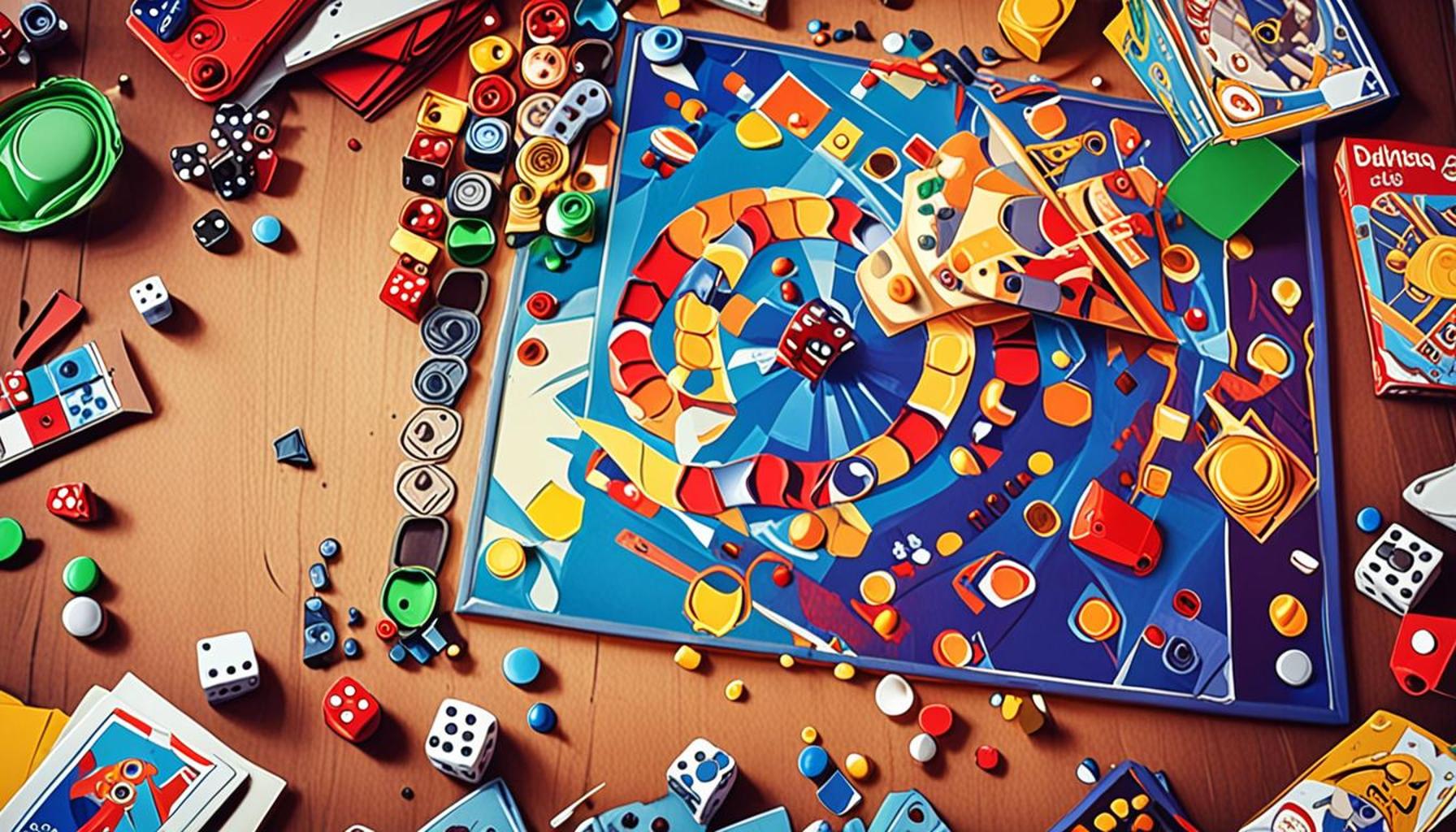
Consider the imaginative possibilities when you start to look at common household items as potential game components. For instance, cardboard boxes can easily be repurposed into vibrant game boards. By using markers, paints, or even remnants of wrapping paper, you can design intricate pathways, landscapes, or thematic settings, transforming a simple box into an engaging playing field. Moreover, plastic bottle caps – often discarded after enjoying a drink – can serve as the perfect pieces for a variety of games, ranging from checkers to unique designs of your own creation. Through paint or stickers, these caps can take on identities that contribute to the game’s theme, making each piece integral to gameplay. Additionally, you can utilize old newspapers not only to create game cards but also as a source for educational trivia, recycling facts, or illustrations that can provoke conversation and strategic thinking among players.
The process of creating your board game can foster a collaborative environment, especially when shared with family or friends. Imagine a weekend filled with brainstorming sessions and laughter as you design, build, and play together. This communal experience strengthens bonds and enhances communication skills, all while instilling the principles of recycling in younger generations. By actively participating in these projects, children in Nigeria can develop a deeper understanding of their responsibility toward the environment, learning how fun can also be sustainable.
For those who may feel daunted by the thought of starting a DIY project, rest assured that there are countless examples online that can serve as inspiration. Whether you draw from traditional Nigerian games like “Ludu” or innovate with modern twists, the possibilities are endless. Every game crafted is a unique expression of creativity and imagination. So, gather your materials, rally your friends or family, and explore the myriad of options at your fingertips. Dive into the adventure of creating delightful board games that not only entertain but also contribute positively to our planet.
SEE ALSO: Click here to read another article
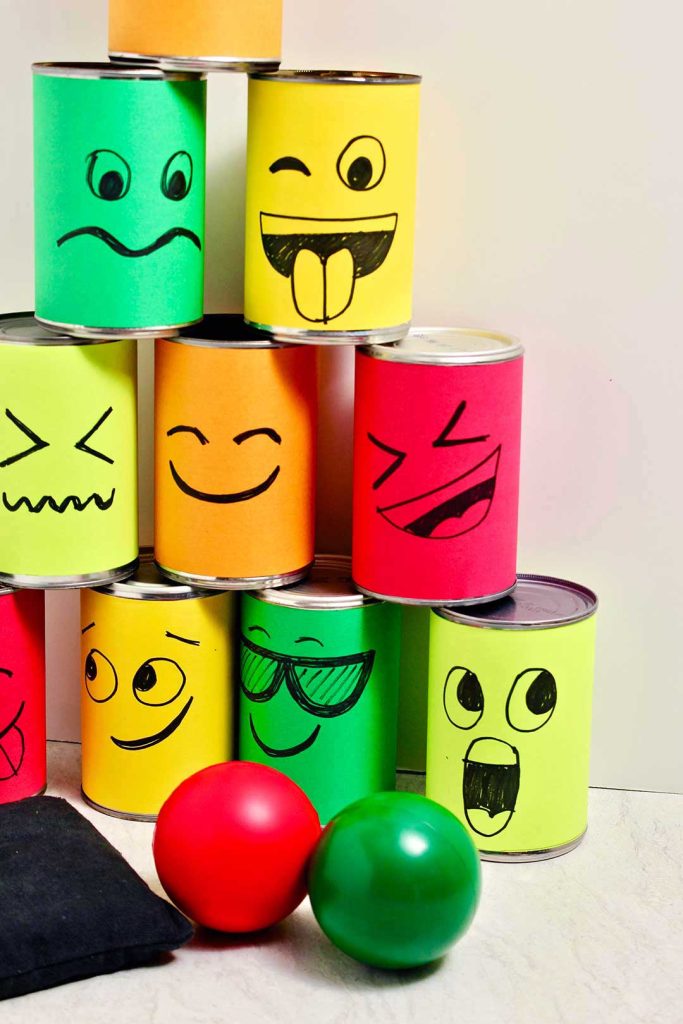
Inspiring Creativity Through Customization
Creating your own board games from recycled materials is not only an environmental initiative but also a canvas for unlimited creativity. The journey begins with identifying materials you already have at home. This can include anything from cereal boxes and old decks of cards to empty containers and fabric scraps. By repurposing these items, you not only reduce waste but also contribute to crafting a unique gaming experience that reflects your personality and creativity.
When it comes to designing your game, start by brainstorming themes that resonate with you and your intended audience. Popular themes in Nigerian culture, such as agriculture, traditional folklore, or local festivals, can be great sources of inspiration. Incorporating these elements into your game can facilitate a stronger connection with players and allow them to learn more about their heritage while having fun. A game inspired by the annual Durbar festival or based on local craft markets can engage players and educate them about the richness of Nigerian culture while emphasizing the importance of sustainability.
Once you have decided on a theme, begin constructing the components of your game. Here are some suggestions for materials to consider:
- Cardboard: Ideal for creating game boards, player cards, and scoring sheets.
- Plastic Containers: Great for housing game pieces or serving as bombs and traps in strategy-based games.
- Caps: Recycle bottle caps as player tokens, adding uniqueness while keeping costs low.
- Scrap Paper: Perfect for crafting trivia cards, question prompts, or instruction manuals.
As you start building your game, it is crucial to keep gameplay in mind. Will it be competitive or collaborative? What age group are you targeting? These questions will guide your design process. Engaging younger players with educational aspects, like simple math or ecological facts, can enhance their learning experience while allowing them to enjoy the thrill of competition. Think of ways to integrate these elements strategically, such as requiring players to answer trivia questions about recycling before they can advance in the game.
In Nigeria, the emphasis on community and togetherness highlights the enriching experience of creating and playing board games together. This DIY approach not only promotes family bonding but also enhances critical thinking and problem-solving skills, essential aspects of cognitive development. By collaborating on a board game project, children can apply creativity and logical reasoning while gaining a sense of accomplishment upon completion.
Furthermore, the process of gathering materials and making a board game can serve as a fantastic opportunity to educate children about the significance of recycling, stewardship, and resourcefulness. By bringing attention to environmental awareness, we create a generation that values sustainability and creativity in their leisure activities. The act of creating becomes itself a lesson on how to view the world around them and the resources available for innovative expression.
Engaging Creativity with Recycled Materials in Board Game Design
Creating custom board games from recycled materials offers a unique opportunity to engage both kids and adults in the world of design and creativity. Imagine transforming everyday items like cardboard boxes, bottle caps, and old magazines into captivating gameplay elements. This not only promotes environmentally friendly practices but also stimulates imagination. The process of crafting a board game can be as entertaining as playing it! Families can spend quality time together while learning valuable skills such as problem-solving, design thinking, and teamwork.
One of the major benefits of DIY board games is the ability to tailor them according to your needs and preferences. Have a favorite movie or book? You can create a game based on those themes using discarded materials. This personalization fosters a deeper emotional connection to the game and enhances the overall experience. Plus, it’s an excellent way to introduce educational elements, such as math and vocabulary, in a fun, interactive format.
| Advantages | Details |
|---|---|
| Fosters Creativity | Allows players to craft unique designs using recycled items. |
| Educational Value | Encourages learning through gameplay and hands-on activities. |
Additionally, creating your own board games can be an economical solution. Instead of purchasing expensive games that may only be played a few times, you can utilize materials you already have at home. Hosting game nights becomes not just about fun, but also a chance to showcase your creativity while being eco-friendly.
ADDITIONAL INSIGHTS: Expand your understanding here
Essential Tips for Designing and Playing Your Custom Game
As you embark on the exciting adventure of creating custom board games from recycled materials, several tips will enhance your design process and gameplay experience. An essential rule of thumb is to maintain simplicity in your game mechanics. While it can be tempting to create an intricate system, especially when inspired by popular commercial games, simplicity often leads to more enjoyable gameplay — especially for younger players. Strive for a balance between fun and complexity, ensuring that your game is accessible to everyone involved.
Consider incorporating various roles or characters within the game. This adds depth to the gameplay and keeps players engaged. For example, in a game inspired by the cultural significance of sankofa – a concept in Ghanaian culture that encourages retracing one’s steps – players can take on the role of different animals or historical figures within the game narrative. Using recycled paper and cardboard, you can create character cards that players can decorate or modify, giving each individual a chance to add their own unique touch.
Establishing clear rules is crucial for a smooth experience. Write down the game rules on a recycled piece of paper, being sure to include examples to clarify complex concepts. Consider creating visual aids using drawings or photographs from magazines, which can make the instructions more exciting and relatable. Using vibrant visuals alongside written explanations will help players of varying ages retain critical game information.
For the design aspect, it is advisable to playtest your game multiple times before finalizing it. Gather family and friends for a game night to really get a feel for the mechanics and overall enjoyment. Watch how players interact with the game dynamics. Do they find it too easy or too difficult? Is there something they particularly enjoy or dislike? Feedback is invaluable when building your custom board game, and adjustments can be made based on real-world play.
When it comes to promoting environmental consciousness within your game, consider integrating challenges that require recycling or repurposing in real life, inspiring players to think beyond the board. For example, if you’re designing a game based on like Nigerian wildlife conservation, players can earn points by completing tasks related to environmental care, like identifying local endangered species or proposing sustainable practices in their communities. This can help reinforce positive behaviors and broaden the conversation around conservation.
Digital tools also provide an exciting avenue to enrich your custom game experience. Several free design software programs and mobile applications allow you to translate your physical board game into a digital format, offering a broader avenue of multiplayer experiences. Those who prefer a hybrid approach can create a physical game while crafting additional virtual elements, like online leaderboards, that fit seamlessly with their custom board game. This integration can attract a younger generation that thrives in digital spaces, ultimately expanding the reach of your DIY game.
Finally, remember that the primary goal of creating your custom board game is to foster creativity, connection, and fun. Regardless of the outcome, every crafted piece will tell a unique story, representing your values and the shared experiences of those playing. These games forged from recycled materials will help spark joy while promoting environmental consciousness, an essential lesson for future generations.
SEE ALSO: Click here to read another article
Unlocking Creativity and Sustainability
In conclusion, the journey of creating custom board games with recycled materials is not only a chance to unleash your creative potential but also a powerful way to promote sustainability in your community. By utilizing everyday items that might otherwise be discarded, you can craft engaging games that reflect cultural themes, educate about the environment, and foster social interactions. This DIY approach encourages players to see value in what’s often overlooked, turning waste into wonderful experiences.
The process of designing your custom game offers invaluable opportunities for learning and growth, from understanding game mechanics to enhancing teamwork and communication skills. Celebrating cultural richness can be seamlessly woven into the gameplay, allowing players to explore themes such as tradition, history, and environmental conservation. This can be particularly relevant in Nigeria, where various local narratives can inspire unique gameplay experiences that resonate deeply with the players.
As you transform recycled materials into a functional and enjoyable game, the benefits extend beyond mere entertainment. The effort you put into crafting and playtesting solidifies connections with family and friends. More importantly, it instills a mindset of sustainability, urging each player to consider their role in protecting the environment. So gather your materials, tap into your imaginative spirit, and embark on this rewarding adventure. The world of DIY board games awaits, and your creations could inspire not just fun, but a movement towards greater ecological awareness!