
Digital Minimalism: Optimizing Your Virtual Space to Increase Productivity

Embrace the Clarity of Digital Minimalism
In a world overflowing with digital distractions, the concept of digital minimalism emerges as a beacon for those seeking clarity and efficiency. It encourages us to streamline our virtual environments to foster greater focus and productivity. With our screens flooded by notifications, emails, and endless social media updates, finding a way to optimize this chaos is essential.
Understanding Digital Minimalism
At its core, digital minimalism is about intentionally curating your online experiences. Here are a few key principles to keep in mind:
- Selective Technology Use: Choose only the tools that serve your goals. For instance, if you are a writer, consider using focused writing software that minimizes distractions, rather than dabbling with multiple platforms that take your attention away from your craft.
- Declutter Your Devices: Remove unused apps and files that hinder productivity. Regularly reviewing and uninstalling apps that you haven’t used in months can help speed up your devices and keep your mind clear.
- Create Boundaries: Set specific times for checking emails and social media. Allocating just 30 minutes a day to catch up on social media can drastically reduce the impulse to check your phone constantly, steering you toward a more focused work environment.
By implementing these principles, individuals can transform their virtual spaces into productivity havens. Studies show that minimizing distractions can lead to a remarkable increase in work efficiency. For example, research from the American Psychological Association indicates that frequent interruptions can increase the time it takes to complete tasks by up to 25%. Therefore, prioritizing digital minimalism is not just a lifestyle choice but a practical strategy for improving overall performance.
Why It Matters
In the United States, where the average adult spends over 11 hours a day interacting with screens, optimizing our virtual spaces has never been more crucial. This staggering amount of screen time can often lead to feelings of anxiety and burnout. Adopting a minimalist approach not only improves productivity but also contributes to mental well-being. For instance, a survey by Pew Research found that 57% of Americans feel overwhelmed by the amount of information they receive daily. This highlights the urgent need to foster environments that cultivate mental clarity.
Are you ready to reclaim your time and attention by embracing digital minimalism? Consider starting with small changes such as limiting notifications, tidying up your digital workspace, and prioritizing quality over quantity in the tools and information you consume. As you dive deeper into digital minimalism, you’ll discover that a clearer virtual space can lead to a more focused mind and, ultimately, a more fulfilling life.
DISCOVER MORE: Click here to dive deeper
Strategies for Implementing Digital Minimalism
To effectively embrace digital minimalism, one must incorporate practical strategies that help reduce digital clutter and enhance productivity. By honing in on specific techniques, individuals can experience a more organized and streamlined virtual workspace. Here are several actionable strategies to get you started:
- Establish a Clear Digital Routine: Creating a daily routine around your digital activities can set a sense of purpose. Whether you dedicate the first hour after waking up to creative pursuits or reserve the hour before bed for reflection and decluttering, a schedule can help maximize productivity while minimizing unnecessary multitasking.
- Utilize Productivity Tools Wisely: Productivity apps can be a double-edged sword. While some tools are designed to help you stay organized, an excess may lead to overwhelm. Focus on using a select few tools that align with your objectives. For instance, choose one project management tool to track tasks and deadlines instead of juggling several different applications that steal your attention.
- Implement Time-Blocking Techniques: Time-blocking involves allocating specific chunks of time to tasks. This approach not only enhances focus but also creates a visual map of your day. Schedule blocks for deep work sessions, breaks, and even time spent catching up on emails and social media, ensuring a balanced day that prevents digital fatigue.
These strategies can aid in crafting a more discerning and intentional relationship with technology. According to a report published by the International Journal of Human-Computer Interaction, individuals who practice digital minimalism report a 42% increase in their ability to concentrate on important tasks. Such a statistic demonstrates the tangible benefits of an intentional digital lifestyle.
Streamline Your Communications
In our hyper-connected world, communication overload can be a significant productivity killer. The influx of emails, messages from various platforms, and incessant notifications can fragment your attention and hinder your ability to focus. To combat this, consider the following:
- Consolidate Communication Channels: Limit the number of platforms you use for communication. Opt for a single email account, a primary messaging app, and a preferred social network to centralize interactions. This can reduce unnecessary interruptions and foster more meaningful exchanges.
- Enable Do Not Disturb Features: Utilize the ‘Do Not Disturb’ function on your devices during designated work periods. This feature temporarily silences notifications, enabling you to remain immersed in your tasks without the constant pull of incoming alerts.
- Practice Asynchronous Communication: Encourage communication that does not require immediate responses. Instead of expecting instant replies, foster an atmosphere where team members can reply at their convenience. This strategy not only decreases stress but also respects everyone’s time, cultivating an efficient work environment.
With communication at the heart of modern productivity, adopting these measures can lead to a significant transformation in how we interact with our digital world. As you implement these strategies of digital minimalism, you’ll likely find that a more defined structure leads to enhanced focus, reduced stress, and ultimately greater productivity in both your professional and personal life.
| Advantage | Impact on Productivity |
|---|---|
| Simplified Digital Environment | Eliminates distractions, allowing for better focus on tasks. |
| Enhanced Time Management | Prioritizes tasks effectively, leading to more efficient completion of projects. |
Incorporating digital minimalism in your daily routine can transform your approach to productivity. One of its primary advantages is the creation of a simplified digital environment. By reducing digital clutter, individuals can effectively eliminate distractions, creating an optimal workspace conducive to focusing on essential tasks. This environment fosters deeper engagement and enhances overall performance.Moreover, digital minimalism promotes enhanced time management skills. By prioritizing tasks and focusing on what truly matters, individuals can observe significant improvements in how efficiently they complete projects. The deliberate organization of digital tools helps streamline workflows, making it easier to achieve daily goals. This intentional approach not only boosts productivity but also nurtures a sense of accomplishment and clarity, driving continued motivation. Embracing these principles can lead to a transformative shift in how you navigate your virtual space, ultimately yielding substantial benefits in your work and beyond.
DON’T MISS: Click here to discover effective strategies
Declutter Your Digital Devices
Another critical aspect of digital minimalism is the decluttering and organization of your digital devices. Just as a tidy physical workspace can enhance productivity, a clean digital environment is equally vital. Here are effective methods to achieve this:
- Organize Files and Folders: Spend some time reviewing and organizing your files. Create a hierarchy of folders that mirrors your work and personal projects. Consider using descriptive names for both files and folders to minimize time spent searching. For example, you might have folders labeled “Reports,” “Presentations,” and “Financial Records” to streamline navigation.
- Uninstall Unused Applications: Regularly audit the applications on your devices. Identify and remove those that you rarely or never use. Each additional app can distract you and clutter your desktop or home screen, taking up valuable mental space. Aim for a minimalist approach—only keep apps that are essential to your daily work and life.
- Utilize Cloud Solutions: Leverage cloud storage platforms to declutter your physical devices. By shifting files to services like Google Drive, Dropbox, or Microsoft OneDrive, you free up storage space while maintaining easy access to important documents. Cloud solutions also provide the added benefit of secure backups, ensuring peace of mind with your data.
Research shows that reducing digital clutter can enhance decision-making capabilities by up to 30%. When the mind is not bombarded by countless distractions and choices, clearer thinking emerges. This can lead to more effective problem-solving and creativity in your work.
Reevaluate Your Digital Intake
In a world inundated with information, it’s essential to take a mindful approach to what we consume, especially regarding news and social media. The constant stream of content can lead to information overload, contributing to distraction and disengagement from meaningful tasks. Here are several suggestions to reevaluate your digital intake:
- Limit News Consumption: Designate specific times to catch up on the news, rather than allowing updates to interrupt your day. Subscribing to a trusted news source’s digest can help minimize exposure to sensationalist headlines and provide a more curated view of global events.
- Curate Social Media Feeds: To prevent endless scrolling, take time to review who you follow on social media. Unfollow accounts that do not contribute to your happiness or productivity. Consider using features on social platforms to mute or limit notifications from less relevant connections.
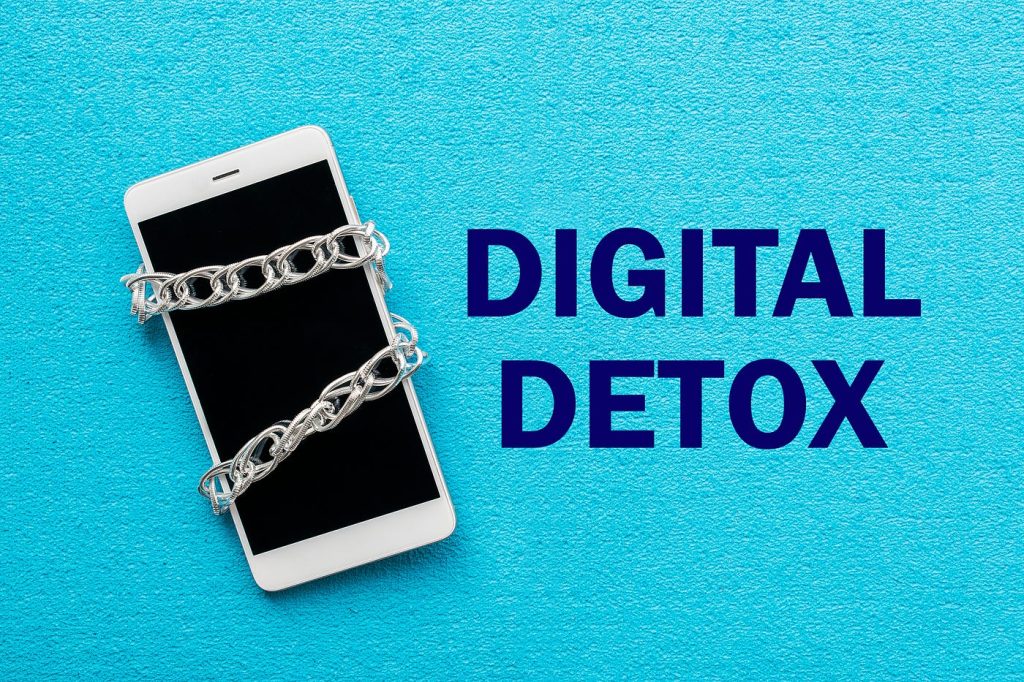
- Engage in Digital Detoxes: Schedule regular digital detoxes to disconnect from technology altogether, even if only for a day or a weekend. This practice allows your mind to reset, improves mental clarity, and reinforces the importance of the present moment without digital distraction.
Studies suggest that individuals who actively manage their consumption of digital content report increased feelings of well-being and lower levels of anxiety. By engaging in mindful consumption practices, you foster a more intentional relationship with technology, directly increasing sustainability in your productivity levels.
Harness Automation and Systemization
To truly optimize your virtual space for productivity, consider integrating automation into your workflows. Automating routine tasks minimizes cognitive load, allowing you to focus on higher-value work. Here are some approaches to adopt:
- Utilize Task Automation Tools: Explore platforms like Zapier or IFTTT to connect different applications and automate repetitive tasks. For example, you can automate the sharing of your new blog posts on social media or set up automatic reminders for important deadlines.
- Set Up Email Filters: Create filters in your email client to sort incoming messages into designated folders automatically. This approach helps keep your inbox uncluttered and allows you to focus on priority emails without distractions.
- Schedule Regular Backups: Automate your backups to ensure a secure and organized digital space. Regular backups can protect your data and clear up space on your devices, ensuring everything is in its right place.
By embracing automation, you can streamline your workflows and reclaim precious time to devote to meaningful projects, ultimately leading to an enhanced digital minimalist lifestyle and improved productivity.
DISCOVER MORE: Click here to find your path to a calmer life
Conclusion
In a rapidly evolving digital landscape, the practice of digital minimalism emerges as a vital strategy for enhancing productivity and improving overall well-being. By intentionally managing our digital devices, we create a workspace that fosters clarity and focus. The process of decluttering your digital environment—from organizing files and uninstalling unused applications to utilizing cloud storage—ensures that distractions are minimized, allowing for greater mental capacity to engage with core tasks.
Equally important is the need to reevaluate our digital intake. With an overabundance of information at our fingertips, consciously limiting exposure to news and curating social media feeds can shield us from information overload, fostering a healthier relationship with technology. Furthermore, engaging in regular digital detoxes not only recalibrates our mental states but also empowers us to regain control over our time and attention.
Integrating automation and systemization into our workflows stands as a transformative approach to productivity. By automating repetitive tasks and organizing communication more effectively, we can free ourselves from the cognitive burden that often hampers creativity and innovation. Ultimately, embracing digital minimalism is more than merely cutting down on tools—it is a holistic shift towards intentional living, ensuring that technology serves us rather than distracts us.
As we navigate the complexities of our virtual lives, adopting these practices will not only optimize our digital spaces but also unlock our potential to achieve more meaningful outcomes in our work and personal lives. In this era where less truly can be more, the principles of digital minimalism invite us all to reflect, refine, and reinvent our interactions with technology.