
Designing a Minimalist Home: Efficient Systems for Space Optimization
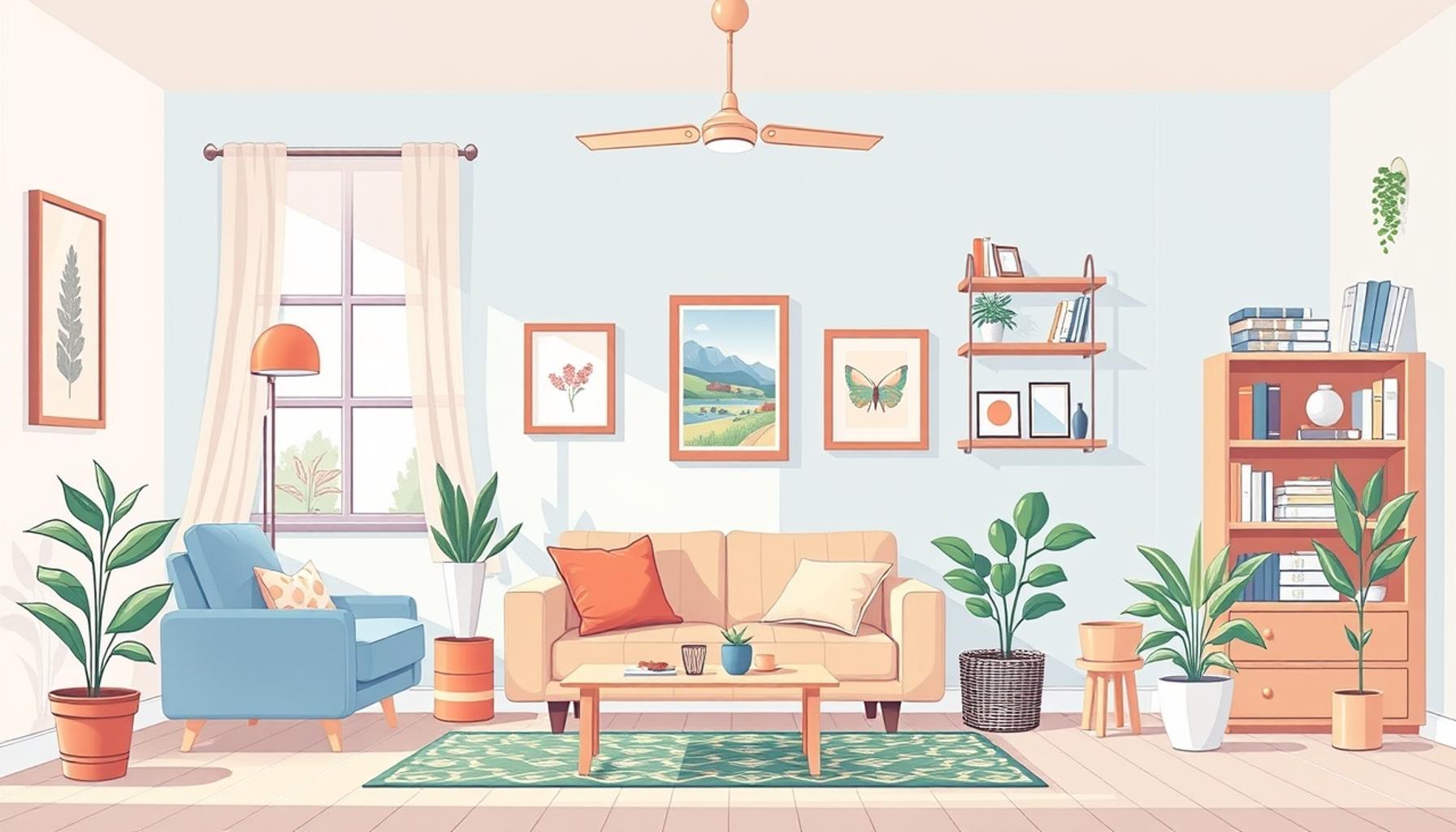
Efficient Solutions for Space Optimization
In today’s fast-paced world, designing a minimalist home has transcended being a mere trend; it has evolved into a necessity for many individuals aiming to cultivate a simpler, more organized lifestyle. The act of decluttering is not just about eliminating physical items; it’s about fostering a mental clarity that can lead to a more focused and productive life. By embracing minimalism, homeowners are not just redesigning their spaces but also reshaping their interactions with the world around them.
At the core of minimalism is a focus on efficient systems that harmonize form and function. This concept revolves around several key elements that make a significant difference in how spaces are utilized:
- Thoughtful furniture choices that maximize utility not only enhance aesthetics but also ensure that every piece serves a clear purpose. For example, a coffee table that doubles as a storage unit not only provides a surface for drinks but also keeps magazines and remote controls neatly tucked away.
- Smart storage solutions are crucial in maintaining organization in a minimalist home. Built-in shelving, under-bed storage, and decorative baskets can transform even the smallest spaces, making the most of every nook and cranny.
- Open floor plans promote enhanced airflow and light, creating an airy feel that can make even small apartments feel spacious. This design can be observed in many modern homes across the United States, where kitchen, living, and dining spaces blend seamlessly together.
Many homeowners are discovering how a minimalist lifestyle not only contributes to a more serene environment but also boosts productivity. As a result, space optimization techniques are becoming increasingly popular. Key methods include:
- Investing in multifunctional furniture such as sofa beds or extendable dining tables that adapt to varying needs, allowing homeowners to host gatherings without the burden of excessive furniture.
- Utilizing vertical storage options like wall-mounted shelves and over-the-door organizers to draw attention upwards, which creatively frees up floor space while enhancing the decor.
- Implementing decluttering practices that focus on quality over quantity, encouraging individuals to keep only what is essential and meaningful. For example, the “Marie Kondo method” encourages keeping items that spark joy, leading to a more curated living environment.
Adopting these principles of minimalism can lead to not just a beautifully designed space but also a marked improvement in daily living. As you explore the myriad of ways to embrace a minimalist lifestyle, consider how these strategies may transform your own living experience. Whether you live in a bustling city apartment or a suburban home, the principles of minimalism and space optimization can lead to greater harmony and well-being in your everyday life.
DISCOVER MORE: Click here for essential tips on decluttering and organizing
Crafting Functional Spaces
When delving into the realm of designing a minimalist home, it becomes clear that the essence lies in crafting functional spaces that eliminate the unnecessary while emphasizing simplicity and purpose. Minimalism is not just a design aesthetic; it is a lifestyle choice that advocates for a holistic approach to living. By focusing on efficient systems, homeowners can transform their spaces into sanctuaries of calm that accommodate both daily living and the occasional gathering of friends and family. The integration of innovative elements allows for maximized utility without sacrificing style.
One of the most notable trends in creating a minimalist home is the incorporation of multifunctional spaces. These are areas designed to serve multiple purposes, shifting from one function to another seamlessly. Spaces that can transition from a workspace to an entertainment area encourage versatility: a dining table that can double as a workspace during the day allows residents to adapt their environment according to their needs. Additionally, this flexibility fosters a sense of community in smaller homes, allowing for more shared experiences without the complication of excessive furniture.
As you consider the principles of space optimization, it is essential to recognize the impact of color and light. A light color palette not only enhances the perception of space but also reflects natural light, creating an inviting atmosphere. The right colors can make a small room feel larger and more airy; for instance, soft whites, light grays, and pastel hues can open up darker corners and bring warmth into the space. In woven designs, textures play an equal role, where subtlety in fabric can add depth while remaining uncluttered.
Another crucial component is the strategic use of space-saving furniture and design elements. Custom designs can often offer solutions tailored to a specific room layout. Consider the addition of built-in seating or benches that provide storage while maintaining a clean aesthetic. By adopting elements such as foldable chairs or tables that can be easily stowed away when not in use, residents keep their homes clear, versatile, and easy to navigate.
Implementing visual continuity through consistent use of materials, colors, and finishes also enhances the minimalist approach. This concept of unity avoids visual clutter and creates a cohesive look across the home. For example, choosing wooden elements in cabinetry or flooring that align with other furnishings fosters an overall tranquility that aligns with minimalist values. By employing these thoughtful strategies, homeowners not only create aesthetically pleasing environments but also set the stage for an organized and decluttered mindset.
The journey into minimalist design is an evolving one, where every decision counts toward creating space for what truly matters. Understanding how to optimize spaces while aligning with your lifestyle is crucial in both design and functionality. As this article progresses into more specific systems and techniques for space optimization, you will discover the myriad benefits that a minimalist home can provide to your life.
| Category | Description |
|---|---|
| Space-Saving Furniture | Furniture that serves multiple purposes provides enhanced utility and maximizes limited space. |
| Open Floor Plans | Encourages airflow and light distribution, creating the illusion of a larger space. |
| Vertical Storage Solutions | Maximizes wall space with shelves and cabinets, perfect for organizing without overcrowding. |
| Minimalist Design | Simplifies living spaces, allowing for tranquility and ease of maintenance, essential for modern lifestyles. |
Discovering effective systems for space optimization will not only improve the functionality of your home but will also enhance your overall living experience. By understanding and incorporating such elements, you step into a world where elegance meets practicality, creating harmony within your living environment. Embrace the minimalist philosophy today!
DISCOVER MORE: Click here for essential tips on decluttering
Integrating Smart Technology
As technology evolves, smart home systems are becoming pivotal in the quest for a minimalist lifestyle. By integrating smart technology into the home, residents can streamline their daily routines and optimize their living spaces with remarkable efficiency. Smart thermostats, for instance, create a peaceful indoor atmosphere by adjusting heating and cooling based on individual preferences and occupancy levels. This not only enhances comfort but also promotes energy efficiency, allowing for a smaller carbon footprint—a core principle of minimalism.
Moreover, smart lighting systems equipped with sensors can automatically adjust to natural light levels and the time of day, ensuring that each room remains well-lit without overwhelming brightness. These lighting solutions can also be controlled via smartphone applications, allowing users to manage their environment effortlessly, further reducing clutter and enhancing ease of use. The ability to create various predefined lighting scenes for different occasions infuses a sense of dynamism into minimalist homes while maintaining a clean aesthetic.
Organization Strategies for a Clutter-Free Environment
Effective organization is fundamental to the minimalist ethos, with an emphasis on intelligent storage solutions. Hidden storage options, such as under-bed drawers or wall-mounted cabinets, can effectively free up floor space while keeping possessions easily accessible. The incorporation of vertical storage is particularly beneficial in smaller homes, utilizing wall space with shelving units or pegboards for a streamlined look that draws the eyes upward, making the room appear more expansive.
In addition, utilizing clear containers for organization can provide both functionality and visual clarity. Transparent boxes make it easy to see what’s inside without rummaging through clutter, promoting an orderly environment that aligns with minimalist principles. When paired with labels, these systems further reduce chaos and enhance accessibility. Not only do they create an enjoyable experience in locating items, but they also serve as visual reminders to declutter regularly and prioritize selective ownership.
- Decluttering: Regularly assess belongings to retain only what serves a purpose or brings joy.
- Minimalist Key Items: Invest in high-quality, necessary pieces that withstand time while still being practical.
- Seasonal Review: Implement a seasonal check-in to reassess belongings and ensure they still fit within the minimalist framework.
Nature-Inspired Design Elements
The incorporation of natural materials in minimalist homes plays a significant role in creating a serene environment. Utilizing materials such as wood, stone, and plant life not only brings warmth to an otherwise stark space but also harmonizes with nature, promoting tranquility. Large windows can be used to draw in natural light and create a seamless flow between indoor and outdoor areas. A well-positioned indoor plant can add vitality without overwhelming the senses, serving as a statement piece that represents the philosophy of minimalism—beauty in simplicity.
Furthermore, designing rooms with an open floor plan enhances both functionality and social interaction. This layout can facilitate natural movement within the home, ensuring that spaces are utilized effectively while avoiding isolation during gatherings. An open layout encourages family participation in daily activities, fostering a sense of togetherness that aligns perfectly with minimalist values.
This integration of technology, organization systems, and natural elements illustrates how thoughtfully planned components work cohesively to achieve optimal space within a minimalist framework. As further exploration continues throughout this discourse, the various systems of efficient space optimization reveal their true potential in redefining how we experience and interact with our surroundings.
DISCOVER MORE: Click here to transform your space
Conclusion
In conclusion, designing a minimalist home is not just about reducing clutter and creating a visually appealing space—it’s a comprehensive approach that integrates efficient systems for space optimization while enhancing the overall quality of life. By embracing smart technology, homeowners can create environments that adapt to their needs, allowing for increased comfort and energy efficiency. The thoughtful incorporation of intelligent organization strategies is equally essential, as it establishes a clutter-free atmosphere that encourages a more intentional lifestyle.
Moreover, the use of natural materials and design elements fosters a sense of harmony with the environment, transforming living spaces into tranquil sanctuaries. Open floor plans and versatile furniture arrangements not only maximize spatial efficiency but also promote togetherness and social interaction, essential components of a fulfilling life. As we reflect on these principles, it becomes clear that the minimalist philosophy extends beyond aesthetics; it invites us to rethink our relationship with possessions and our surroundings.
For those interested in optimizing their living environment, the journey towards minimalism offers a unique opportunity to prioritize quality over quantity. As you explore these strategies, remember that the ultimate goal is to create a space that resonates with your values and enhances your everyday experiences. Embrace the art of simplicity—where less truly becomes more.