Demystifying Decluttering: Practical Steps to Simplify Your Home

Reclaim Your Space: The Benefits of Decluttering
Every year, millions of Americans become overwhelmed by the sheer amount of stuff they accumulate. As possessions multiply in closets, drawers, and even on countertops, the question arises: how can we reclaim our spaces and lead a more fulfilling life? The answer lies in the act of decluttering, which goes beyond mere tidying up; it’s a transformative process that can ripple through many areas of your life.
There are several key aspects of decluttering that showcase its profound impact:
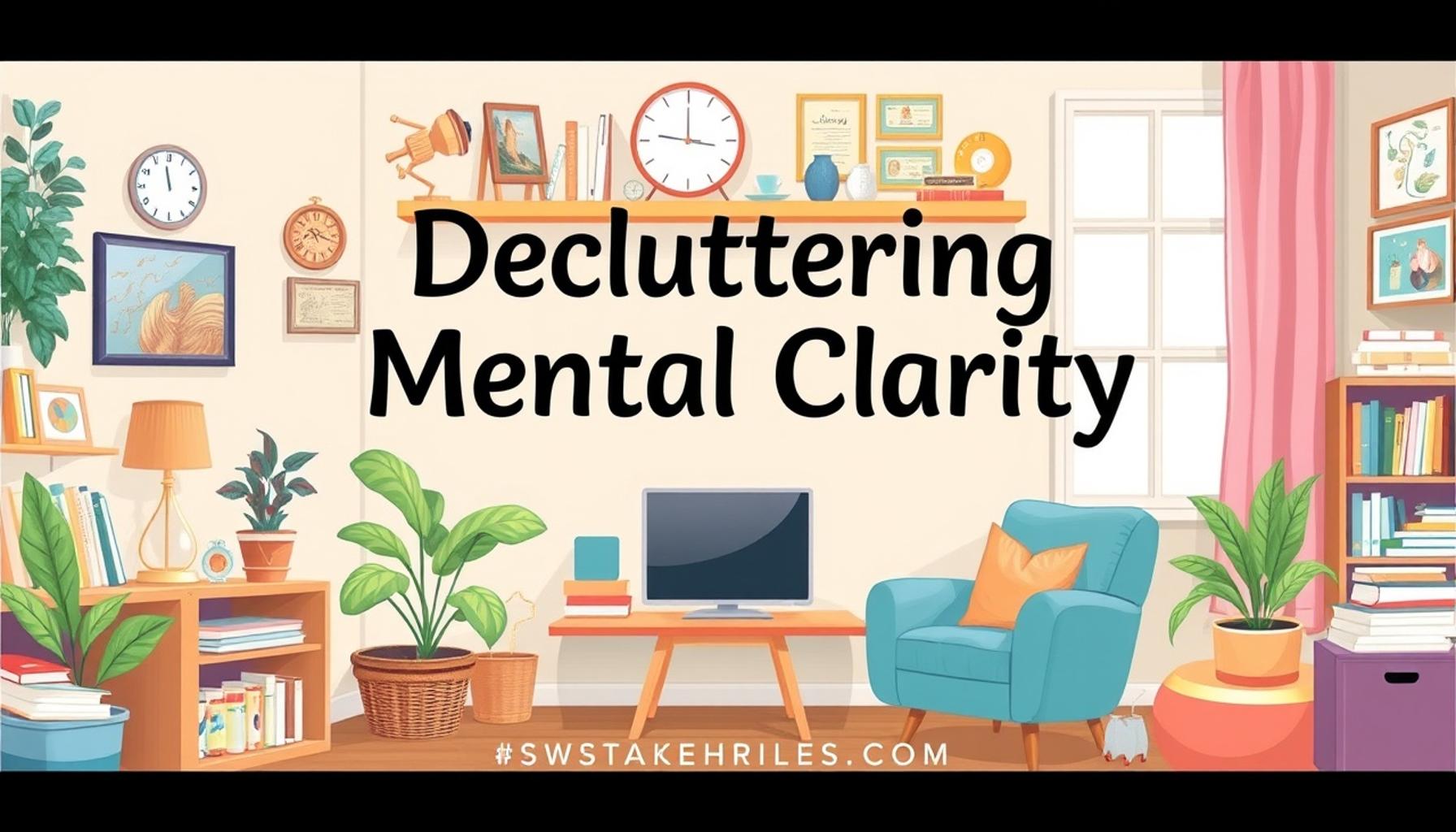
- Mental Clarity: A tidy space can lead to a more focused mind. Studies have shown that living in a cluttered environment can negatively affect your ability to concentrate. When your surroundings are orderly, you may find that your thoughts become clearer, allowing for better productivity and enhanced creativity. For instance, a simple organized workspace can elevate your performance at work or during study sessions.
- Space Utilization: By decluttering, you maximize your home’s potential. Identifying essential areas within your home, such as living rooms or kitchens, becomes easier when extraneous items are removed. This liberation of space can also facilitate the opportunity for new designs or uses of a room. Picture turning that cluttered corner into a cozy reading nook or a vibrant office setup.
- Stress Reduction: An uncluttered environment can significantly lower anxiety levels. Research indicates that visual clutter can cause stress, leading to a constant feeling of being overwhelmed. By simplifying your space, you cultivate a serene atmosphere that can promote relaxation and peace. The sense of control gained from decluttering can empower you, creating a positive feedback loop that encourages further organization.
Despite its numerous benefits, the idea of decluttering can often feel daunting. Many individuals face emotional attachments to their belongings, worrying about the decisions that come with letting go. Additionally, our busy lives can leave little time for sorting through accumulated items. However, approaching this seemingly overwhelming task with strategic planning can ease the process.
Setting realistic goals is an excellent starting point; perhaps focus on one room or even one drawer at a time. It’s also helpful to employ methods for sorting through items, such as the “four-box method,” where you categorize items into “keep,” “donate,” “discard,” and “relocate.” This can streamline your decision-making and make the task feel less insurmountable.
Embarking on this journey toward a simplified home can be life-changing. It encourages not just a cleaner space, but also a more ordered mind, ultimately enhancing your quality of life. Every small step you take brings you closer to a more manageable, peaceful living environment that reflects who you are and what you cherish.
Join us as we delve deeper into the practical steps of decluttering in the upcoming sections. Discover how this powerful practice can redefine your living space and improve your overall well-being.
DISCOVER MORE: Click here to uncover essential tips
Practical Steps to Begin Your Decluttering Journey
With the understanding that decluttering can profoundly affect mental clarity, space utilization, and stress reduction, the next step is to break down the actual process into manageable actions. Transforming your home doesn’t require a complete overhaul overnight; rather, it can be achieved through a series of strategic, incremental changes. Here are some practical steps to kickstart your decluttering journey:
1. Create a Decluttering Schedule
Setting aside dedicated time for decluttering is crucial for creating a manageable approach. Whether it’s 15 minutes a day or a few hours on the weekend, prioritize this time on your calendar. Consider your energy levels and select times when you feel most motivated and alert to tackle the task. Consistency is key in making this a habit.
2. Start Small
It can be overwhelming to think about decluttering your entire home at once. Instead, begin with smaller areas to build momentum. Choose a single room, or even focus on one category, such as clothing, books, or kitchen items. As you witness the results of your efforts, you’ll feel more encouraged to continue.
3. The Four-Box Method
Employing a systematic approach can simplify the decision-making process. The “four-box method” is an effective strategy that involves using four boxes or containers labeled:
- Keep: Items that you use regularly or hold significant sentimental value.
- Donate: Items in good condition that you no longer need but could benefit someone else.
- Discard: Broken or unusable items that should be thrown away.
- Relocate: Items that belong in different areas of your home—make sure to place them in their proper spots right away!
This method minimizes indecision and helps you categorize your belongings efficiently.
4. Embrace the “One In, One Out” Rule
To prevent clutter from reaccumulating, adopt the “one in, one out” rule. For every new item you bring into your home, make it a policy to remove an existing item. This simple practice not only encourages mindful purchasing decisions but also maintains the balance between what you own and what you genuinely need.
5. Set Boundaries for Each Area
Understanding the limitations of your space can be a powerful motivator in decluttering. Assign specific storage locations for items within each room and adjust your expectations to fit these constraints. For example, limiting the number of books on a shelf can help you prioritize what you genuinely cherish and use.
By implementing these practical steps, you’ll transition from feeling overwhelmed by clutter to experiencing a sense of empowerment and control over your space. As you cultivate the habit of decluttering, each step you take reinforces your commitment to sustaining a simplified home environment, making it easier to enjoy the spaces you inhabit.
In our next section, we’ll explore some valuable tips to maintain your newly decluttered space and foster a lifestyle that aligns with simplicity and serenity.
| Advantage | Description |
|---|---|
| Enhanced Focus | A decluttered space promotes clear thinking and fosters creativity, helping individuals concentrate on their tasks. |
| Reduced Stress | Simplifying your surroundings can lead to lower anxiety levels, creating a more tranquil environment that supports mental well-being. |
Decluttering your home not only enhances the physical space but profoundly impacts your mental and emotional state. When you clear out unnecessary items, you work towards achieving a harmonious living space that invites clarity and focus. For example, many have discovered the transformative power of a simplified home when tackling daily tasks, leading to the increased ability to concentrate on work or hobbies without the distraction of clutter. Furthermore, studies have shown that a disorganized environment can contribute to stress and anxiety. By getting rid of excess belongings, you may find yourself in a calming space that allows for better relaxation and mindfulness. Whether it means organizing your closet or decluttering your living room, each small step can significantly enhance your overall quality of life. Take the plunge into decluttering and watch as the benefits unfold in every aspect of your home!
DISCOVER MORE: Click here to dive into essential tips for a minimalist home
Maintaining Your Decluttered Space
Once you have successfully initiated the process of decluttering your home, it’s vital to adopt practices that help you maintain your newly organized environment. A decluttered space enhances not only your physical surroundings but also contributes to a clearer mindset. Here are actionable strategies to help you preserve the sense of calm and order you’ve cultivated:
1. Schedule Regular Decluttering Sessions
To keep clutter at bay, set aside time for regular maintenance. Just as you would schedule a periodic check-up, consider devoting a portion of each month to revisit areas that may have accumulated items. A monthly audit of your belongings can keep your space tidy and remind you not to allow clutter to creep in again.
2. Create a Declutter Routine
Develop a simple routine that integrates decluttering into your daily life. For instance, you might establish a five-minute rule: spend just five minutes each day putting things back in their place. Alternatively, you can make it a habit to evaluate your surroundings once a week, asking yourself, “Do I need this item? Is it serving me?” This approach promotes ongoing mindfulness regarding your possessions.
3. Seasonal Purging
Take advantage of the changing seasons by scheduling a seasonal purge. Each season brings a natural opportunity to reassess your belongings, especially items such as clothing, decorations, and outdoor gear that may no longer serve a purpose. Aiming for a more profound decluttering experience quarterly not only revitalizes your space but aids in the identification of items that may have slipped through the cracks in daily maintenance.
4. Utilize Storage Solutions Wisely
Part of maintaining a decluttered home is understanding and implementing effective storage solutions. Invest in multifunctional furniture, such as ottomans with hidden storage or beds with built-in drawers, to maximize your space efficiently. Clear bins can help categorize and reveal items at a glance, while beautiful baskets can encourage organization without compromising on style.
5. Limit Incoming Items
Being intentional about what comes into your home is equally important as what you remove. When shopping or considering new purchases, practice restraint by asking yourself whether the item adds genuine value to your life. Adopting this disciplined mindset can significantly reduce the likelihood of clutter returning.
6. Involve Family Members
If you share your living space, involve family members in the decluttering process and routines. Establish a family declutter day, where everyone pitches in to tidy up their individual spaces. This cooperative effort not only promotes teamwork but also reinforces the understanding that maintaining a clutter-free home is a shared responsibility.
Maintaining a decluttered home is not merely about keeping items off surfaces; it requires a continuous commitment to conscious living. Each of these strategies enhances your capacity to uphold the serenity of your space and fosters a lifestyle aligned with productivity and clarity.
In the upcoming section, we will delve into the emotional aspects of decluttering and discuss the deeper connection between our belongings, mental well-being, and a simplified life.
DON’T MISS OUT: Click here to learn essential tips for decluttering and organizing
Conclusion: Embracing a Simpler, Calmer Life
As we journey through the labyrinth of our daily lives, decluttering can serve as a powerful tool for not only enhancing the physical environment of our homes but also unlocking mental clarity and emotional well-being. By implementing the practical steps outlined in this article—from regular decluttering sessions to developing sustainable routines and involving family members—we can take proactive measures to maintain the serenity we have worked hard to achieve.
Moreover, the process of decluttering goes beyond simply clearing out physical space. It invites us to engage in intentional living, where we reassess our relationship with our belongings and learn to value quality over quantity. By setting limits on incoming items and embracing multifunctional storage solutions, we create a home that genuinely reflects our needs and aspirations. This conscious approach not only cultivates a more organized environment but also nurtures a sense of peace.
Ultimately, decluttering is not a one-time endeavor but an ongoing commitment that promotes a lifestyle characterized by simplicity and mindfulness. The next time you find yourself overwhelmed by clutter, remember the empowering strategies shared here, and allow them to guide your path toward a more tranquil existence. Take the first step today, knowing that each item you let go of paves the way for a brighter and more fulfilling tomorrow.