
Decluttering as a Family: Involving Everyone in the Minimalism Journey
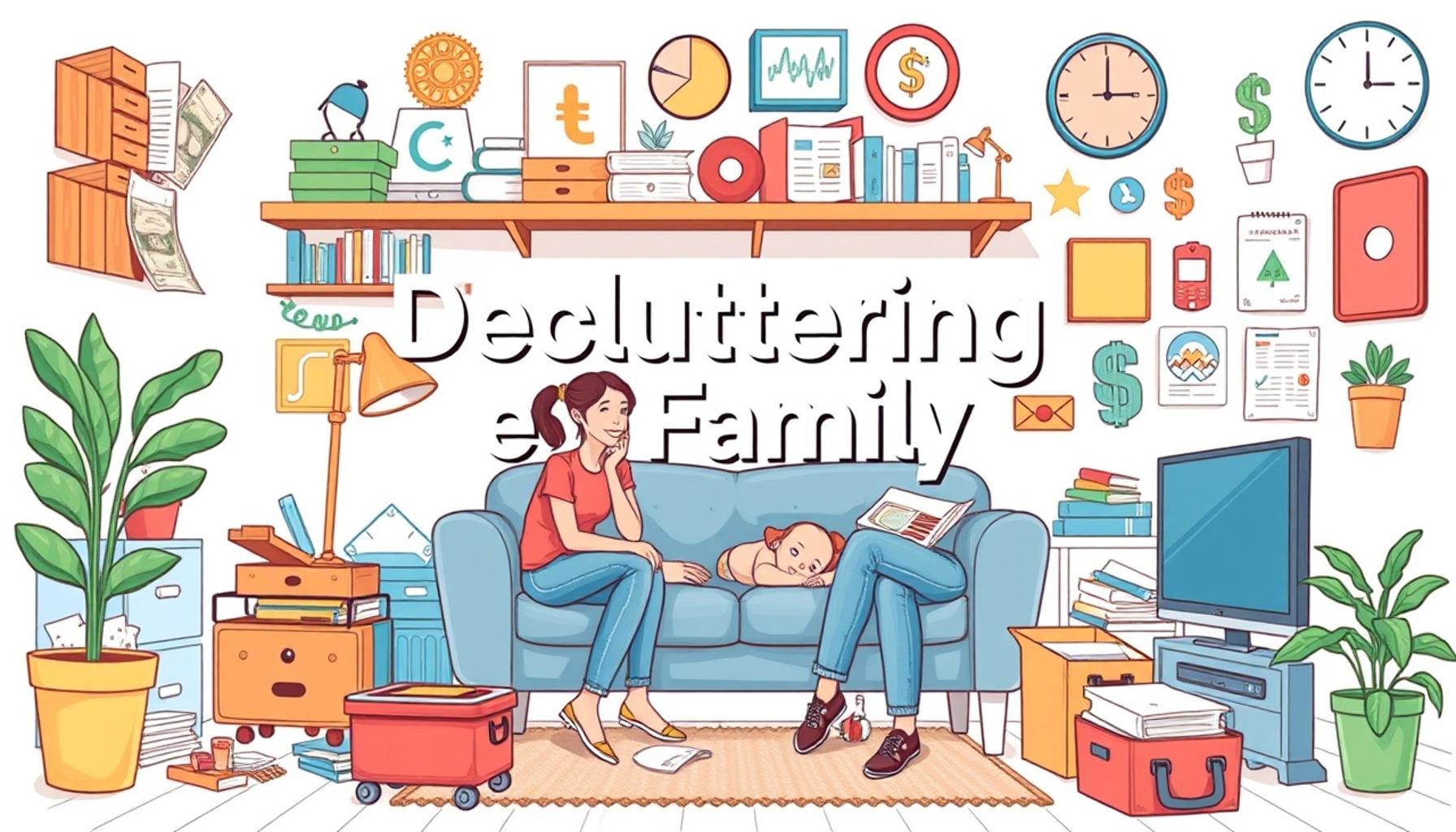
The Power of Decluttering as a Family Journey
Incorporating decluttering into your family routine can create a monumental shift in how your household operates. In an age where consumerism plays a significant role in our lives, our homes often overflow with items that no longer serve us or our values. Psychological studies suggest that clutter can increase stress and anxiety, impacting both mental health and productivity. Therefore, engaging the whole family in the decluttering process not only fosters a sense of unity but also promotes a healthier living environment.
Decluttering together can be more than just a chore; it’s an opportunity to bond and create shared experiences that your family will cherish. Here are some compelling benefits you might not have considered:
- Create a sense of teamwork: Involving everyone allows for skills to be shared and developed. Children see their parents working hard and contributing, instilling values of responsibility and commitment.
- Teach valuable skills: Beyond simply clearing out space, children learn essential life skills like organization, decision-making, and how to prioritize needs versus wants. By deciding what to keep or donate, kids gain insight into the importance of generosity and community support.
- Enhance communication: Dialogues about which items to keep or dispose of can lead to deeper family discussions. This openness encourages children to express their feelings, leading to stronger familial ties.
As you embark on this minimalist journey, consider practical strategies to make it engaging for everyone involved. Start by setting specific goals—perhaps aiming to declutter one room at a time. Establish designated decluttering days, maybe once a month, where everyone dedicates time to sort through their belongings. This routine can become a family tradition, enriched with laughter and meaningful conversations. To motivate the family, consider implementing a reward system; for instance, after completing a major decluttering task, treat the family to a fun outing or a special dinner.
Remember, delving into minimalism is not just about reducing the items in your home; it’s a profound journey toward rediscovering what holds true value in your life. By making decluttering a family project, you promote shared responsibility and appreciation for simpler living. So gather your family, roll up your sleeves, and watch as this collective effort transforms not just your physical space, but the emotional atmosphere of your home.
DISCOVER MORE: Click here for essential tips on decluttering
Engaging Every Family Member in Decluttering
When it comes to decluttering as a family, the involvement of each member plays a crucial role in the success of the journey. Creating an inclusive atmosphere fosters a sense of ownership and responsibility, encouraging children and adults alike to take part in the process. Here are some engaging ways to ensure that everyone feels valued and motivated throughout this transformative experience:
- Assign Roles: Consider each family member’s strengths and interests when assigning decluttering tasks. For instance, if one child has a knack for organizing toys, they could take charge of that space, while another might enjoy sorting through books. This division of labor not only makes the task manageable but also allows individuals to shine in their respective roles.
- Incorporate a “Keep, Donate, Trash” System: Establishing clear categories for handling items simplifies decisions for younger family members. By introducing this system, children learn the importance of thoughtfully assessing their belongings. They can physically handle the items, which provides a tactile experience that helps solidify these important lessons.
- Make it Fun: Injecting a sense of fun can transform a mundane chore into an enjoyable family event. Create games that challenge family members to declutter within a time limit or host friendly competitions to see who can fill the “donate” box the fastest. Small incentives, like choosing a movie for family movie night, can also amplify the excitement.
Moreover, sharing stories behind certain items can lead to deeper connections and memories. For example, when handling old toys, take a moment to discuss the joy they brought to the family. This creates a sentimental attachment while also allowing for the understanding that if something no longer serves your family’s purpose, it’s okay to let it go.
As you focus on these engagement strategies, it’s essential to introduce mindfulness into the decluttering process. Encourage family members to reflect on how each item contributes to their lives. This not only detaches them from materialism but also rewards them with personal insights about their values and needs. Invite discussions about minimalist lifestyles and the benefits of having less clutter; this will surely pique the interest of your children and instill the importance of thoughtful consumption.
Ultimately, by making decluttering a vibrant family endeavor, you cultivate an environment where everyone feels included. The act of working collaboratively to reshape your physical space strengthens family bonds while fostering individual growth. In turn, the value of minimalism transcends beyond just decluttering; it becomes a shared philosophy that can align your family’s aspirations and improve overall well-being.
| Categories of Involvement | Impact on Family Dynamics |
|---|---|
| Shared Responsibilities | Encourages teamwork, forging stronger family bonds through collaboration. |
| Empowering Children | Instills a sense of ownership and decision-making skills, fostering independence. |
| Creating Shared Goals | Aligns family visions, promoting collective satisfaction and unified purpose. |
| Psychological Benefits | Reduces stress and anxiety, leading to a more peaceful home environment. |
Engaging the entire family in the decluttering process can transform your home into a haven of tranquility and improve overall family dynamics. By assigning shared responsibilities, everyone learns to work as a team, enhancing cooperation and emotional connection among family members. Moreover, when children are involved in decluttering, they benefit from being empowered to make decisions about their possessions. This not only builds their confidence but also encourages independence in managing their environment.Furthermore, working towards shared goals, such as a more organized living space, promotes a unified purpose that can strengthen familial bonds and improve communication. The act of decluttering also provides significant psychological benefits, as it reduces clutter-induced stress and anxiety, creating a serene atmosphere conducive to family interactions. Through these collective experiences, families embark on a minimalism journey that is both enriching and instructive, paving the way for a more fulfilling lifestyle.
DIVE DEEPER: Click here to discover essential tips for decluttering
Promoting Open Communication and Emotional Support
Decluttering isn’t merely a physical task; it also serves as an emotional journey that can significantly impact family dynamics. Open communication is vital to ensure that every family member feels heard and validated in their experiences and decisions. Here are some effective ways to enhance communication and support during the decluttering process:
- Facilitate Family Discussions: Before diving into the decluttering process, hold a family meeting to discuss the goals and reasons behind the minimalist journey. Allow each member to voice their thoughts and feelings. This initial conversation can set a positive tone and foster a shared understanding of the importance of creating a clutter-free environment.
- Respect Emotional Attachments: Children may have emotional ties to certain items, such as stuffed animals or old clothing. While it’s important to encourage letting go of unnecessary possessions, acknowledge their feelings. Support them in finding ways to remember these items, such as taking photographs or creating a scrapbook. This respect will lay the groundwork for a supportive decluttering experience.
- Celebrate Achievements Together: Decluttering can be a daunting task, so it’s crucial to recognize progress along the way. Create milestones, such as completing a room or section of the house, and celebrate these victories with special family activities or rewards. This will reinforce positive behavior and help maintain enthusiasm for the journey.
Involving family members in decision-making not only contributes to a more harmonious decluttering process but also empowers them. For instance, allowing older children the freedom to decide what to keep or discard from their own spaces teaches them responsibility and critical thinking. By engaging them in deliberations, you foster their independence and encourage personal growth within a supportive family framework.
Furthermore, it’s essential to instill a sense of gratitude. As you sort through possessions, encourage conversations about what items have served their purpose and how they contributed to the family’s experiences. This perspective shift helps highlight the value of shared memories rather than the objects themselves. For example, discussing a favorite family trip while sorting through travel souvenirs can transform the act of decluttering into a celebration of past experiences.
In the American context, the “minimalism” trend has gained considerable momentum, aligning with a broader cultural shift toward mindfulness and sustainability. Shared spaces—living rooms, kitchens, and playrooms—hold significant meaning, not only in terms of functionality but also in emotional resonance. This shift underscores the need for families to collectively reassess not only what they own but more importantly, how ownership affects their relationships and well-being.
As the decluttering journey progresses, families can also explore promoting a sustainable lifestyle. As items are sorted for donation or recycling, engage in conversations about consumer habits and the impact on the environment. Educate your family about how decluttering fits into a larger narrative of sustainability, prompting discussions about conscious shopping and responsible consumption. Such discussions not only reinforce the practice of minimalism but also cultivate a family culture rooted in social responsibility.
By prioritizing communication and emotional support in your decluttering adventure, your family can navigate the challenges that arise with empathy and mutual respect. This approach will not only enhance your physical space but also enrich the bonds between family members, transforming the minimalism journey into a shared legacy for both current and future generations.
DISCOVER MORE: Click here for essential tips on decluttering and organizing
Conclusion: A Collective Minimalism Journey
Embarking on a decluttering journey as a family is not merely about creating a less chaotic living space; it is an opportunity for personal growth, relationship building, and crafting a shared legacy. By involving everyone in the process, family members can contribute their perspectives, making the journey not only equitable but deeply enriching. Communicating openly about desires, needs, and emotional attachments allows for a more harmonious experience, transforming what could be a stressful task into a collaborative adventure.
As each family member takes ownership in the decision-making process, they learn invaluable lessons of responsibility, gratitude, and the essence of valuing experiences over objects. Celebrating small victories fosters motivation, reinforcing the idea that minimalism is not just an aesthetic but a lifestyle choice that promotes well-being and mindfulness. Engaging in discussions surrounding sustainability further enhances the family’s understanding of their impact on the environment, nurturing a sense of social responsibility that can be carried forward to future generations.
Ultimately, decluttering together lays the foundation for a supportive environment where trust and emotional bonds can flourish. As families embrace this minimalist journey, they cultivate not only a clutter-free home but also a deeper appreciation for their shared experiences. With intentionality and respect, the process of decluttering becomes a powerful catalyst for change, inviting families to celebrate simplicity while forming connections that stand the test of time.