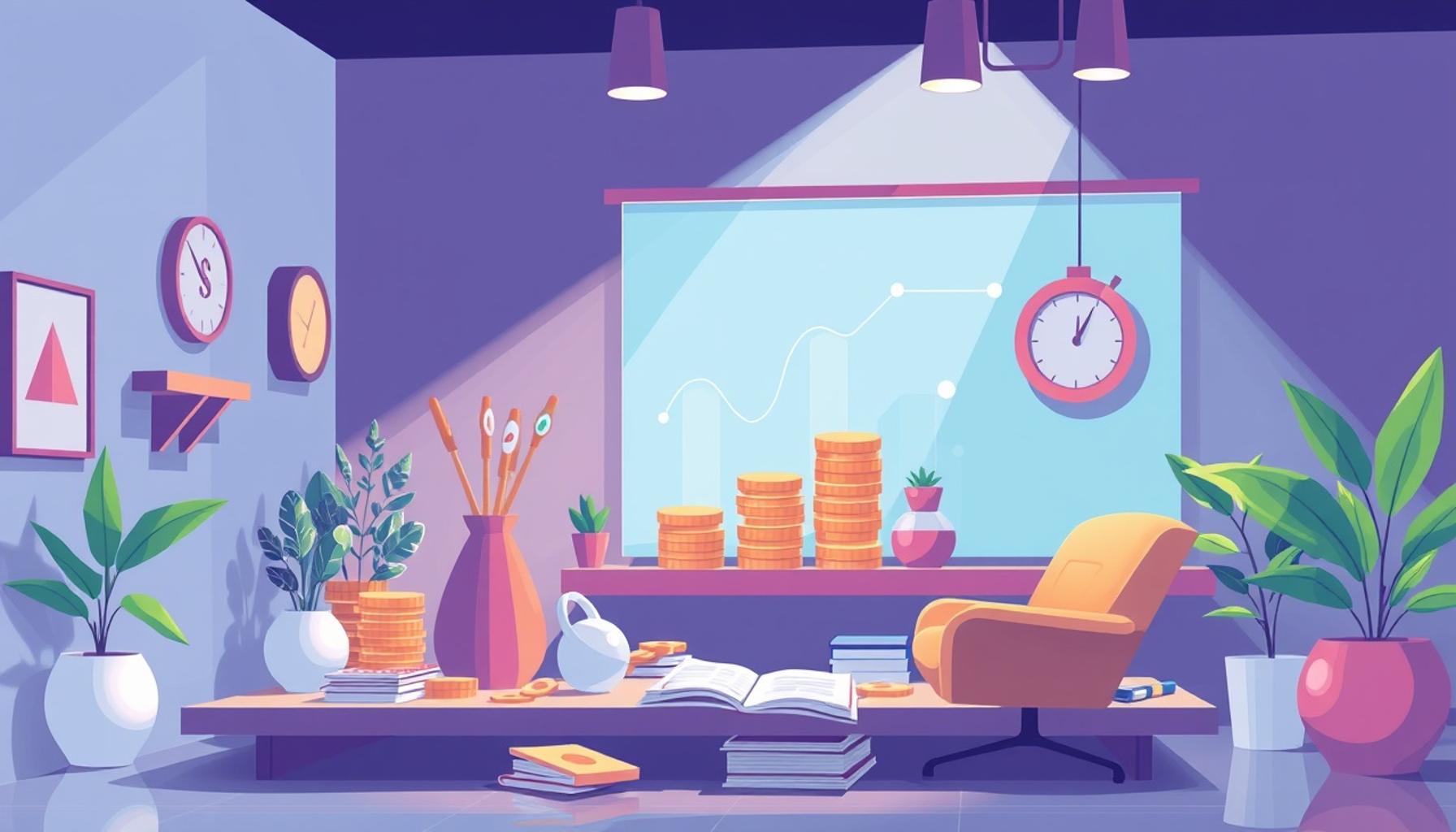
Creating Calm Spaces: The Intersection of Intentional Design and Minimalism in Reducing Anxiety

The Importance of Calm Spaces
In today’s fast-paced world, many individuals are seeking refuge from the chaos of everyday life. The concept of calm spaces is emerging as a powerful solution to reduce anxiety and foster well-being. With the increasing pressures of modern living, characterized by work demands, social expectations, and constant digital distractions, there is a growing desire for environments that promote relaxation and mindfulness.
Key Aspects of Tranquil Design
Understanding how intentional design and minimalism intersect is crucial for constructing these soothing environments. Here are several key aspects to consider:
- Intentional Design: Every element in a calming space is thoughtfully chosen, from the furniture layout to decorative items. For instance, placing a comfortable chair by a window allows natural light to fill the area, which can enhance mood and offer a sense of connection to the outside world.
- Minimalism: Emphasizing simplicity takes away the clutter, allowing the mind to unwind without distractions. A minimalist approach often leads to clean lines, open spaces, and a deliberate selection of decor that often doubles as functional pieces, such as stylish storage solutions.
- Color Schemes: Utilizing soft, neutral palettes can evoke a sense of calm. Shades like muted blues, warm beige, and gentle greens have been shown to reduce feelings of tension and promote relaxation, making them ideal choices for any serene space.
The Impact of Environment on Mental Health
Research indicates that our surroundings significantly impact our mental health. A study published by the Environmental Research and Public Health Journal reveals that environments designed with minimalistic principles lead to reduced stress levels among occupants. This is particularly beneficial in urban settings, where noise and congestion can overwhelm the senses.
In addition, incorporating natural elements, such as plants and organic materials, can enhance serenity. Biophilic design—where nature is brought indoors—has shown to improve mood and increase overall well-being. For example, adding a few indoor plants can purify air quality and create a more vibrant atmosphere, encouraging occupants to feel more at ease.
Practical Tips for Creating Calm Spaces
As more people prioritize mental well-being, understanding how to create calming environments becomes increasingly relevant. Here are practical tips to consider:
- Opt for furniture that offers comfort and tranquility—sofas that invite lounging or ergonomic chairs for workspaces contribute greatly to a stress-free environment.
- Incorporate soft lighting, such as dimmable lamps or candles, to create a gentle ambiance that fosters relaxation.
- Utilize scents from essential oils, such as lavender or chamomile, to engage the senses and promote a calming effect.
Dive deeper as we explore inspiring examples, such as the rise of meditation rooms in corporate offices or the trend of zen gardens in residential layouts. The psychology behind designing spaces that nurture peace is not just an aesthetic pursuit; it is an essential consideration for enhancing quality of life in a world where peace feels increasingly elusive.
DIVE DEEPER: Click here for essential tips on decluttering and organizing
Transforming Spaces for Peace of Mind
The quest for calm spaces is not merely about aesthetics; it is profoundly tied to our mental and emotional well-being. As anxiety rates soar in the United States, with a reported 18.1% of adults experiencing anxiety disorders, the importance of designing spaces that soothe and promote mental wellness cannot be understated. Intentional design focuses on curating personal environments that elevate mood and enhance clarity, while minimalism advocates for simplicity, encouraging a way of living that prioritizes mental tranquility.
To understand how these concepts collectively influence our mental health, we must examine the relationship between our environments and our emotional states. Various psychological studies support the idea that cluttered and disorganized spaces often lead to heightened feelings of stress and anxiety. A cohesive, intentional design fosters a serene atmosphere, enabling individuals to reclaim a sense of control over their surroundings. By carefully selecting furniture, colors, and lighting, one can effectively alter the energies of a space to provide a restorative experience.
The Power of Intentional Design
At the core of creating calm spaces is the philosophy of intentional design. This approach prioritizes thoughtful selection and placement of elements within a space. For example, incorporating meaningful artwork or photographs invokes nostalgia and comfort, creating a sense of belonging. Furthermore, the arrangement of furniture plays a pivotal role; positioning seats to facilitate conversation encourages connection, while creating cozy nooks for solitude can promote personal reflection. Each element serves a distinct purpose, contributing to the overall sense of peace.
- Purposeful layouts: Whether in a home office or a living room, cultivating an arrangement that minimizes distractions allows for deeper concentration.
- Natural materials: Incorporating wood, stone, and textiles brings warmth and depth to spaces. These choices resonate with our innate affinity for nature, enhancing feelings of relaxation.
- Sound considerations: Acoustic treatments such as soft rugs or curtains can help absorb noise, facilitating a quieter, more peaceful environment.
Minimalism as a Pathway to Clarity
Minimalism, often perceived as merely a trend, is a lifestyle choice that significantly contributes to reducing anxiety. By eliminating excess and valuing quality over quantity, individuals can create serene spaces that feel open and inviting. A minimalist approach prompts individuals to streamline their belongings, keeping only items that inspire joy or serve a purposeful function. This curated selection promotes mental clarity by reducing the visual noise that often contributes to overwhelm.
Moreover, the balance of open space with minimal furnishings can evoke a sense of freedom and tranquility. Instead of being surrounded by distractions, occupants are offered the opportunity to breathe, think, and reflect. In the hustle and bustle of urban living, minimalism can serve as a sanctuary that nurtures peace and fosters a mindful approach to daily life.
As we delve deeper into the intricate connections between intentional design, minimalism, and emotional well-being, we will uncover actionable insights that empower individuals to transform their spaces into personal sanctuaries. Through thoughtful design, we can reclaim our environments as sources of calm in an otherwise chaotic world.
Exploring Intentional Design
The concept of intentional design centers around the deliberate choices made in creating living spaces that foster peace and tranquility. When designing a calm space, every element—from color palettes to furniture selection—plays a crucial role in mitigating feelings of anxiety. For instance, using soft, muted tones can help to create a serene environment, allowing individuals to feel more grounded and less overwhelmed by their surroundings. Additionally, incorporating natural elements such as plants or natural light can significantly enhance a space’s calming effect, as studies indicate that exposure to nature can lower blood pressure and reduce stress levels.Another key aspect of intentional design is the arrangement of space. By adopting a layout that promotes flow and functionality, one can minimize clutter and distractions, leading to a more peaceful ambiance. Furniture should be selected not only for style but also for comfort and efficiency, encouraging use and enhancing the overall sense of well-being. Additionally, utilizing multifunctional furniture can maximize space utility without creating a sense of confinement, further promoting a calm atmosphere.
Minimalism as a Pathway to Peace
Minimalism complements intentional design by advocating for simplicity in both aesthetics and possessions. The philosophy encourages individuals to evaluate what is truly necessary in their lives, often leading to a newfound appreciation for quality over quantity. By reducing the number of items in one’s environment, individuals can alleviate the cognitive load and anxiety associated with decision fatigue and excessive stimuli. This curated approach fosters a sense of control and ease, supporting mental clarity.Moreover, the minimalist approach teaches individuals to focus on what genuinely matters. By surrounding oneself with cherished items rather than distractions or excess, one can elevate their sense of joy and contentment within their environment. The positive psychological effects of minimalism can bridge the gap between physical space and mental health, revealing the profound impact that our surroundings have on our emotional state. As we dive deeper into the relationship between intentional design and minimalism, it’s essential to explore practical methods for implementing these concepts into everyday life.
| Advantages of Intentional Design | Advantages of Minimalism |
|---|---|
| Enhances Mental Clarity | Reduces Decision Fatigue |
| Promotes Emotional Well-being | Encourages Mindful Living |
As this table suggests, the intersection of intentional design and minimalism not only contributes to creating calm spaces but also actively engages individuals in thoughtful living. Each aspect, whether it’s enhancing mental clarity or encouraging mindful practices, supports the overarching goal of reducing anxiety and cultivating peace at home.
DISCOVER MORE: Click here for essential tips on decluttering and organizing
The Role of Light and Color in Promoting Calm
In the realm of intentional design, both light and color play crucial roles in establishing a calming environment. Research has shown that lighting significantly affects mood and productivity. Natural light, in particular, has been linked to improved mental health and well-being. Spaces flooded with sunlight can enhance feelings of happiness and soothe anxiety levels. One method of maximizing natural light is by utilizing sheer window coverings or strategically placing mirrors to reflect light throughout a space. The use of light also extends to artificial sources; soft, warm bulbs can create a welcoming atmosphere, while harsh fluorescent lights often contribute to feelings of discomfort and agitation.
Color psychology further deepens our understanding of how hues can impact our emotional states. Soft blues and greens evoke tranquility, bringing to mind serene landscapes and promoting relaxation. In contrast, bright, jarring colors can induce feelings of anxiety or restlessness. By incorporating colors that promote calmness into design choices—whether it’s painting walls in soothing tones, selecting furnishings in gentle shades, or adding accent pieces that bring warmth—individuals can curtail stress levels and enhance their overall well-being. This alignment of color and light with one’s emotional needs is a cornerstone of creating spaces that nurture peace of mind.
Integrating Nature: Biophilic Design
Another layer of intentional design that contributes to calm is the integration of nature through biophilic design. This concept emphasizes the human connection to nature, asserting that even small elements can drastically influence our mental states. Incorporating plants into living spaces not only purifies the air but also reduces stress, lowers blood pressure, and can even enhance cognitive function. Research from the T.H. Chan School of Public Health at Harvard University indicates that indoor plants can boost mood and productivity, making them an invaluable asset in both home and office environments.
Water features, natural stone textures, and the use of organic materials can further enhance this connection to the environment. The sound of flowing water, for example, has a calming effect, promoting relaxation. Elements such as wooden furniture or stone accents can ground a space, connecting occupants to the earth and creating a soothing backdrop. Such integration urges us to step away from the confines of urban life and reconnect with a more natural rhythm, fostering inner peace and serenity.
The Practice of Mindfulness in Design
When it comes to marrying minimalism with intentional design, the practice of mindfulness becomes a key component. Mindfulness encourages a deeper awareness of one’s surroundings, cultivating an appreciation for space and material. This attentive perspective can guide individuals in making design choices that align with their mental health needs, promoting a more tranquil living experience. A simplified selection of items, accompanied by a thoughtful curation of decor, allows individuals to fully engage with their environment, rather than being overwhelmed by it.
Moreover, creating designated areas for mindfulness practices—such as meditation, yoga, or simply contemplative relaxation—can amplify the impact of the space. These intentional zones can be achieved through the minimalist aesthetic by establishing open floor areas that invite activity rather than clutter. As individuals immerse themselves in such mindful practices, the benefits extend beyond the immediate environment, facilitating a more peaceful, anxiety-reducing lifestyle.
DISCOVER MORE: Click here to simplify your space
Conclusion: The Power of Intentional Design and Minimalism
As we navigate the complexities of modern life, the importance of creating calm spaces cannot be overstated. Combining the principles of intentional design and minimalism offers a pathway to cultivate environments that significantly reduce anxiety and enhance overall well-being. By recognizing how light and color can influence our emotional states, individuals can craft spaces that evoke tranquility and promote relaxation. Furthermore, integrating elements of nature through biophilic design engages our innate connection to the environment, fostering a sense of peace amidst urban chaos.
The practice of mindfulness in design further elevates our understanding by encouraging individuals to be present in their surroundings, leading to more intentional choices that resonate with their mental health needs. By embracing these concepts, we can transform our homes and workspaces into sanctuaries that not only reflect our aesthetic desires but also support our mental clarity and emotional resilience. As we invest in the creation of calm spaces, we pave the way toward healing and rejuvenation, underscoring that the environment we inhabit holds profound power over our internal landscape.
For those looking to explore further, delving into the realms of environmental psychology and design thinking can reveal more about how our spaces shape our experiences and influence our mental states. The journey of crafting a calming space is not merely a design choice; it is a vital step toward nurturing a more balanced, peaceful life.