
Clutter Elimination Strategies for Families with Children
Understanding the Necessity of Clutter Elimination
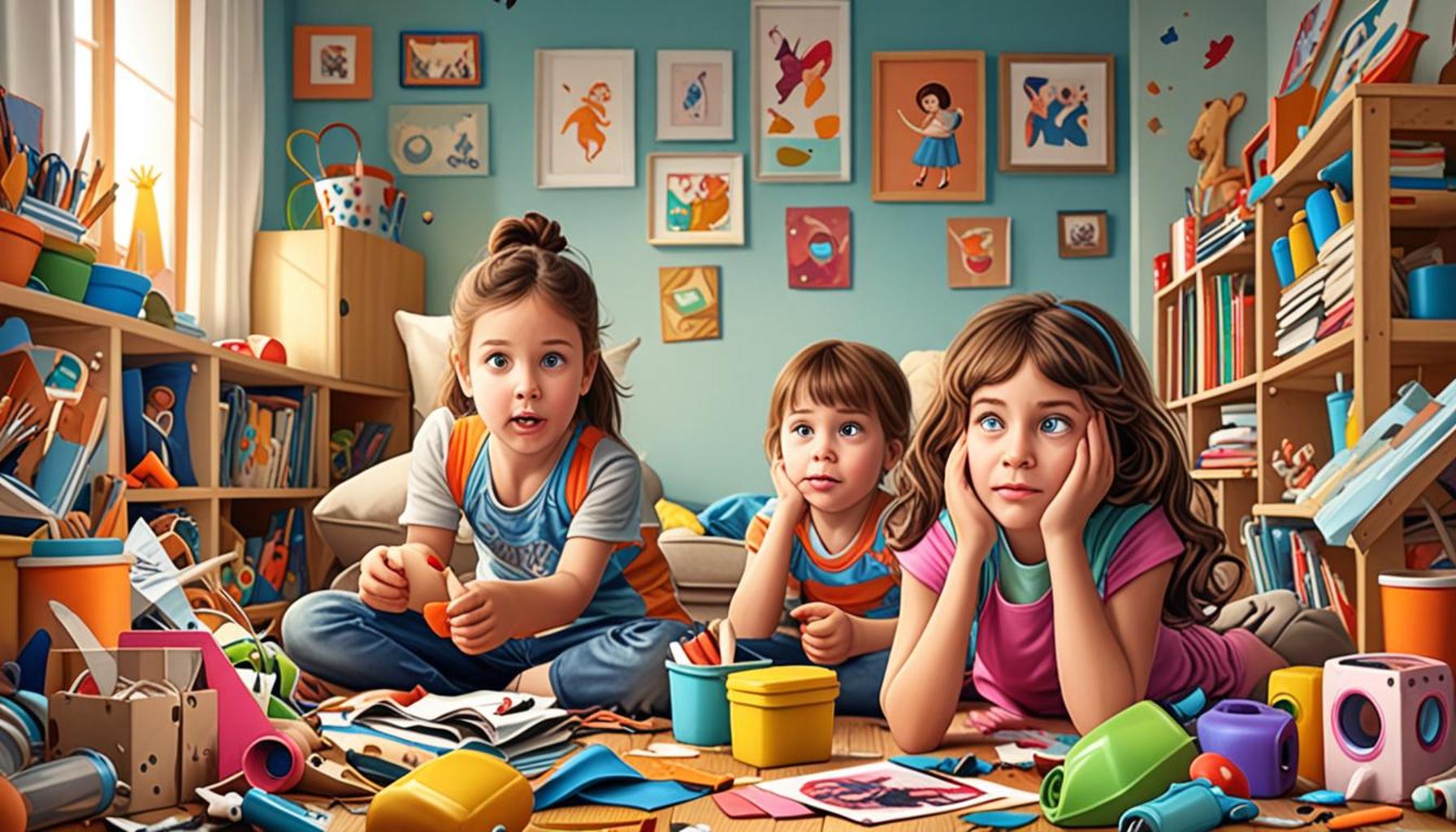
In our busy lives, especially in American households filled with children, the challenge of maintaining a clean and organized home can seem daunting. The quick accumulation of toys, clothes, school supplies, and even the odds and ends from various family activities can transform into an overwhelming sea of clutter. As a result, finding effective clutter elimination strategies becomes imperative for not only achieving a tidy home but also fostering a harmonious family environment.
A cluttered space often leads to a cluttered mind. To combat the chaos, many experts recommend a systematic approach, which includes actionable strategies that can be integrated into your daily lives. Here are some of the most effective ones to consider:
- Set Clear Boundaries: One of the foundational strategies for decluttering is to designate specific areas for various activities. For instance, you might create a corner in the living room for play, a designated space in a quiet room for schoolwork, and have designated storage areas for toys and supplies. This not only sets expectations for your children but also makes it clear where everything belongs.
- Involve Your Children: Teaching children the importance of organization can empower them to take ownership of their possessions. Include them in the decluttering process by making it a family activity. For example, you can set a timer for a quick five-minute clean-up where each child is responsible for clearing their area. This not only teaches them responsibility but also collaborative skills.
- Evaluate Regularly: Incorporating a routine check-in on your belongings can keep clutter at bay. Conduct seasonal assessments to determine which items are still in use. For example, as winter transitions to spring, assess winter clothing and gear, and decide what to keep for next year and what can be donated. Creating a specific schedule for decluttering can make the process less overwhelming and more manageable.
Employing these strategies does more than just simplify your home; it can also lead to profound benefits for your family dynamics. Studies indicate that a clutter-free environment can enhance focus and reduce stress for both parents and children. As children learn to organize, they develop valuable life skills that contribute to their independence. Additionally, parents experience less frustration in daily tasks, leading to a more positive atmosphere overall.
As you embark on the journey of decluttering, remember that small steps lead to big changes. Setting incremental goals makes the process feel less intimidating. Tailor these strategies to fit your family’s unique lifestyle, allowing for flexibility as needed. It may also be beneficial to explore various resources—such as blogs, organizing apps, or local community workshops—that provide additional insights into efficient decluttering.
In conclusion, creating a more organized living space is not just about aesthetics; it’s about nurturing a healthy family environment. Enhanced organization can encourage cooperation among family members and instill a sense of pride in the spaces we inhabit. With a little creativity and dedication, your family can thrive in a well-maintained home.
LEARN MORE: Click here to discover how decluttering can boost your mental well-being
Practical Tools for Decluttering with Kids in the House
Implementing clutter elimination strategies in a household filled with children is not just a matter of cleaning; it’s an opportunity to teach valuable lessons about organization, responsibility, and teamwork. To make the most of these strategies, families can utilize a variety of practical tools that simplify the decluttering process.
1. Invest in Clear Storage Solutions
One of the most effective ways to combat clutter is to use clear storage bins. These can be found at any local home goods store and come in various sizes, making them perfect for different categories of items. By labeling each bin clearly, children can easily identify where things belong. For example, designate bins for Legos, dolls, or art supplies, creating visible organization that invites participation.
2. Establish a One-In-One-Out Rule
Another practical strategy is implementing a one-in-one-out rule. This means that for every new toy or clothing item brought into the house, an old one must be removed. Teaching children this principle during birthdays, holidays, or even back-to-school shopping can instill an understanding of moderation and the importance of valuing personal space. Encouraging children to choose which item to let go fosters critical decision-making skills and minimizes overwhelm.
3. Create a Family Clutter Calendar
To maintain organization, consider creating a family clutter calendar. Different family members can take turns being “on duty” for specific weeks to assess their spaces and contribute to maintaining order in shared areas. This shared responsibility can also help children foster a sense of ownership over their belongings. A fun way to get children engaged is to incorporate themed declutter days, such as “Toy-Toss Tuesday” or “Clothes Check Thursday,” turning the task into a game rather than a chore.
4. Leverage Involvement through Family Challenges
Injecting a little fun into decluttering can make a world of difference. Organizing family challenges—like who can clean up their space the quickest—can motivate children to participate in the process. Prizes like extra screen time or choosing a family movie can provide positive reinforcement, turning a typically dreaded activity into a delightful bonding experience.
- Implement a daily cleanup routine: Dedicate 10 minutes each night to a quick tidy-up session. This helps create a habit of maintaining order.
- Use visual reminders: For younger children, use colorful charts or reward stickers to track cleaning progress and rewards.
- Establish ‘no clutter zones’: Make certain areas of the house sacred spaces—like the living room or dining area—where clutter is not allowed. This helps children understand the concept of designated spaces.
By incorporating these practical tools into your family’s decluttering strategies, not only will your home feel more organized, but your children will also learn essential life skills. Over time, these values will translate into habits that contribute to a harmonious living environment where everyone plays a part.
| Strategy | Key Feature |
|---|---|
| Organizational Systems | Clear storage solutions that encourage children to participate. |
| Regular Decluttering Sessions | Routine clean-ups teaching responsibility while reducing clutter. |
| Creative Space Utilization | Multi-functional furniture that adapts to varying needs. |
| Involving Children in Choices | Empowerment through decision-making fosters ownership of their space. |
As families navigate the challenges of raising children, clutter elimination strategies become essential tools in maintaining harmony in the home. Implementing effective organizational systems not only encourages children to engage in the process of tidying up but also instills habits that can last a lifetime. Regular decluttering sessions, held routinely, allow families to assess belongings critically. These sessions can become a fun family tradition, blending productivity with quality time while teaching responsibility. Moreover, utilizing creative space solutions, such as multi-functional furniture, adapts to the changes in family dynamics and needs. Children learn to appreciate the value of their possessions and the importance of sharing space effectively when they understand its organization. By involving children in decision-making, families foster a sense of empowerment, allowing kids to take ownership of their environment. With these strategies, families not only tackle clutter but also strengthen bonds and responsibilities in an engaging way. The shared journey of decluttering ultimately leads to a more serene home environment.
DISCOVER MORE: Click here to learn how decluttering can enhance your relationships
Engaging Children in the Clutter Elimination Process
Decluttering isn’t simply a task for parents to handle alone; it thrives on collaboration and creativity when families join forces. Engaging children in the clutter elimination process can turn what is usually a tedious chore into a dynamic family activity that promotes learning and togetherness.
5. Make Decluttering a Creative Project
Rather than viewing decluttering as mere discarding of items, transform it into a creative endeavor. Encourage children to repurpose their belongings into art projects or new toys. For instance, old crayon stubs can become vibrant color melts, while unused toys can be upcycled into imaginative home decor. Initiating “art from the heart” days can inspire children to see the beauty of reusing instead of simply throwing away, cultivating a sense of appreciation for their possessions.
6. Introduce a Donation Box
Teaching children the importance of giving back can be a powerful lesson in empathy and organization. Set up a donation box in a visible location and encourage family members to regularly contribute items they no longer use. Frame this activity as an opportunity to help others while tidying up. Children can take pride in understanding that their gently used items could bring happiness to another child. Incorporating visits to local charities where they can physically give away their items can make this experience even more impactful.
7. Schedule Regular Decluttering Sessions
Consistency is key when it comes to maintaining an organized home. Establish a monthly decluttering session where the whole family gathers to evaluate their spaces. Use a timer to create a sense of urgency that can make the process feel less daunting and more exhilarating. You might choose themes for different months, like “Bookshelf Bonanza” or “Toy Cleanup Day,” to keep the momentum alive and engage children’s excitement. Educational tools such as timers or reward charts can enhance motivation and allow for friendly competition.
8. Empower Kids with Age-Appropriate Responsibilities
As children grow, they can take on greater responsibility regarding their belongings. Empower them to assess their toys and clothes regularly, encouraging critical thinking skills. Games such as “Guess the Toy” can promote decision-making; for each toy, they have to decide whether to keep, donate, or throw away while explaining their reasoning. This not only helps clear up space but also fosters cognitive skills like logical reasoning and prioritization.
- Make use of toy rotation: Limit the number of toys available at a time. Rotating them every few weeks can maximize their excitement and minimize clutter.
- Utilize the ‘memory box’ concept: Allocate a small container for keepsakes. Children can select the items they truly want to keep, encouraging them to prioritize what’s meaningful versus what simply takes up space.
- Encourage regular sentiment checks: Teach children the value of being mindful about their belongings by scheduling a sentiment check every season to assess what brings them joy and what can be let go.
By integrating these engaging strategies into the clutter elimination process, families not only enhance their home environment but also instill lifelong lessons in responsibility, creativity, and gratitude within their children. With each decluttering experience, children become more adept at managing their own things, paving the way for a more organized and harmonious household.
DISCOVER MORE: Click here to learn how decluttering can boost your productivity and creativity
Conclusion
In a world where possessions can quickly accumulate, clutter elimination strategies for families with children are not just beneficial but essential. By engaging children in the decluttering process, families can create an environment that fosters responsibility, creativity, and empathy. Activities like transforming old items into art projects or setting up a donation box to share with others not only ease the burden of clutter but also teach valuable life lessons.
Furthermore, establishing a routine with regular decluttering sessions and empowering children with age-appropriate responsibilities cultivates a sense of ownership over their belongings. It transforms the chore of decluttering into a family bonding experience that sparks joy and minimizes chaos. Incorporating playful elements—like themed cleanup days or friendly competitions—can keep children motivated and eager to participate. Utilizing tools such as toy rotation and memory boxes further reinforces the habit of mindful ownership.
Ultimately, the journey toward a clutter-free home is one of growth and learning for the entire family. By embracing these strategies, families can pave the way for more organized environments, instilling critical skills in their children that will serve them well into adulthood. As we guide our children through the decluttering journey, we not only foster a sense of appreciation for their possessions but also build a foundation of mindfulness that can transcend beyond the home and into their future experiences.