Cultivating Mindfulness in a Minimalist Space: Transforming Your Home into a Refuge of Calm and Clarity
Creating a Sanctuary for Your Mind
In the whirlwind of modern living, where technology permeates every aspect of our lives, establishing a peaceful environment within our homes is not merely advantageous—it is vital for maintaining mental well-being. Cultivating mindfulness within a minimalist space can significantly bolster your capacity to achieve calm and clarity even when the outside world feels overwhelming. As we reconsider how we view and organize our environments, we can transform our residences into authentic havens from everyday stress.
Why Minimalism Matters
Minimalism is more than just a trend; it embodies a lifestyle choice that resonates deeply with those seeking simplicity. This philosophy is grounded in the belief that less is indeed more. The benefits of embracing minimalism are manifold:
- Reduces clutter: Physically decluttering your space has a profound effect on your mental clarity. Research has shown that clutter can cause stress and anxiety, making it challenging to concentrate. By removing unneeded items, you create a more serene environment that allows your mind to breathe.
- Encourages focus: A minimalist environment fosters an atmosphere conducive to concentration and productivity. In spaces free from distractions, whether at home or in a workspace, one can fully engage in tasks at hand, potentially leading to greater creativity and effectiveness.
- Promotes tranquility: A calm space is a sanctuary. Whether you choose soft colors or natural materials, designing an area that promotes relaxation can significantly impact your mood. Many people find that when surrounded by fewer objects, they can better connect with themselves and the moment.
At the heart of this transformation lies intentionality—the art of selecting items that provide joy, comfort, and significance. When your space is infused with your core values and aspirations, practicing mindfulness becomes an effortless part of daily life.
Steps towards Mindfulness
For those ready to embrace a more mindful existence, here are practical strategies to help you infuse mindfulness into your home:
- Declutter Regularly: Make it a habit to weed out items that no longer resonate with you or serve a purpose in your life. Schedule monthly decluttering sessions to ensure your space remains welcoming and conducive to relaxation.
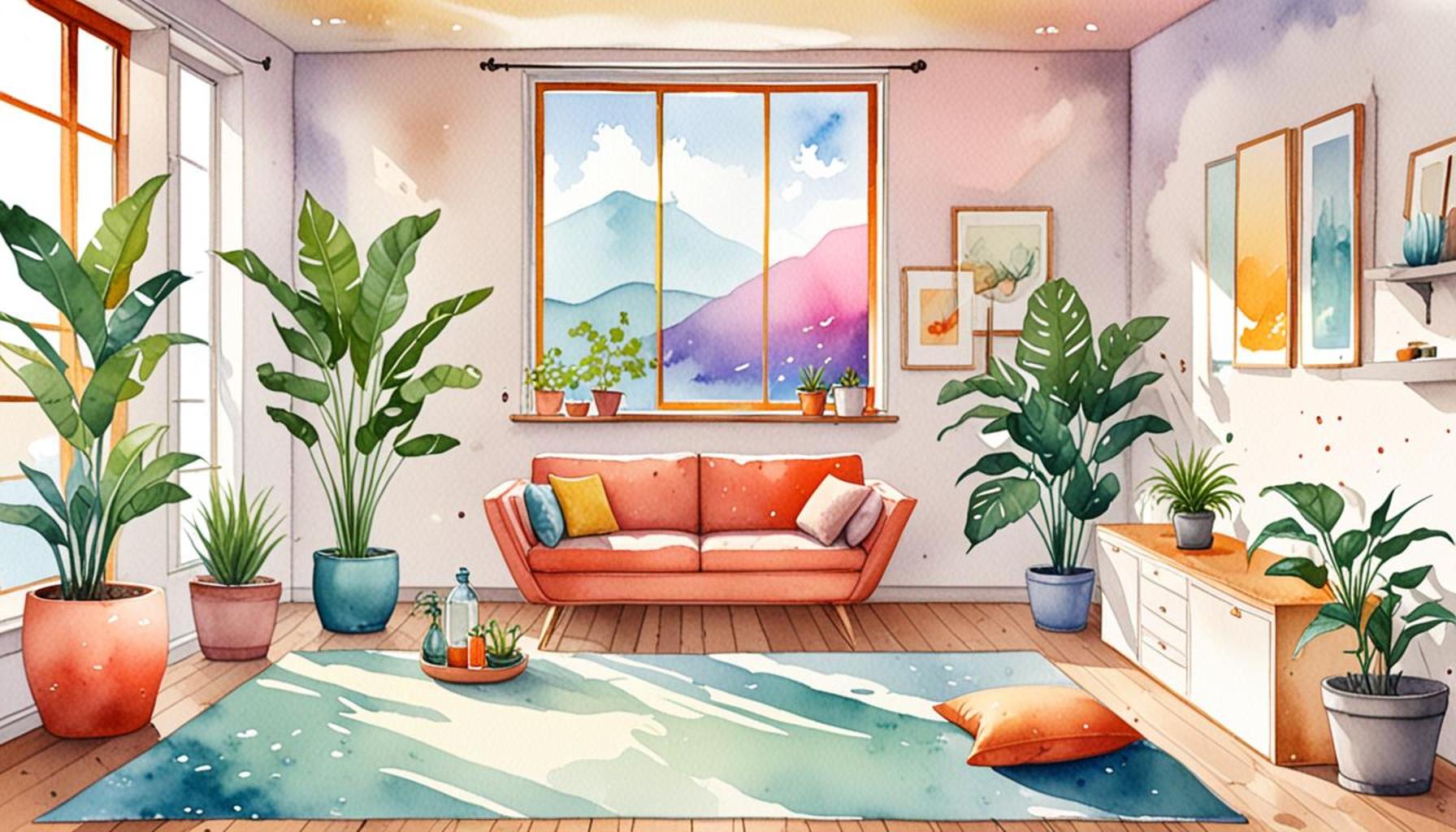
- Designate Calm Zones: Create specific areas in your home dedicated to relaxation and reflection. Whether it’s a cozy reading nook or a serene meditation corner, these spaces can become essential for recharging amidst a busy lifestyle.
- Incorporate Natural Elements: Bringing nature indoors can enhance your well-being significantly. Utilize houseplants, which not only purify the air but also add visual appeal. Maximizing natural light can further uplift your spirits and create a lively, warm atmosphere.
As you embark on your journey toward creating a minimalist haven, remember that every step contributes significantly to your overall well-being. Embracing this lifestyle not only alters your physical space but also nurtures your mental health. Let’s explore how to begin this transformative process today and discover the peace that awaits in simplicity.
DIVE DEEPER: Click here to learn more about emotional clutter
Transforming Spaces for Mindful Living
To fully embrace mindfulness in a minimalist space, it is essential to understand that the transformation of your home requires a mindful approach. Every object in a minimalist setting should serve a purpose or evoke emotion, fostering a sense of clarity and peace. This is not simply about reduction; it’s about intentional design choices and creating an environment that promotes a harmonious lifestyle. By making deliberate decisions about what resides in our home, we pave the way for mental tranquility.
The Psychology Behind Minimalism
Minimizing clutter does more than just aesthetically enhance your space; it profoundly impacts your psychological state. According to a study published in the journal Environment and Behavior, higher levels of clutter correlate with decreased focus and increased anxiety. Thus, cultivating a minimalist space becomes more than an aesthetic choice—it can be a crucial precursor to stress relief and a clear mind.
Moreover, the practice of minimalism allows individuals to invest in quality over quantity. By choosing thoughtfully crafted, meaningful items, spaces flood with positivity and resonate with one’s personal journey. This intentional selection cultivates an atmosphere that not only speaks to our visual preferences but also aligns with our values and well-being.
Integrating Mindfulness Techniques
Transitioning to a mindful minimalist lifestyle involves integrating specific techniques designed to enhance your awareness of the space around you. Here are some foundational steps that can facilitate this integration:
- Start with a Vision: Visualize the environment you want to create. Consider what feelings you wish to experience in your home, whether that’s tranquility, inspiration, or joy. Use these as a guiding framework when selecting decor and furniture.
- Utilize a Minimalist Color Palette: Colors can significantly impact mood. Soft, neutral tones like whites, grays, and earthy hues promote relaxation, while splashes of color can invigorate a dull space. By harmonizing colors throughout your home, you foster a serene atmosphere conducive to mindfulness.
- Create a Decluttering Ritual: Establish a ritual for decluttering, such as a weekly reassessment of your space. This practice not only keeps clutter at bay but also encourages ongoing awareness of what items contribute positively or detract from your mental clarity.
Incorporating these strategies can assist in establishing a peaceful home. As you take the time to create a minimalist atmosphere, you’re not just renovating spaces; you are actively molding your mental landscape, thereby nurturing habits of mindfulness that extend into all areas of life.
As we delve deeper into constructing a refuge of calm and clarity, we will explore additional methods to enhance this journey, inviting you to further engage with the principles of minimalist living and mindfulness.
| Advantage | Description |
|---|---|
| Increased Focus | A minimalist space minimizes distractions, allowing for greater mental clarity and enhanced focus on tasks at hand. |
| Emotional Well-being | Simplifying your environment can lead to a significant reduction in stress, promoting feelings of serenity and calmness. |
As you delve deeper into the transformative power of minimalism, consider how an uncluttered environment can foster mental stillness. Each item within your home should have a purpose, as this not only enhances functionality but also cultivates a profound sense of peace. By eliminating excess, you create space for mindfulness practices such as meditation, which thrive in tranquil settings. Additionally, the emotional benefits of a minimalist lifestyle can be significant. Studies have shown that living in a more ordered environment can lead to lower levels of anxiety, enabling individuals to cultivate a more positive mindset. Each decluttered room becomes a sanctuary, facilitating a rejuvenating retreat from the chaos of everyday life.This approach encourages a deeper connection with yourself and promotes self-awareness, allowing you to flourish in an oasis of calm. Thus, cultivating mindfulness in a minimalist space not only transforms your home but also enhances your overall quality of life.
LEARN MORE: Click here to enhance your decluttering journey
Creating Spaces that Inspire Serenity
The essence of transforming your living environment into a sanctuary lies in understanding how the elements within your space interact with your sense of self. By consciously crafting your surroundings to evoke mindfulness, you usher in a wave of tranquility that promotes mental clarity and emotional well-being.
Fostering Connection with Nature
One of the most potent techniques to enhance mindfulness in a minimalist setting is to incorporate natural elements. Known as biofilia, this concept emphasizes our intrinsic connection to nature. Research suggests that exposure to natural elements, such as sunlight or greenery, has restorative effects on mental health and reduces stress levels. For instance, introducing houseplants like snake plants or peace lilies can not only purify the air but also provide vibrant visual cues that calm the mind. By choosing a few well-placed plants, you can create a peaceful oasis that embodies both beauty and vitality.
Creating Zones for Mindfulness Practices
Designating specific areas within your minimalist home for mindfulness practices can further enrich your journey. Consider carving out a meditation nook, complete with a comfortable cushion, soft lighting, and inspiring artwork. This area serves as a physical reminder to pause and reconnect with yourself amidst life’s distractions. If space permits, a small nook for yoga or stretching can also elevate your home into a dedicated space for wellness. Allocate time during your day to engage in these practices, creating a structure that encourages consistency and deepens your state of mindfulness.
Incorporating Sensory Experiences
To cultivate a multi-sensory experience within your minimalist space, engaging all five senses can greatly enhance mindfulness. For example, incorporating soft textiles like bamboo or organic cotton in the form of throws and cushions can introduce a tactile comfort that soothes the body. Similarly, scent plays a powerful role in mood enhancement. Consider diffusing calming essential oils such as lavender or chamomile to evoke a relaxing atmosphere. Such simple yet effective changes can turn an ordinary space into a refuge where each element has significance.
- Soundscapes: The auditory environment can significantly affect your mental state. Consider integrating a sound machine that mimics the calming effects of nature, whether it’s gentle rain, ocean waves, or a light breeze. These soundscapes can serve as a backdrop for meditation or relaxation, further enhancing the mindful atmosphere.
- Functional Furniture: Choose furniture that not only serves a purpose but offers comfort. For instance, a simple yet well-crafted wooden chair can anchor a space while promoting good posture and inviting moments of reflection.
By weaving these sensory experiences into your minimalist home, you amplify the potential for mindfulness, ensuring that your living space is a true reflection of inner and outer peace. Every item chosen and every corner designed becomes a conscious choice towards cultivating a life of clarity and calm.
As you continue to refine your home into a serene minimalist haven, remember that the journey is a continual evolution. With each thoughtful addition or removal, you are not just reshaping your surroundings but also inviting in the mindfulness that will resonate deeply within your life.
DIVE DEEPER: Click here to learn more
Embracing Mindfulness: A Transformative Journey
In conclusion, cultivating mindfulness in a minimalist space is not merely about decluttering; it’s about creating an environment that promotes calm, clarity, and intentional living. By understanding the interplay between your surroundings and your mental state, you have the power to transform your home into a sanctuary that enhances your well-being. The integration of natural elements, designating zones for mindfulness practices, and incorporating sensory experiences are all pivotal steps in fostering a serene atmosphere.
As we navigate through today’s fast-paced world, committing to a minimalist lifestyle serves as a reminder to slow down and prioritize what truly matters. By making thoughtful choices in our decor and daily routines, we can set the stage for deeper self-reflection and mindfulness. Each plant nurtured, each corner designed for wellness, and each calming scent infused into the air contributes to a holistic experience that supports our journey towards inner peace.
Remember, the process of transforming your home into a refuge is a continuous evolution. Regularly take stock of your space and reassess what brings you joy, comfort, and tranquility. Just as mindfulness is a practice, so too is the art of creating a space that reflects your values and aspirations. As you embark on this journey, you may find that the minimalism you cultivate in your surroundings spills over into other aspects of your life, leading to a more fulfilling and present existence.
Ultimately, your home can become a mirror of your mind—clear, serene, and inviting. So, step into this mindful practice and watch as your space transforms into a true haven for your body and soul.