Minimalist Lifestyles: How the Philosophy of Less Can Increase the Functionality of Your Space
Understanding Minimalism’s Impact
In a world that often feels overwhelming, the idea of simplifying can be both refreshing and transformative. The minimalist lifestyle promotes the concept of “less is more,” encouraging individuals to find clarity in their spaces. This philosophy goes beyond aesthetics; it fundamentally alters how we interact with our surroundings. As we navigate daily distractions, embracing minimalism can serve as a beacon of hope, guiding us toward more intentional living.
The Benefits of Minimalism
Adopting a minimalist approach can lead to profound improvements in various aspects of life. Here are a few key advantages:
- Enhanced functionality: By reducing clutter, each item in your home or workspace serves a specific purpose, making it easier to locate necessary items when needed. For example, a kitchen with only essential cooking tools can streamline meal preparation and reduce stress during busy evenings.
- Increased focus: A minimal environment fosters mental clarity, allowing for better productivity. Studies suggest that clutter can negatively impact our ability to concentrate, making minimalism a strategic choice for those seeking to enhance their output, especially in dynamic workplaces or home offices.
- Emotional well-being: Letting go of excess can alleviate stress and create a sense of calm. The act of decluttering not only cleans physical spaces but also contributes to clearing mental space, leading to reduced anxiety and enhanced emotional health.
Curating Your Space Thoughtfully
Transitioning to a minimalist lifestyle doesn’t mean sacrificing comfort or style. Instead, it involves a thoughtful approach to curating your possessions and organizing your environment. Here are some elemental aspects that define this philosophy:
- Quality over quantity: Investing in fewer, high-quality items enhances long-term satisfaction. For instance, rather than purchasing a plethora of trendy clothing items, consider investing in timeless, versatile pieces that you love and will wear often.
- Multi-functional furniture: Pieces that serve multiple purposes maximize space and utility, which is particularly beneficial for those living in smaller apartments. Consider a sofa bed for guests or a coffee table with storage to minimize clutter while making your living area functional.
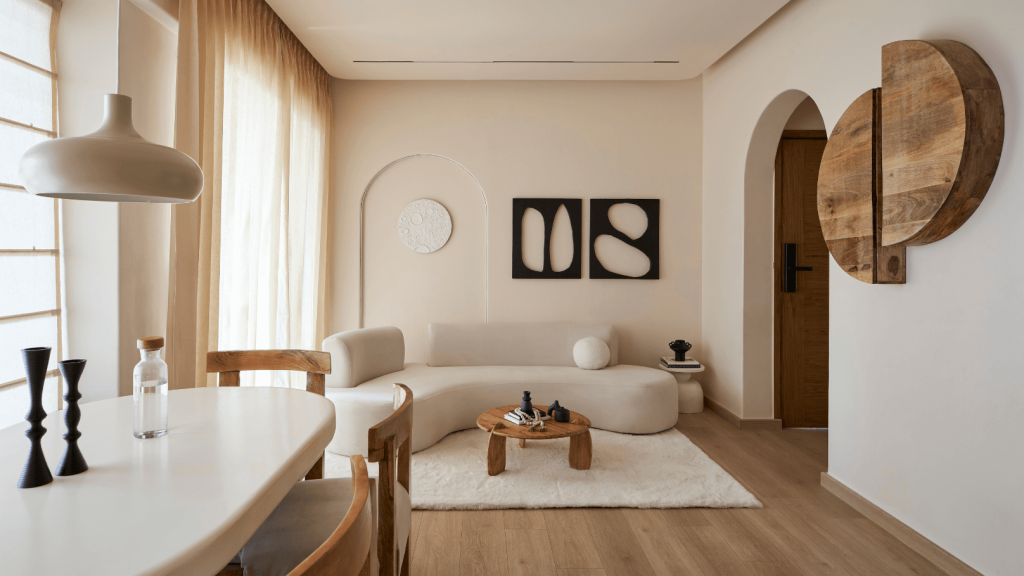
- Intentional designs: Simple and clean aesthetics create a serene atmosphere. The use of neutral colors, sleek lines, and natural materials can contribute to a calm environment, making it easier to relax and unwind after a hectic day.
Minimalism as a Path to Meaning
As we delve deeper into the principles of minimalism, we discover how adopting this lifestyle can be your pathway to a more functional and fulfilling space. By embracing the concept of “less,” individuals often find themselves not only decluttering physical spaces but also prioritizing what truly matters in life, like experiences over possessions. The journey of minimalism encourages introspection, helping many assess their values and beliefs. People often report a renewed focus on personal development, hobbies, and relationships, transforming their lives holistically.
Ultimately, minimalism is more than just a design choice; it is a philosophy that encourages mindfulness and intentionality in all aspects of life. For those looking to reduce stress and enhance joy, the potential of “less” can lead to a more meaningful existence. Explore the possibilities that minimalism offers, and consider how it might reshape your own approach to life.
DISCOVER MORE: Click here to uncover the link between clutter and creativity
Defining Minimalism in Modern Living
At its core, minimalism is about removing the excess to make room for what truly matters. In a culture that often equates success with material possessions, minimalism challenges this narrative, suggesting that simplicity can lead to a more meaningful and functional life. The minimalist lifestyle encourages a reassessment of our belongings, prompting individuals to curate their spaces not just for appearance, but for purpose. This exploration of space is critical for those seeking to improve functionality while fostering tranquility.
The Psychological Shift Towards Less
The minimalist movement is not merely a trend; it represents a psychological shift in how we view material goods and our environments. Research has shown that our surroundings can significantly influence our mental states. Clutter can lead to feelings of anxiety and overwhelm, while an organized, minimal space can inspire calmness and focus.
- Stress Reduction: A clean and simple environment minimizes distractions, allowing individuals to find mental clarity. By focusing on fewer possessions, we can devote our cognitive resources to more meaningful activities and experiences.
- Improved Creativity: The process of reducing unnecessary items can stimulate creative thinking. A less cluttered environment encourages out-of-the-box thinking, as your mind can roam freely without the weight of clutter.
- Better Decision-Making: Streamlined spaces lead to quicker and more decisive choices. With fewer options available, the decision-making process becomes straightforward, enabling quicker transitions and less mental fatigue.
Practical Steps to Embrace Minimalism
<pFor those ready to transition toward a minimalist lifestyle, simple yet effective strategies can be implemented. Start by looking around your home or office with a critical eye. Here are some practical steps to consider:
- Decluttering Regularly: Set aside time each month for decluttering. Decide which items you truly use and love, and let go of the rest. Consider the one-year rule: if you haven’t used it in a year, it may not be essential.
- Mindfully Organizing: Create specific zones for different activities, such as reading, working, or relaxing. By establishing designated areas, it becomes easier to maintain organization and focus.
- Digital Simplification: Minimalism extends beyond physical spaces; consider decluttering your digital life as well. Unsubscribe from unnecessary emails, organize files thoughtfully, and eliminate apps that do not serve a purpose.
Minimalism and Sustainability
Incorporating minimalism into your lifestyle can also align closely with sustainable practices. By consciously consuming less, we reduce waste and promote a healthier planet. The synergy between minimalism and sustainability provides additional motivation to embrace this lifestyle. Through thoughtful consumption and a focus on quality over quantity, individuals can contribute to a larger movement toward environmental responsibility.
Ultimately, the philosophy of less invites us to explore new perspectives on our living spaces. As we embrace minimalism, we create environments that are not just functional, but also rich in meaning and joy. This journey is not about deprivation; it is about empowerment through intentionality, leading to a more fulfilling existence.
| Advantage | Description |
|---|---|
| Simplicity in Design | Minimalist design strips away excess, focusing on clean lines and functional forms, enhancing both aesthetics and usability. |
| Improved Organization | Emphasizing only what is necessary promotes a sense of order and clarity, making it easier to locate items and maintain a tidy environment. |
The minimalist lifestyle encourages individuals to evaluate their possessions and retain only those items that genuinely serve a purpose or bring joy. This philosophy directly impacts the functionality of living spaces, as it cultivates an environment that fosters productivity and tranquility. The removal of distractions allows for better focus, transforming spaces into more functional areas for work or relaxation.Incorporating minimalist principles doesn’t only relate to physical items; it also extends to digital spaces. By embracing a more minimalist approach to technology, individuals can streamline their digital lives, reducing clutter in both their physical and virtual environments. In a world that demands constant attention, this approach can lead to enhanced peace of mind and an optimized workflow, enabling creativity to flourish amidst simplicity. As you explore the philosophy of minimalism further, consider how even small changes in your surroundings can lead to profound improvements in your daily life and overall functionality.
DIVE DEEPER: Click here for insights on creating tranquil spaces
Transforming Spaces: The Aesthetic of Minimalism
The aesthetic appeal of a minimalist lifestyle cannot be overstated. Minimalism goes beyond just decluttering; it embraces a philosophy deeply rooted in design principles that prioritize functionality and beauty. When one removes unnecessary distractions, the remaining elements are often those that truly resonate, creating a harmonious environment across homes and workplaces.
Embracing Open Spaces
An essential aspect of minimalist design is the embrace of open spaces. By reducing the number of objects in a room, one can create a sense of flow and freedom. This approach mirrors the modern architectural trend seen in many new American homes, where open floor plans promote a seamless connection between different areas.
- Natural Light: Open spaces allow natural light to permeate, enhancing the ambiance of the environment. Light plays a critical role in mental well-being and productivity, helping to create a welcoming and uplifting atmosphere.
- Versatility: A minimalist space can be easily adapted for various functions. With fewer items, one can change the layout without the burden of excessive possessions, making it easier to host gatherings or create dedicated workspaces as needed.
- Emphasizing Quality: Aesthetics in minimalist design focus on the quality of the few items present. Invest in well-crafted furniture and meaningful decor instead of numerous low-quality items, elevating the overall design of the space.
Minimalism in Practical Living
Incorporating the minimalist philosophy into daily routines can also enhance functionality. Think of minimalism as a lifestyle hack—streamlining tasks and making everyday life more efficient. This can be particularly beneficial in fast-paced environments such as busy urban areas, where stress levels can often escalate.
- Efficient Storage Solutions: Minimalist principles encourage the use of smart storage solutions. Opt for multi-functional furniture that provides storage while retaining a sleek look, such as ottomans that can hold items or bed frames with drawers.
- Functional Decor: Seek out pieces that serve multiple purposes. For instance, a stylish wall shelf can display books and also function as a workspace, reducing the need for extra furnishings that consume space.
- Routine Simplification: Minimizing choices, like streamlining your wardrobe, can save time during everyday tasks. Consider a capsule wardrobe filled with items that can be mixed and matched, ultimately reducing decision fatigue.
The Emotional Benefits of Minimalism
Beyond the physical space, minimalism nurtures emotional well-being. In the emotional landscape of modern life, where external pressures abound, cultivating a simple environment can bring grounding and comfort.
- Mindfulness: Living more minimally encourages mindfulness, as individuals become more aware of their surroundings and the significance of what they choose to keep. This intentionality fosters a deeper appreciation for both space and belongings.
- Enhanced Relationships: By removing distractions, individuals can invest more time into relationships. A simple, clutter-free space invites conversations, and shared experiences rather than focusing on possessions.
- Personal Growth: The journey of minimalism often leads to self-discovery. It challenges individuals to question their values, establish priorities, and ultimately create a life spent on passions rather than possessions.
This exploration of minimalist living encapsulates the philosophy of “less is more.” As individuals navigate their spaces, they uncover the potential for functionality, beauty, and emotional clarity—all of which collectively contribute to a rich and fulfilling life.
DISCOVER MORE: Click here to dive deeper
Conclusion: The Lasting Impact of Minimalist Lifestyles
In a world that often glorifies excess, embracing a minimalist lifestyle offers a refreshing antidote. By understanding that “less is more,” individuals can transform their spaces into functional havens that promote clarity, peace, and creativity. The principles of minimalism extend beyond simple decluttering; they encourage a mindful reconsideration of what truly adds value to our lives.
From maximizing natural light to promoting versatility in design, minimalist principles shape environments that foster emotional well-being and enhance productivity. As modern life grows increasingly hectic, the intentionality behind choosing fewer physical possessions can lead to greater emotional clarity and reduce overwhelm. The emotional benefits of minimalism extend to strengthened relationships, as shared spaces devoid of distraction invite deeper connection and conversation.
Furthermore, adopting efficient storage solutions and functional decor not only elevates the aesthetic of one’s home but also simplifies daily routines, ultimately contributing to a more efficient lifestyle. In cities across the United States, where space is often at a premium, the principles of minimalism challenge residents to make smarter choices about their environments.
As you explore the practicality and beauty of minimalism, consider the transformative power it holds in enhancing not only the functionality of your space but also your overall quality of life. By making intentional choices, you can create a sanctuary that reflects your values, nurtures your spirit, and allows you to focus on what truly matters.