Drawing Zen Spaces: The Integration of Minimalism in Creating Calm and Organized Environments
Creating Peaceful Havens
In today’s fast-paced world, many people find themselves overwhelmed by stress and chaos, leading to a strong desire for peace and balance in their lives. A highly effective way to achieve this tranquility is through minimalism, a design philosophy that embodies simplicity and intentionality. By incorporating minimalism into our living and working environments, we can cultivate calm, organized spaces that promote serenity and mental well-being.
The Power of Minimalism
Minimalism is not merely about the physical act of decluttering; it extends into a deeper transformation of our surroundings that enhances mental peace. Key features of minimalist design include:
- Neutral color palettes that soothe the senses, such as soft whites, beiges, and muted earth tones. These hues can create an open feeling, diminishing visual distractions.
- Intentional furniture choices that create open spaces. Selecting fewer pieces that serve dual purposes can help maintain an uncluttered environment, encouraging functionality over mere aesthetics.
- Natural materials like wood, stone, and bamboo that bring the essence of nature indoors. Such elements can foster a sense of connection with the outdoors, which has been shown to positively impact mood and reduce stress.
Implementing these elements allows for designs that breathe, inviting calmness and tranquility into regions that may have felt chaotic or overwhelming. Across the United States, this trend is gaining momentum, fueled by a collective yearning for mindful living that champions experiences over possessions.
Benefits of Zen Spaces
Embracing a minimalist approach bestows a myriad of advantages on individuals seeking peace and clarity:
- Promotes focus and productivity by minimizing distractions. In workplaces designed with minimalistic principles, employees often report feeling more driven and efficient in their tasks.
- Encourages relaxation and mental clarity. Home environments that prioritize minimalism can serve as sanctuaries for decompression after a long day, allowing for mental rest and rejuvenation.
- Fosters emotional well-being with the reduction of excess and clutter, which can often lead to feelings of overwhelm and anxiety.
As we explore the principles of drawing Zen spaces, you’ll discover how these simple yet impactful concepts can fundamentally enhance both your personal and professional environments. By shedding the superfluous and focusing on what truly matters, you can not only create spaces that reflect your values but also elevate your quality of life. The journey towards minimalism can be a transformative one, leading to greater clarity and satisfaction in our increasingly cluttered world.
DIVE DEEPER: Click here to uncover more about gratitude and minimalism</a
Embracing Simplicity for Serenity
The practice of drawing Zen spaces encapsulates the essence of minimalism that resonates well in the bustling environment of modern living. By understanding the core principles of minimalism, individuals can create serene habitats that act as sanctuaries amidst daily chaos. Achieving a Zen space involves more than just removing excess items; it is an intentional process of creating environments that nurture our mental and emotional well-being.
Principles of Zen Spaces
At the heart of drawing Zen spaces lies a set of guiding principles designed to foster tranquility and clarity. These foundational concepts include:
- Clarity in Design: By focusing on a few well-chosen elements, the overall design maintains an open and inviting atmosphere. This involves selecting furniture that is not only aesthetic but is also purposeful in its function, ensuring every piece adds to the calm ambiance rather than detracts from it.
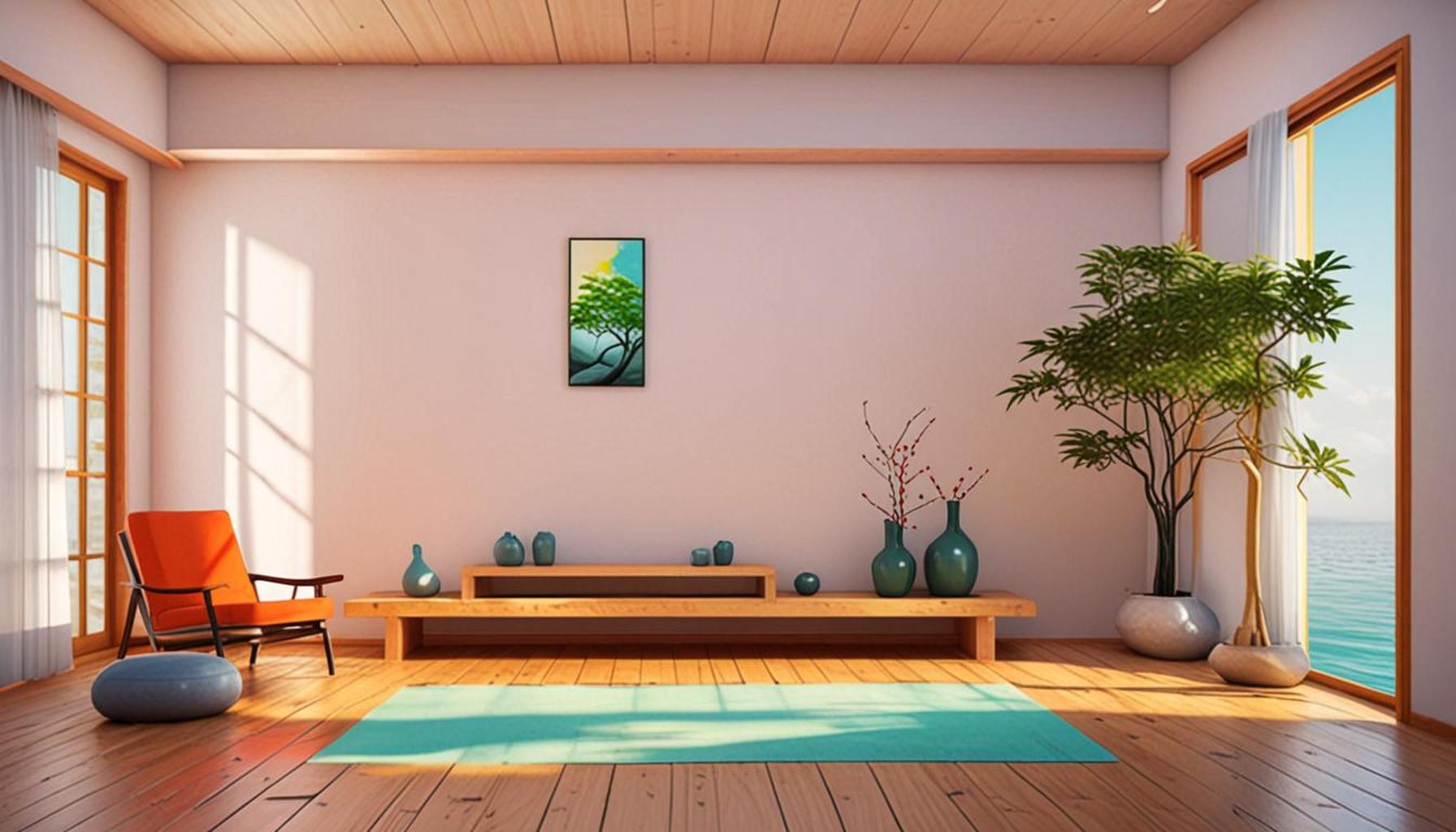
- Natural Light: Maximizing natural light plays a pivotal role in establishing Zen spaces. Large windows and unobstructed views allow sunlight to flow freely, which can uplift spirits and reduce stress levels, while also promoting energy efficiency.
- Mindful Decoration: When it comes to decor, less is often more. Thoughtfully curated artwork or plants can breathe life into a space without overwhelming it. For instance, a single statement piece encapsulated in a serene environment can spark joy without creating visual clutter.
Incorporating these principles into your home or office can profoundly impact your experience of the space. A well-executed minimalist design not only makes a statement but also clears the mind, offering an escape from the rampant distractions of contemporary life.
Transformative Effects of Zen Spaces
The integration of minimalism and mindfulness in design renders transformative effects that extend beyond mere aesthetics. Consider the following benefits:
- Enhanced Creativity: Many creatives find that a clean, organized environment allows their minds to roam freely, fostering innovative ideas. Zen spaces can serve as a blank canvas upon which thoughts can be expressed without the hindrance of clutter.
- Improved Emotional Health: Engaging with minimalist environments has been linked to reduced anxiety and stress levels. By surrounding ourselves with only the essentials, we cultivate a sense of safety and control over our space, allowing our minds to unwind.
- Increased Satisfaction: Living in a beautifully organized space contributes greatly to overall life satisfaction. By aligning our physical environments with our values, we nurture a sense of harmony and fulfillment.
Embarking on the journey to create Zen spaces through minimalism transcends aesthetics—it’s about finding peace in simplicity and clarity. As you dive into this design philosophy, you may uncover a deeper understanding of your own needs and desires, enhancing not just the spaces you inhabit, but also your overall quality of life. The process invites a refreshing outlook on what it means to live mindfully in an ever-evolving world.
Understanding Minimalism in Zen Spaces
Creating a zen environment through minimalism encompasses more than just aesthetic appeal; it also promotes mental clarity and emotional well-being. The essence of minimalism lies in its ability to strip away the unnecessary, allowing space for calmness and focus. One of the defining elements of minimalist design is the use of simple lines, neutral colors, and natural materials which together create an atmosphere that is both tranquil and inviting.
Incorporating just a few carefully chosen decor items instead of cluttering the space helps to foster a sense of calm. For instance, the inclusion of a single beautiful piece of artwork or a well-placed plant can become a centerpiece that enhances feelings of serenity. As you adjust these aspects of your environment, you may find an inherent balance and peace that encourages relaxation and creativity, pivotal for achieving a zen lifestyle.
The practice of decluttering is closely linked to the creation of zen spaces. By removing distractions and excess items, individuals can create environments that promote clarity of thought. This aligns with the principles of mindfulness, where the focus shifts to appreciating the simplicity and beauty in everyday life. As awareness grows, so does the understanding of space; every corner reflects intention, offering both aesthetic value and harmony.
Natural light also plays a crucial role in establishing a zen atmosphere. It not only illuminates the space but enhances mood and energy levels. Large windows, open layouts, and the strategic use of mirrors can amplify the effects of natural light, inviting an uplifting ambiance into your home.
The Role of Color in Zen Design
Color selection is another critical aspect of minimalism in zen spaces. Soft, muted colors dominate the palette, bringing a sense of calm and tranquility. Shades of white, beige, and pastel tones encourage relaxation while fostering an inviting environment conducive to peaceful reflection. Using colors that resemble nature, such as greens and browns, can further connect the indoor space with the tranquility found outdoors.
The psychological impact of colors cannot be overstated; they have the potential to influence emotions and behaviors significantly. Incorporating colors that evoke a sense of peace and balance can transform your surroundings into a true sanctuary where stress dissipates, and mindfulness flourishes. Each design choice contributes to a profound experience of beauty, simplicity, and tranquility that resonates on a deeper level, steering you toward a more balanced lifestyle.
As you embrace minimalism in your personal space, consider how these elements serve not just to beautify, but to create an environment that caters to emotional and mental well-being. The integration of these concepts forms a path to understanding and achieving the true essence of a zen living space.
| Category | Advantages |
|---|---|
| Improved Focus | Minimalism reduces distractions, leading to increased productivity and concentration. |
| Enhanced Calmness | A simplified environment fosters tranquility, reducing stress levels and promoting emotional well-being. |
DIVE DEEPER: Click here to learn about living sustainably
The Role of Color and Texture in Zen Spaces
Another crucial aspect in drawing Zen spaces lies in the thoughtful selection of color palettes and textures. These elements play a significant role in shaping the overall atmosphere and emotional resonance of a room. By understanding how color and texture influence mood, individuals can heighten the calming effects of their environments.
Color Psychology in Minimalist Design
Color can evoke deep feelings and reactions, making it an essential tool for creating a serene environment. In minimalist design, softer, neutral tones—such as whites, beiges, and muted greens—are often favored for their ability to create a sense of tranquility. These colors can reflect light beautifully, enhancing the feeling of spaciousness and clarity. For example, a well-placed pale sage green accent wall can instill a sense of calm, reminiscent of nature’s greenery.
Studies have shown that color can significantly impact emotional well-being. For instance, the color blue is commonly associated with calmness and peace, while shades of yellow can inspire happiness and energy. When designing Zen spaces, it’s beneficial to consider both the strategic use of neutral base colors and the inclusion of accent colors that evoke specific emotions without overwhelming the senses.
Incorporating Texture for Depth and Comfort
While minimalism advocates for simplicity, the importance of texture cannot be understated. Different textures can add depth and interest to a Zen space, breaking the monotony of a room without introducing clutter. Materials such as wood, natural fibers, or stone create an organic feel, connecting the indoor environment to the natural world outside.
For example, a smooth, dark wood table paired with soft linen cushions can create an inviting atmosphere that invites comfort. The tactile experience of varied textures not only pleases the senses but also encourages mindfulness, enhancing one’s ability to experience calmness in the space.
The Power of Indoor Plants
Integrating plants into Zen spaces is a popular approach that works beautifully within the framework of minimalism. According to various studies, indoor plants can improve air quality while contributing positively to one’s mental health. The lush greens can create a powerful contrast against neutral backgrounds, establishing a vibrant yet calming oasis.
Additionally, popular low-maintenance plants, such as snake plants or peace lilies, can thrive even in less illuminated areas, making them excellent choices for those seeking the benefits of nature without the obligations of complex care routines. The act of tending to plants can also serve as a meditative practice, reinforcing the connection between mindful living and a minimalist lifestyle.
Creating Flow and Functionality
Zen spaces should facilitate both flow and functionality. This means designing layouts that allow for natural movement and interaction while ensuring that every element serves a purpose. Open floor plans with strategically placed furniture can enhance the sense of freedom within the space, making it easier for the occupants to engage with their environment actively.
For instance, incorporating multi-functional furniture, such as a sleek, minimalist coffee table that doubles as storage, can help maintain the orderliness of a Zen space. By smartly intertwining simplicity with functionality, one can cultivate a sense of organization that promotes peace and clarity in day-to-day life.
In sum, by marrying color theory, texture, natural elements, and purposeful design, individuals can effectively draw Zen spaces that radiate calmness and support organized living. These qualities are essential not only for enhancing aesthetic appeal but also for fostering a holistic sense of well-being in a world that often feels tumultuous and busy.
DISCOVER MORE: Click here to dive deeper
Conclusion
In a world that often seems filled with chaos and distraction, drawing Zen spaces through the integration of minimalism offers a refreshing remedy. This design philosophy not only prioritizes aesthetic appeal but also fosters mental clarity and emotional well-being. By embracing the principles of color psychology, thoughtful texture application, and strategic layouts, individuals can cultivate environments that deeply resonate with tranquility and harmony.
Taking the time to consider how colors and textures work together allows homeowners to enhance their spaces effectively. Shades that evoke calmness, paired with varied textures that provide sensory engagement, can transform ordinary rooms into peaceful sanctuaries. Incorporating elements of nature, such as indoor plants, further deepens this connection, creating living spaces that breathe life and promote relaxation.
Furthermore, embracing functionality within minimalist design paves the way for seamless flow and organization. By minimizing visual clutter and ensuring that each object in a Zen space serves a purpose, residents can experience a greater sense of clarity and peace amid their daily routines. This delicate balance of practicality and simplicity is key in achieving a truly serene environment.
As we increasingly seek ways to enhance our well-being amidst life’s demands, the practice of drawing Zen spaces stands out as not just a design choice, but a holistic approach to living mindfully. By exploring the harmonious blend of minimalist elements, anyone can discover the transformative power of creating an organized, calming refuge in their own home.