The Psychology of Space: How Minimalist Organization Can Impact Your Well-Being and Creativity

Exploring the Interplay Between Our Environment and Mental Well-Being
In an increasingly chaotic world, the way we organize our spaces can have profound implications on our mental state. Studies suggest that a pristine environment not only promotes clarity but also fosters creativity. The physical spaces we inhabit influence our mood, productivity, and overall mental health in ways that deserve closer examination.
Consider the following factors:
- Clutter and Stress: Numerous psychological studies have shown that physical disarray can lead to increased anxiety levels. For example, a Stanford University study found that individuals in cluttered environments experienced higher levels of stress compared to those in organized spaces. The visual overload of clutter not only distracts but can trigger feelings of overwhelm, exacerbating stress and anxiety. This is especially relevant in the United States, where hectic urban living often contributes to a fast-paced lifestyle that can feel chaotic.
- Creativity Boost: Clean and minimalistic spaces can enhance imaginative thought. A study published in the Journal of Environmental Psychology found that individuals working in uncluttered environments performed better on tasks requiring creative thinking. By reducing distractions, a minimalist setup allows for deeper cognitive processes and imaginative ideas to flourish. This explains why many innovative companies, such as Google and Apple, embrace open and clutter-free workspaces to inspire creativity among their employees.
- Focus and Productivity: A tidy workspace can improve concentration and efficiency. Research indicates that individuals who maintain an organized desk are more productive and less likely to procrastinate. In a study from the University of Minnesota, participants working in clean environments completed tasks more quickly than those in disorganized settings. This highlights how the organization of personal and professional spaces directly correlates with performance levels.
As we navigate the complexities of modern life, understanding the relationship between our surroundings and mental well-being becomes vital. Minimalism transcends being a mere design trend; it reflects a deeper psychological need to find peace within the chaos. With consumerism and clutter dominating contemporary culture, the minimalist movement promotes a return to simplicity, urging individuals to focus on what truly matters.
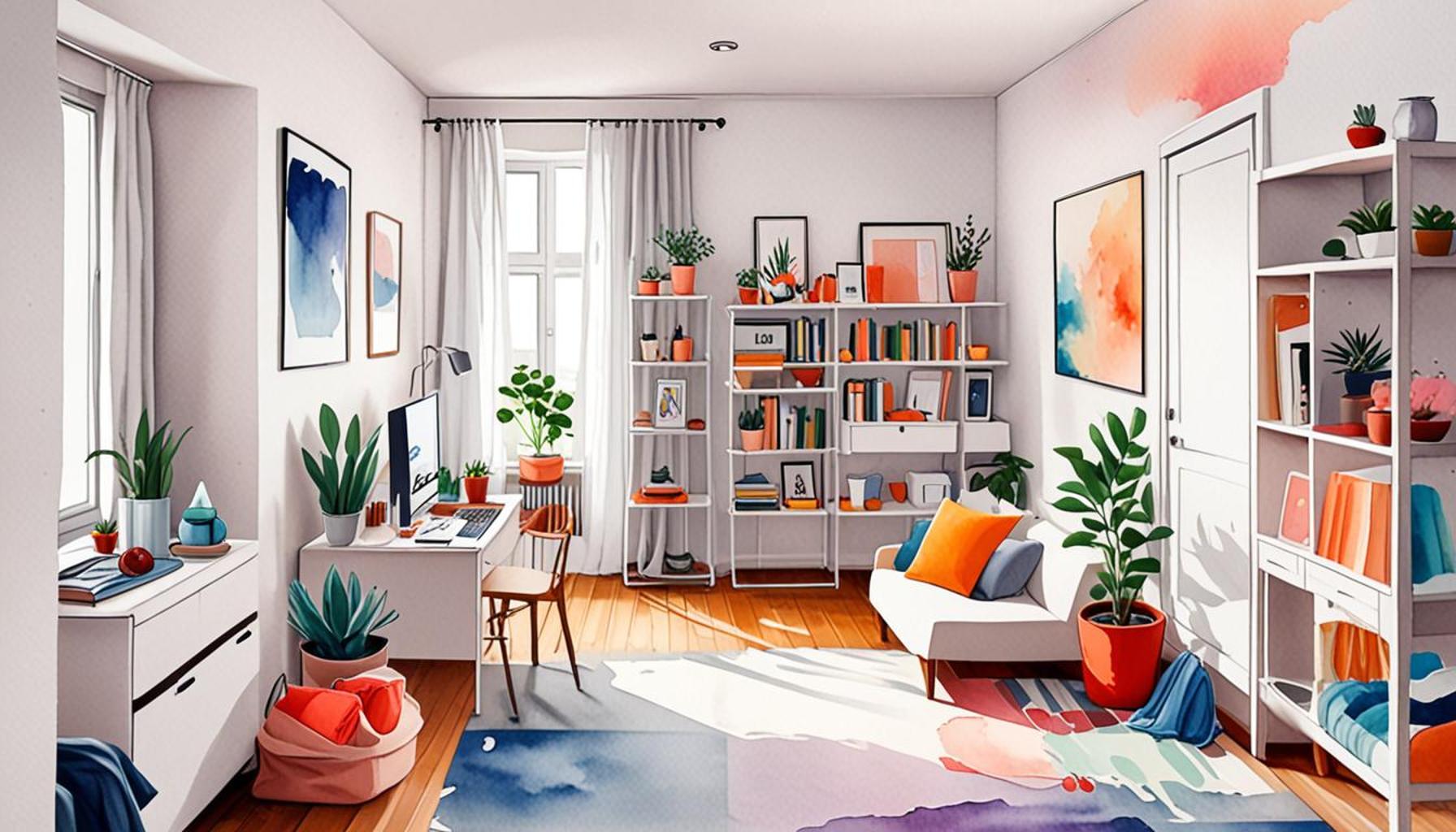
Whether it’s a cozy home office filled with natural light and inspiring decor, or a serene bedroom designed for relaxation, the layout and organization of these spaces can significantly impact our daily lives. Furthermore, as many people continue to work from home, creating an environment that nurtures productivity and creativity becomes increasingly essential.
Thus, embracing a minimalist approach can be a key to unlocking creativity and improving overall happiness. By stripping away the non-essential and maintaining a focused, inviting space, individuals can cultivate an atmosphere that not only enhances well-being but also encourages a more fulfilling and balanced life.
DISCOVER MORE: Click here to dive deeper
The Correlation Between Space and Mental Clarity
Exploring how our environment shapes our mental state is a fascinating journey into the human psyche. When we delve deeper into the effects of minimalism on well-being, it becomes clear that a thoughtfully organized space is not just about aesthetics; it plays a crucial role in our mental clarity and emotional health. The idea is simple: less clutter leads to less stress. This can lead to a profound shift in how we interact with our surroundings.
Many individuals might overlook the psychological burden that clutter imposes. Over time, an accumulation of items can act like a weight on our minds, distracting us from our goals and muddling our thoughts. Studies show that people surrounded by clutter are more likely to report feelings of frustration and exhaustion. In fact, a study by Princeton University Neuroscience Institute demonstrated that physical clutter can detract from our ability to focus and process information, creating a detrimental cycle of distraction and decreased productivity.
Organizational Techniques and Their Psychological Benefits
Implementing minimalist organization doesn’t have to be daunting; there are several effective techniques that can enhance both creativity and well-being. Here are a few strategies that can transform your space and mindset:
- Declutter Regularly: Make it a habit to regularly assess your belongings. Focus on keeping only the items that you use or love, creating a more meaningful connection with your possessions.
- Establish Clear Zones: Designate specific areas within your home or workspace for different activities, such as relaxing, working, or socializing. This helps your brain associate certain spaces with specific functions, reducing cognitive load.
- Incorporate Natural Elements: Use plants and natural lighting to bring a sense of calm and freshness into your space. Research shows that biophilic design can significantly enhance mood and creativity.
- Adopt a Color Palette: Stick to a minimalistic color scheme. Soft, neutral colors can foster tranquility, while strategically placed vibrant accents can stimulate creativity.
Understanding the psychological benefits of these techniques can encourage individuals to make changes in their environments. Simple adjustments lead to a clearer mind and an enhanced sense of purpose. Not only do organized spaces invite productivity, but they can also encourage a more fulfilling lifestyle, allowing individuals to engage fully in their creative pursuits.
The continuous push for minimalism in our physical spaces acts as both a reflection of personal values and a catalyst for mental well-being. In the fast-paced landscape of modern living, cultivating a minimalistic approach can help create a sanctuary where clarity reigns and creativity thrives.
| Advantage | Impact |
|---|---|
| Enhanced Focus | Decluttering spaces leads to improved concentration, creating an ideal environment for creativity and productivity. |
| Reduced Stress | Minimalist organization contributes to a calmer psyche, mitigating feelings overwhelm and anxiety. |
The psychology of space suggests that our environment can heavily influence our mental well-being. Embracing a minimalist design leads not only to visually pleasing settings but also to behavioral changes that enhance life quality. As one declutters their surroundings, it can result in heightened awareness and mindfulness. This, consequently, fosters creativity by allowing the mind to wander and explore without the chaos of a crowded space.Moreover, studies indicate that individuals who maintain an organized environment report higher levels of productivity and less distraction. This speaks volumes about how creating an intentional space can directly result in improved mental health outcomes. Engaging in minimalist practices—where every object has a purpose—thereby promotes a sense of control and clarity in one’s life, driving habitual changes that unlock greater well-being and creative potential.
DISCOVER MORE: Click here to learn how decluttering can enhance your decision-making
Harnessing Minimalism for Enhanced Creativity
The relationship between organized spaces and heightened creativity is well documented, and this connection is truly fascinating. When we simplify our environments, we create a backdrop that encourages innovative thinking. Research indicates that a minimalist environment fosters greater cognitive flexibility, allowing individuals to think outside the box and develop new ideas. In the realm of creative professionals, such as artists and writers, the freedom to explore imaginative possibilities is critical. By eliminating distractions, they can better immerse themselves in their creative processes.
For instance, consider the workspace of renowned designer Steve Jobs, who famously championed simplicity in both his products and his environment. His office, devoid of unnecessary clutter, served to streamline focus and encourage collaboration. Jobs understood that creativity thrives in environments where distractions are kept at bay, enabling teams to concentrate on their passion projects. This philosophy extends beyond tech giants; many creatives find that an organized space directly translates to more productive output and better quality ideas.
Well-Being Through Minimalist Spaces
Psychologists have long argued that our surroundings powerfully influence our emotions and behaviors. The act of organizing one’s space can be a therapeutic ritual that promotes mindfulness and reduces anxiety. A study conducted by the Journal of Environmental Psychology showed that individuals who engaged in decluttering activities reported significant reductions in stress levels and negative emotions. This aligns with the concept of environmental psychology, which explores the impact of physical spaces on mental well-being.
Minimalism also opens up the possibility for creating a more intentional lifestyle. This approach encourages individuals to focus on the items and activities that bring genuine joy and fulfillment. Researchers have noted that individuals who practice intentionality experience improved mood and satisfaction. For example, adopting the “one in, one out” philosophy—where you remove an item for every new one you introduce—can help maintain a clutter-free environment while emphasizing quality over quantity.
Digital Minimalism: A New Frontier
As we navigate the complexities of digital technology, the principles of minimalism extend to our virtual spaces as well. Increased screen time and overwhelming digital clutter—such as countless files, emails, and notifications—can lead to cognitive overload, hampering creativity and overall well-being. Experts suggest adopting strategies of digital minimalism, which involves curating one’s digital presence to eliminate distractions and foster a clearer mindset.
- Unsubscribe and Unfollow: Regularly clean up your digital subscriptions and social media accounts, focusing only on content that inspires or provides value.
- Schedule Tech-Free Time: Set aside periods during the day to disconnect from all devices, allowing your mind to recharge and brainstorm naturally without digital interference.
- Organize Digital Files: Just like physical spaces, well-organized digital files lead to enhanced focus. Create folders and categorize content to streamline access to needed information.
By embracing the principles of minimalist organization, both in the physical and digital realms, individuals can cultivate spaces that are not just easy on the eyes but also instrumental in promoting mental clarity and creative growth. This holistic approach encourages a lifestyle designed to thrive on simplicity, focusing on what truly matters for personal growth and happiness.
DISCOVER MORE: Click here to learn how minimalism enhances relationships
Conclusion: The Transformative Power of Minimalist Organization
In exploring the psychology of space, we uncover a profound connection between our surroundings and our mental state. The principles of minimalist organization reveal that a decluttered environment not only enhances creativity but also contributes significantly to our overall well-being. As research demonstrates, when we simplify our spaces, whether physical or digital, we provide ourselves with a fertile ground for cognitive flexibility and innovative thought. This newfound clarity allows creative minds to explore ideas without distraction, paving the way for groundbreaking work.
Our mental health is closely intertwined with the spaces we inhabit. Engaging in minimalist practices has been shown to eliminate stress and promote mindfulness, which can recalibrate our emotional balance. This intentional lifestyle encourages us to cherish what truly matters, leading to increased satisfaction and happiness. The concept of digital minimalism further expands on this notion, emphasizing the importance of a clutter-free digital landscape, which is imperative in our fast-paced, technology-driven world.
As we navigate our increasingly complex lives, adopting a minimalist approach can unlock our potential for creativity and emotional resilience. It invites us to create environments that reflect our values and desired lifestyle. Ultimately, investing in minimalist organization is not merely about aesthetics; it is a transformative journey toward better mental health and enhanced creativity. As we commit to this path, we invite greater joy, productivity, and purposeful living into our lives. A clear space truly fosters a clear mind.