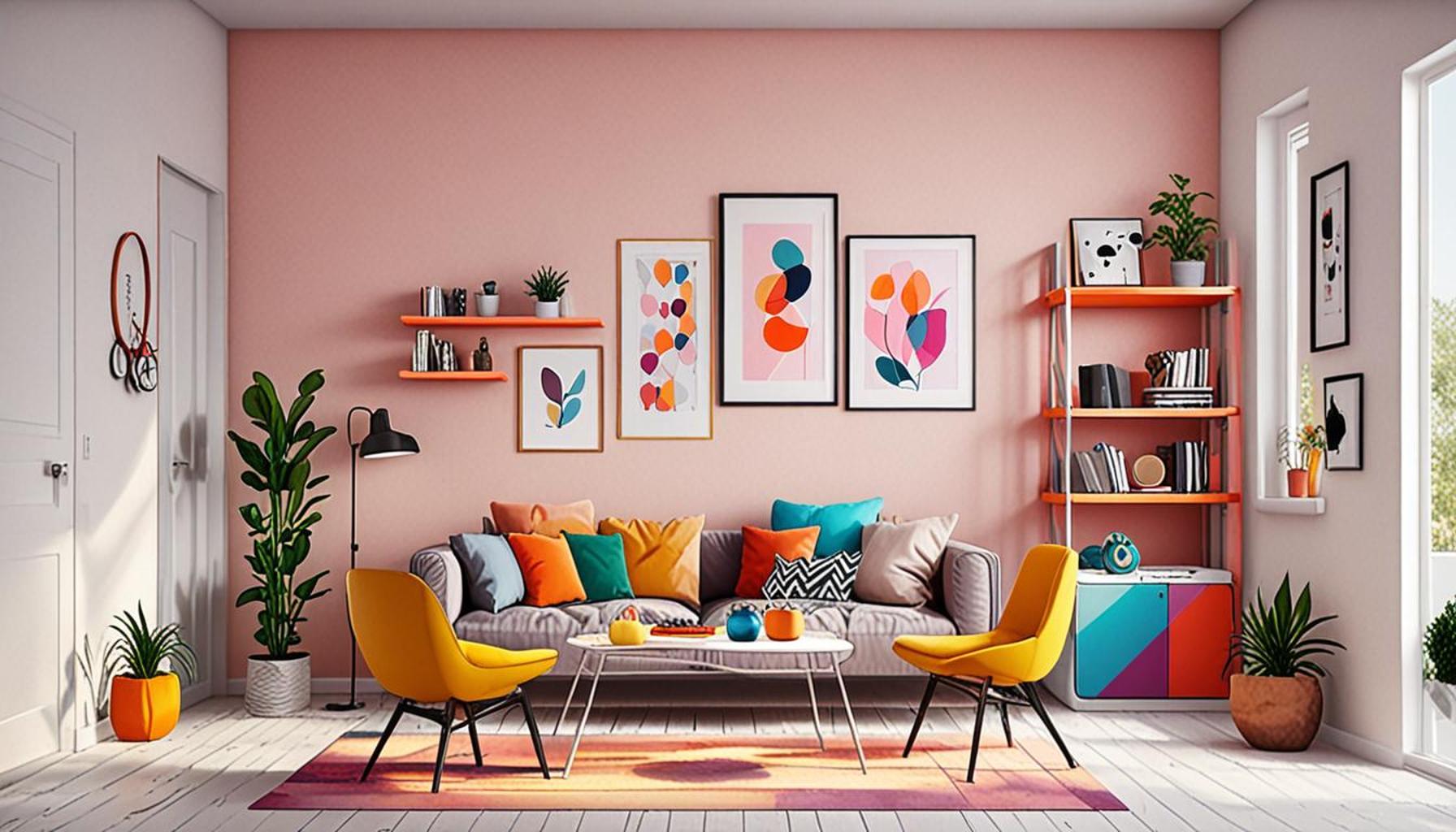
Minimalism and Sustainability: How Reducing Items Can Contribute to a More Ecological Home
The Rise of Minimalism Amidst Environmental Concerns
In a time when climate change, pollution, and resource depletion dominate headlines, many individuals are actively seeking alternatives to combat their personal contributions to these pressing issues. One such alternative, minimalism, offers a holistic approach to simplify life while fostering environmental mindfulness. This lifestyle not only emphasizes aesthetics but also promotes conscious decision-making regarding what we own and consume.
To understand the direct impact of minimalism on sustainability, it is essential to delve into its core benefits:
- Less waste: Embracing a minimalist lifestyle means fewer items cluttering your space, which translates directly into less waste ending up in landfills. The Environmental Protection Agency (EPA) reported that in 2018, Americans generated around 292.4 million tons of trash. By prioritizing quality over quantity and opting for durable goods, minimalists can significantly lower their contribution to this statistic.
- Lower consumption: Minimalism fosters a culture of mindful purchasing, encouraging individuals to think critically about their needs versus wants. When you decide to keep only what adds value to your life, it becomes easier to resist impulse buying. For instance, rather than frequently buying cheap, fast fashion items, minimalists might invest in a few versatile, high-quality wardrobe pieces that are ethically produced. This shift can drastically reduce the demand for mass-produced goods, which often come at a steep environmental cost.
- Simplified living: An uncluttered home does more than please the eye; it can also lead to improved mental health. Research suggests that clutter can lead to feelings of anxiety and overwhelm. By simplifying our physical environment, we pave the way for mental clarity and calm, which in turn can inspire individuals to take further action toward sustainable living, such as adopting eco-friendly practices or volunteering for local environmental initiatives.
Minimalism isn’t merely about decluttering your home; it signifies a profound lifestyle shift that intertwines personal health with ecological stewardship. As individuals uncover the interconnectedness of their choices, the movement becomes less about sacrifice and more about intentional living. Each decision to minimize possessions is a step toward a more sustainable lifestyle that can ripple outward, inspiring communities and influencing broader social change.
Moreover, as consumers advocate for companies with sustainable practices—whether that be through selecting products with minimal packaging or supporting local artisans—minimalism presents an opportunity to champion sustainability in everyday choices. In an age where our decisions are amplified by social media, sharing one’s minimal journey not only motivates but also cultivates a sense of community focused on conscious living.
As you contemplate your relationship with your belongings, consider what changes you can implement to live more minimally and contribute positively to the planet. How might your choices influence those around you? The journey toward minimalism is not just about achieving a spartan lifestyle—it’s about fostering a deeper connection to both self and environment.
DISCOVER MORE: Click here to dive deeper
Understanding the Impact of Minimalism on Sustainability
As the world becomes increasingly aware of the environmental challenges we face, the principles of minimalism provide a foundation for a more sustainable lifestyle. By adopting a minimalist approach, individuals can make intentional choices that not only benefit their personal well-being but also have a substantial positive impact on the planet. Let’s explore the ways in which minimalism can transform our homes and, in turn, contribute to ecological sustainability.
Quality Over Quantity
One of the tenets of minimalism is the preference for quality items over numerous low-quality products. This shift not only fosters a more aesthetically pleasing environment but also minimizes consumption. Products designed for durability often use fewer resources in production and require less frequent replacement, ultimately leading to decreased waste over time. For instance, opting for a high-quality stainless steel water bottle rather than single-use plastic bottles can dramatically diminish plastic waste while providing a reliable alternative for hydration.
Reducing Energy Consumption
Minimalism goes hand-in-hand with a simplified lifestyle that often leads to reduced energy consumption. Fewer possessions equate to less energy spent on heating, cooling, and maintaining those items. For example, a home with less clutter and open spaces can be more energy-efficient, as it is easier to maintain optimal temperatures. Energy efficiency directly reduces a household’s carbon footprint, contributing to a less polluted environment.
Embracing Second-Hand and Sustainable Products
A minimalist mindset encourages people to seek out second-hand and sustainably-produced items. This not only gives a second life to perfectly usable products but also reduces the demand for new goods, which typically involve resource extraction that harms the environment. Platforms like thrift stores, online marketplaces, and local swap events facilitate this exchange, allowing individuals to embrace circular economy principles by giving items a new purpose rather than contributing to landfill overflow.
Mindful Disposal
Another fascinating aspect of minimalism is the way it promotes responsible disposal of items no longer deemed necessary. Instead of tossing items into the trash, minimalists often explore options such as donating, recycling, or upcycling. This not only diverts waste from landfills but also provides others with much-needed goods, encouraging a community-focused approach to consumption.
- Donation: Charitable organizations often welcome gently used items that can be resold or distributed to those in need.
- Recycling: Recycling programs help process materials like paper, plastics, and electronics, returning raw materials to the production cycle.
- Upcycling: Transforming old items into new products not only reduces waste but also sparks creativity and innovation.
In summary, the minimalist ethos invites individuals to reconsider their relationship with possessions, paving the way for a more sustainable future. By emphasizing the importance of quality over quantity, reducing energy consumption, embracing second-hand products, and ensuring responsible disposal, minimalism serves as a powerful tool in the ongoing battle against environmental degradation. As more individuals adopt this lifestyle, the ripples of their choices can significantly influence broader societal changes toward sustainability.
| Advantage | Description |
|---|---|
| Reduced Waste | Emphasizing minimalism leads to fewer purchases and thus significantly decreases overall waste production. This translates to less landfill contribution. |
| Energy Efficiency | In a minimalist home, fewer electronic devices mean lower energy consumption, which not only saves money but also promotes sustainability by reducing your carbon footprint. |
By prioritizing a simpler lifestyle, individuals can actively contribute to a more sustainable living environment. Reducing the number of belongings leads to purposeful purchases which promote an ecological mindset. Among other things, embracing less means appreciating quality and functionality over quantity, which in turn allows for a more mindful consumption approach that aligns with ecological principles. Each item retained is chosen with care, thus reducing the likelihood of impulse buying, which can contribute to environmental degradation. Learning to cherish experiences rather than possessions can foster deeper connections and ultimately guide one toward a more fulfilling existence within a sustainable framework. This movement towards minimalism and sustainability not only enhances personal well-being but plays a pivotal role in nurturing our planet.
DIVE DEEPER: Click here to enhance your time management skills
Reimagining Spaces for a Sustainable Future
Beyond simply reducing clutter and limiting what we own, minimalism encourages a profound transformation in how we design and utilize our living spaces. This mental shift can lead to more sustainable home environments that prioritize both functionality and ecological mindfulness.
Optimizing Space Usage
Minimalism instills a focus on optimizing the available space in our homes. By utilizing multifunctional furniture such as a sofa bed or a dining table with built-in storage, individuals can minimize the number of items in their homes while effectively fulfilling multiple needs. This strategic use of space not only creates a feeling of openness and calm but also contributes to sustainability. A well-organized and optimized environment reduces the temptation to purchase excess items, which in turn decreases overall consumption and waste.
Indoor Air Quality and Health Benefits
A key, often overlooked aspect of minimalism is its potential impact on indoor air quality. Cluttered spaces can harbor dust, allergens, and toxins from synthetic materials. By embracing a minimalist approach, individuals may find themselves creating healthier spaces. Studies indicate that homes with excessive clutter can contribute to increased stress and anxiety. In contrast, more minimalist environments promote relaxation and well-being, making a strong case for the emotional benefits of reducing belongings. With fewer products that emit volatile organic compounds (VOCs), residents can breathe cleaner air, thus enhancing their quality of life while also being mindful of their ecological footprint.
Gardening and the Minimalist Mindset
Embracing minimalism can also extend to our relationship with nature. By prioritizing low-maintenance indoor plants, individuals can enrich their living environments while still keeping the overall aesthetic uncluttered. Plants such as succulents or snake plants require less water and care compared to traditional houseplants, making them ideal for a minimalist lifestyle. Not only do they enhance air quality, but they also connect homeowners to sustainable practices. Additionally, those interested in outdoor spaces might consider edible gardens or permaculture, which align well with minimalist principles, allowing for productive use of outdoor areas that produce food without overwhelming maintenance needs.
Mindfulness in Consumer Choices
Another profound aspect of minimalism pertains to intentional consumer behavior. Minimalists are often motivated to understand the lifecycle of products they bring into their homes, which aligns closely with sustainable practices. According to a survey by the American Psychological Association, consumers are increasingly valuing sustainability, with over 70% of respondents acknowledging the importance of understanding where their products come from, how they’re made, and their overall environmental impact. Therefore, minimalism inspires individuals to support ethical brands that promote sustainable manufacturing practices and fair labor conditions. This consciousness can also extend beyond individual purchases to influence social trends, encouraging companies to adopt greener practices.
- Support Local: Choosing to purchase from local artisans or farmers markets can not only reduce your carbon footprint by minimizing transportation but also foster a sense of community.
- Prioritize Eco-Friendly Materials: When minimalists do decide to make new purchases, seeking out items made from sustainable materials—like bamboo or recycled textiles—becomes a key consideration.
- Educate and Advocate: Engaging with local sustainability initiatives or grassroots movements can help amplify the minimalist ethos, engaging more people in reduced consumption and ecological awareness.
As we further investigate the intricate relationship between minimalism and sustainability, it is clear that a shift in mindset about consumption, space utilization, and personal wellness creates a pathway toward a more ecological home. The adoption of minimalism not only leads to a more organized and aesthetically pleasing home environment but also encourages individuals to act as stewards of the planet, fostering a culture of sustainability that can ripple through communities and beyond.
DON’T MISS: Click here to discover how to reclaim your time
Embracing Minimalism for a Greener Tomorrow
As we conclude our exploration of minimalism and sustainability, it’s evident that adopting a minimalist lifestyle can foster profound changes in our homes and, ultimately, our planet. By emphasizing intentional living, individuals can cultivate not only a sense of peace and clarity in their environments but also a deeper connection to ecological consciousness. The relationship between the reduction of items and the promotion of sustainable practices goes beyond personal advantages—it offers a pathway to combat climate change and resource depletion.
The essence of minimalism encourages us to reassess our values, urging us to question our consumption habits and recognize the environmental impact of our choices. Every product that enters our homes carries an ecological footprint—thus, cultivating an awareness of this allows us to make responsible decisions that benefit both our well-being and that of our planet. By supporting local businesses, opting for eco-friendly materials, and reducing excess, we actively participate in a necessary shift towards more sustainable consumer behavior.
Ultimately, minimalism is not merely a design aesthetic; it embodies a holistic approach that intertwines our living spaces with our global responsibility. As communities begin to embrace these principles, we can envision a future where ecological homes are the standard, providing a healthier environment for generations to come. Thus, we invite you to consider how implementing minimalism can lead to a more ecological home—one decluttered choice at a time.