
Minimalism and Sustainability: Living with Less to Protect the Planet
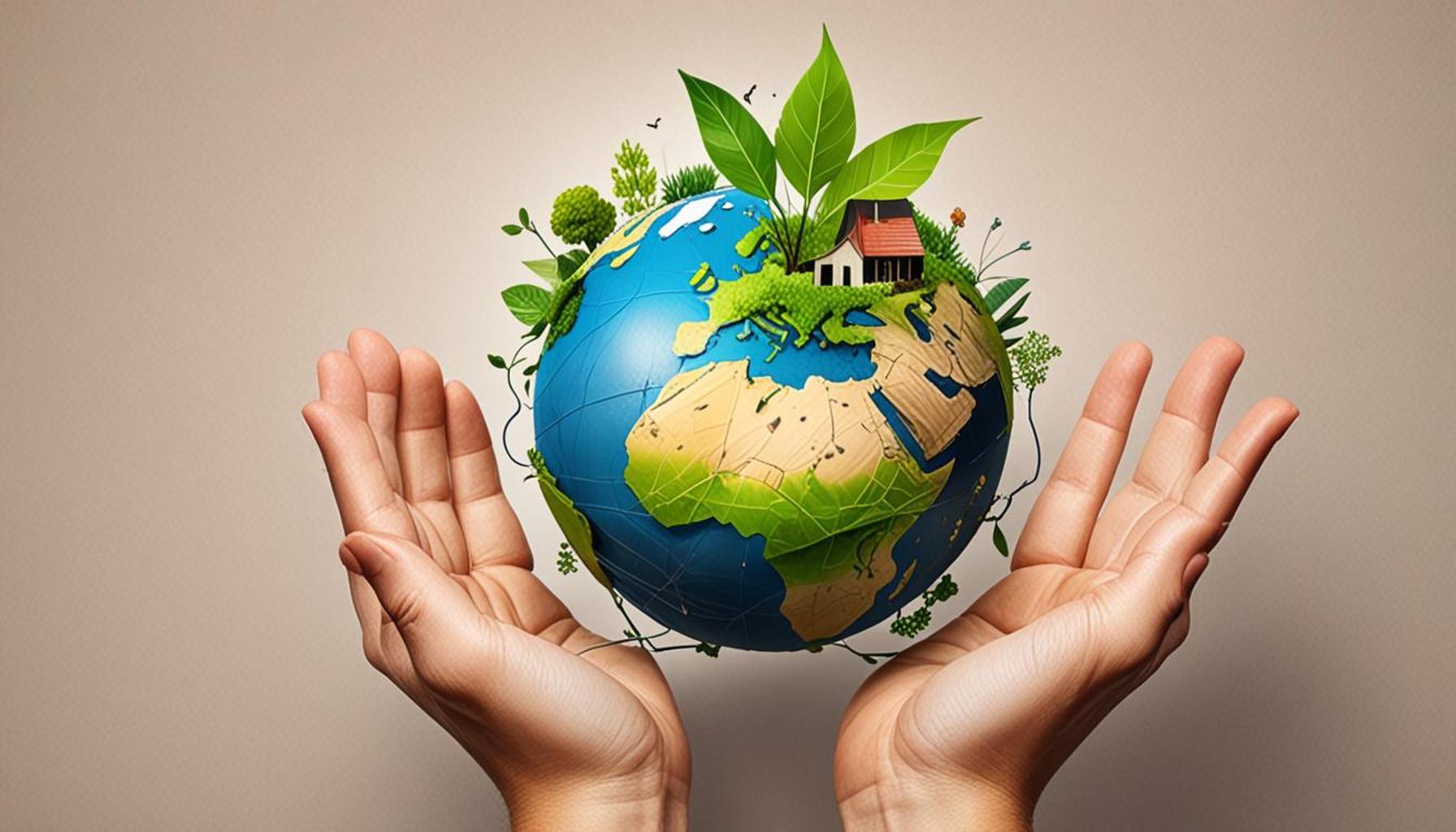
A Shift Towards Mindfulness and Sustainability
In a world dominated by constant advertisements and the latest trends, the question arises: how much is too much? The minimalist lifestyle challenges the idea of consumerism by advocating for a more deliberate and purposeful approach to living. This not only addresses personal dissatisfaction but also aligns with pressing environmental needs, offering a viable pathway towards a more sustainable future. Many individuals are discovering that by embracing minimalism, they can cultivate a life that reflects their values and aspirations, while also being kinder to the planet.
What Does Minimalism Involve?
Understanding minimalism requires examining its core principles, which encourage individuals to be more thoughtful about their choices. One essential element is Intentional Living, which prioritizes quality over quantity. Rather than accumulating an excess of items, minimalists opt for fewer, well-crafted possessions that genuinely enrich their lives. For instance, in a consumer culture where fast fashion is rampant, a minimalist might choose a capsule wardrobe consisting of timeless, durable pieces made from sustainable materials.
Another fundamental principle is Reduced Consumption. This means being mindful of purchases, focusing on necessities rather than fleeting desires. By learning to differentiate between wants and needs, individuals can make informed decisions that reflect their values. For example, instead of purchasing the latest gadget simply because it’s new, a minimalist might invest in technology that will serve them for years, thus reducing electronic waste.
Decluttering goes hand in hand with these principles. It involves not only cleaning out physical spaces but also metaphorically decluttering our minds from the stress of overwhelming choices and obligations. Many find that a decluttered environment leads to a clearer mental state and improved emotional well-being. For instance, spending a weekend sorting through belongings can result in donating or recycling items that no longer serve a purpose, creating space for new experiences and opportunities.
The Environmental Benefits of Minimalism
The intersection of minimalism and sustainability is compelling. By adopting a minimalist lifestyle, individuals can achieve a tangible reduction in their ecological impact. For instance, a Lower Carbon Footprint emerges from using fewer items, which translates into decreased transportation emissions. Fewer purchases mean reduced production demands, leading to less strain on natural resources and energy use in manufacturing.
Moreover, minimalism naturally leads to Less Waste. As consumers curtail their spending on disposable items, they inherently decrease the volume of waste sent to landfills. This shift not only alleviates growing waste challenges but also encourages recycling and upcycling practices, which are essential for resource conservation.
Finally, an essential aspect of this lifestyle is the Enhanced Awareness that accompanies living simply. As individuals downsize and focus on what truly matters, they often develop a deeper connection to their surroundings and community. Local initiatives, community gardening, and sustainable practices become more pronounced as a minimalist mindset encourages engagement with the environment and fosters a sense of belonging.
In conclusion, the journey towards minimalism can lead to significant personal and environmental benefits. By making conscious choices, individuals not only enrich their own lives but also contribute to the global fight against environmental degradation. The path to sustainable living is paved with mindfulness, intention, and a commitment to fostering a healthier planet for future generations. Join us as we dive deeper into how living with less can create a more sustainable world.
DISCOVER MORE: Click here to learn how decluttering boosts creativity and productivity
Embracing Minimalism for a Sustainable Future
The growing connection between minimalism and sustainability is a beacon for those seeking a purposeful life in an era of excess. In recent years, many Americans have begun to reassess their relationship with material possessions and consumerism. As a result, embracing minimalism has become an increasingly attractive way to align personal goals with global sustainability efforts. By understanding how minimalism can serve as a tool for environmental conservation, individuals can take tangible steps toward protecting our planet.
Practical Steps to Minimalism and Sustainability
Transitioning to a minimalist lifestyle can seem daunting, especially for those steeped in consumer culture. However, by implementing practical steps, anyone can begin this transformative journey. Here are several strategies to consider:
- Conduct a Personal Inventory: Begin by assessing your current belongings. Identify the items that are truly essential and bring you joy. This process not only helps declutter your space but reinforces the idea of valuing quality over quantity.
- Implement the One-In-One-Out Rule: For every new item acquired, commit to removing one existing item from your life. This practice curbs unnecessary accumulation and forces thoughtful consideration before making new purchases.
- Prioritize Sustainable Brands: When you do need to make a purchase, seek out brands that champion sustainability. Opt for products crafted from recycled materials or ethical sources, which help minimize environmental impact.
- Practice Mindful Shopping: Before heading out to shop, create a list to prevent impulse purchases. This will help you stay focused on necessities and avoid the temptation of buying for the sake of acquisition.
- Engage in Local Exchanges: Participate in community swap events or buy-sell-trade group activities. This not only promotes reusing items but also builds stronger connections within your local community.
The Economic Angle of Minimalism
Minimalism often leads to financial sustainability as well. Living with intention can help reduce unnecessary spending, allowing individuals to allocate their resources toward experiences or causes they care about. For example, instead of spending money on frequently replaced items, minimalists can focus on travel, education, or contributions to environmental organizations. This shift from consumer goods to experiences not only enriches personal growth but also fosters a deeper appreciation for the natural world.
Recognizing the interconnectedness between minimalism and sustainability provides an essential framework for change. By prioritizing a lifestyle rooted in simplicity, individuals can positively impact not only their lives but also contribute to a broader movement aimed at environmental preservation. In a society grappling with climate change and resource depletion, adopting minimalism feels less like a restriction and more like an empowering choice that echoes loudly against the noise of consumerism. The next steps in this journey will explore further how minimalists can amplify their efforts to protect the planet while fostering personal fulfillment.
| Advantages | Impact on Sustainability |
|---|---|
| Reduced Waste | Minimalism encourages consumer mindfulness, leading to a significant drop in unnecessary purchases and waste generation. |
| Lower Carbon Footprint | By owning fewer items and choosing sustainable products, individuals contribute to a lower ecological footprint. |
| Enhanced Quality of Life | Living with less creates space for meaningful experiences over material possessions, enhancing overall well-being. |
| Financial Savings | Adopting a minimalist lifestyle can lead to financial freedom by reducing spending on non-essential items. |
Exploring the intersection of minimalism and sustainability reveals profound benefits aligned with protecting the planet. The act of reducing waste directly correlates with less strain on landfill capacities, and by embracing minimalist values, individuals can cultivate a more conscious approach to consumption. This shift not only nurtures the environment but can enhance personal fulfillment by fostering gratitude and peace of mind.In addition, moving towards a minimalist lifestyle encourages purchasing fewer but higher-quality goods, which often results in a longer product lifecycle, further reducing the environmental impact. Choosing products made from renewable resources promotes sustainability and supports companies that prioritize eco-friendliness. This deliberate choice can be a powerful way to contribute to a healthier planet.Moreover, the economic advantages of minimization emerge as significant—fewer expenditures on non-essentials translate to more resources available for sustainable investments. By prioritizing a lifestyle of less, individuals can actively align their finances with their values, enhancing both personal growth and planetary health simultaneously. The compelling shift towards minimalism not only retunes personal priorities but resonates well beyond individual experiences, creating a ripple effect in sustainable living practices worldwide.
DIVE DEEPER: Click here to discover the benefits of minimalism
The Environmental Impact of Consumerism
Understanding the relationship between consumerism and environmental degradation is fundamental for those seeking a more sustainable lifestyle. The modern world is under siege by a throwaway culture that promotes excessive consumption, resulting in mountains of waste, pollution, and the depletion of natural resources. According to the U.S. Environmental Protection Agency, Americans generated about 292.4 million tons of trash in 2018, translating to nearly 4.9 pounds of waste per person per day. Such staggering figures highlight the need for a paradigm shift toward minimalism, a practice that encourages thoughtful consumption and a commitment to reducing waste.
Decreasing Your Carbon Footprint
Minimalism does not merely advocate for fewer possessions; it offers a roadmap for reducing one’s carbon footprint. The production, transportation, and disposal of consumer goods are major contributors to greenhouse gas emissions. For example, the process of manufacturing clothing—especially fast fashion—consumes vast amounts of water and energy while emitting significant pollution. By adopting a minimalist wardrobe, individuals are not only lessening their environmental impact but are also encouraging a culture of sustainability. Investing in high-quality, timeless pieces rather than transient fashion trends furthers this goal.
Additionally, opting for a minimal lifestyle encourages individuals to seek alternative solutions to everyday needs. Carpooling, using public transportation, or adopting a bicycle commute significantly lowers transportation emissions. Embracing a simpler lifestyle can also translate into a conscious effort to support local sustainable agriculture, prioritizing meal planning, and reducing reliance on processed foods, which are often packaged in single-use plastics.
Community Building and Collective Action
The benefits of minimalism extend beyond the individual; they create opportunities for building community and collective action. By joining local initiatives focused on sustainability, minimalists can pool resources, share skills, and collaborate on projects that amplify their impact. For instance, participating in community gardens not only promotes sustainable food practices but also fosters a sense of belonging and stewardship for the environment.
- Join a Minimalist Group: Many cities have communities dedicated to minimalism and sustainability, where members share tips and experiences that can inspire further reducing consumption.
- Host Workshops: Organizing workshops about sustainable living can spread awareness and encourage others to think critically about their consumption and lifestyle choices.
- Participate in Cleanup Drives: Engaging in local cleanup efforts can make a visible impact on the environment while fostering camaraderie among participants striving for a more sustainable future.
Moreover, sharing knowledge on platforms such as social media can help amplify messages about minimalism and sustainability. By documenting personal journeys, minimalists can inspire others to take similar steps, sparking a greater dialogue about living lightly on the planet.
Technology and Minimalism
In a technology-driven society, minimizing digital clutter is as significant as physical decluttering. An overwhelming number of apps, files, and subscriptions can lead to mental fatigue and contribute to a consumerist mindset. By embracing digital minimalism—streamlining one’s online presence and eliminating unnecessary devices—individuals can reclaim their time, improve productivity, and focus on what truly matters.
The interplay between technology and sustainability continues to evolve, with innovations designed to support minimalistic lifestyles. Eco-friendly products, smart home tools, and sharing economy apps (such as those promoting car sharing and home swapping) facilitate a lifestyle that enhances well-being without excess.
By adopting these practices, individuals contribute to a growing collective movement that champions sustainability while enjoying the many advantages of living with less. With a concerted effort towards minimalism, all of us can play a vital role in protecting our planet for future generations.
DISCOVER MORE: Click here to dive deeper
Conclusion: Embracing Minimalism for a Sustainable Future
In summary, the intersection of minimalism and sustainability presents a powerful framework for addressing the urgent environmental challenges our planet faces today. By consciously choosing to live with less, we not only reduce our individual carbon footprints but also foster a culture that values quality over quantity. This shift encourages us to prioritize the essentials in our lives while eliminating unnecessary consumption and waste.
As highlighted throughout this exploration, minimalism transcends mere aesthetic. It catalyzes significant lifestyle changes, urging us to adopt sustainable practices such as supporting local agriculture, utilizing public transport, and participating in community initiatives. When we come together to share resources and knowledge, we cultivate a robust network that amplifies our impact on the environment.
The role of technology in enhancing a minimalist lifestyle cannot be overlooked. Innovations that promote eco-friendly practices and simplify our lives pave the way for a new paradigm of consumption that aligns with our collective responsibility to the planet. As we critically evaluate our relationship with both physical and digital possessions, we can reclaim our time and energy, reinforcing our commitment to a simpler and more sustainable existence.
Ultimately, embracing minimalism invites us to reflect on what truly matters. In a world laden with excess, choosing to live with less empowers individuals and communities to protect our planet for generations to come. By taking the first steps towards a minimalist lifestyle, each of us can contribute to a brighter, more sustainable future—a future where the planet thrives, and so do its inhabitants.