Mindful Living Practices for Interior Organization: How Meditation Can Help with Personal Organization
The Powerful Connection Between Your Environment and Mental Health
Did you know that the state of your home can significantly impact your mental well-being? Our surroundings often mirror our inner states, creating a direct correlation between a well-organized space and mental clarity. Mindful living practices not only enhance your interior organization but also promote serenity in your daily life. When combined with meditation, the process of organizing can evolve into a powerful tool for personal growth and emotional stability.
- Achieve clarity through a clutter-free environment where every item serves a purpose.
- Foster a sense of calm by creating intentional spaces tailored to relaxation or productivity.
- Enhance productivity by reducing distractions that often impede your focus.
In today’s fast-paced world, many of us struggle with the overwhelming chaos in our homes, which can lead to heightened stress, anxiety, and feelings of being out of control. The clutter and disorganization around us can manifest as mental fatigue, making it difficult to concentrate or enjoy our living spaces. However, by embracing mindful practices, we can shift our perspective on organization from a daunting task into an enriching journey.
- Promote focus through meditation techniques that allow you to center your thoughts before tackling organizational tasks.
- Encourage a sense of achievement with small, actionable tasks, like reorganizing one room at a time or dedicating just 10 minutes a day to sorting through belongings.
- Reinforce positive habits that support mental clarity, such as regular decluttering sessions or establishing a daily mindfulness routine.
Consider the story of Sarah, a busy professional in New York City. Overwhelmed by her fast-paced job and the clutter in her small apartment, she found herself feeling anxious and stressed most days. After a friend introduced her to mindfulness practices, she began incorporating meditation into her daily routine. Each evening, she spent 15 minutes meditating, focusing on releasing her day’s tension. She soon applied that same mindful approach to her home, choosing to declutter one area at a time while staying present in the moment. The transformation was striking; not only did her apartment feel more spacious and serene, but Sarah also reported feeling more in control of her life and her emotions.
Whether you’re a busy professional, a student, or managing a household, the integration of mindfulness and meditation into your organizational practices can lead to transformative results. These practices not only clear physical space but also pave the way for emotional healing and greater clarity. As you read on, you’ll uncover practical tips and insights on how to harmonize your living space with your inner peace, fostering a nurturing environment that enhances your overall well-being.
DISCOVER MORE: Click here to learn about mindful living</
Embracing Mindfulness for a Harmonious Home
As we delve deeper into the intersection of mindful living and interior organization, it’s crucial to understand the transformative power that mindfulness offers in creating a balanced and organized environment. By adopting mindful practices, individuals can not only streamline their physical spaces but also cultivate a mental environment that fosters clarity and peace. So, how does meditation play a role in this process?
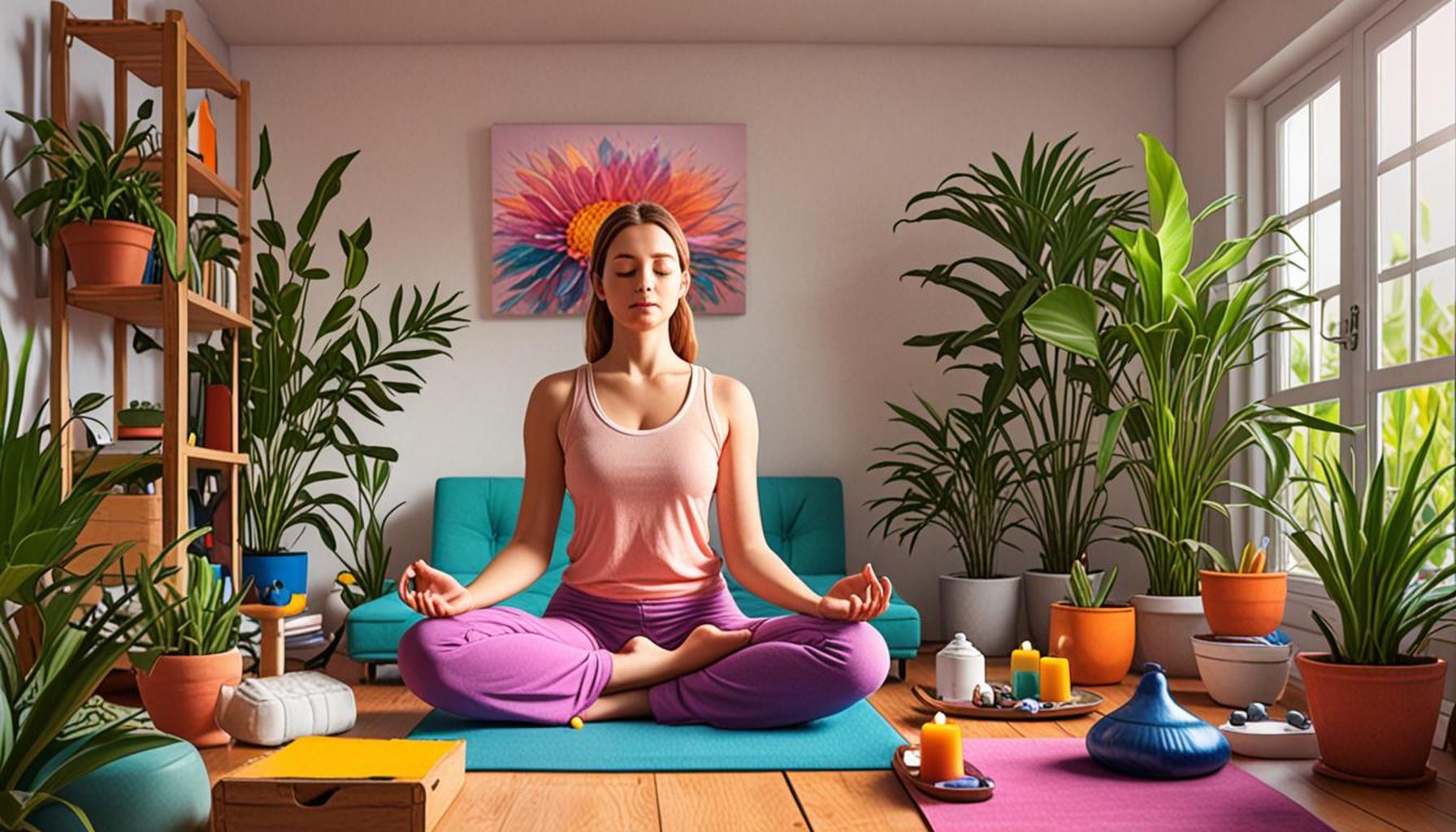
At its core, meditation encourages us to be present, engaging fully with the moment without distractions or judgments. This skill is essential when approaching the task of organizing our living spaces. Instead of viewing organization as a chore, meditation allows us to reframe it as a mindful activity filled with purpose and intention.
The Role of Meditation in Interior Organization
When we incorporate meditation into our organizational routines, we unlock several benefits that can significantly enhance our living spaces and overall well-being:
- Increased Awareness: Regular meditation sessions help us develop a clearer understanding of our belongings, prompting us to evaluate what truly adds value to our lives. This heightened awareness can lead to more intentional decisions about what to keep and what to let go of.
- Emotional Regulation: Meditation aids in managing stress and anxiety, allowing us to approach our organizational tasks with a calm mindset. This is particularly beneficial when faced with the overwhelming task of sorting through sentimental items or accumulated clutter.
- Mindful Sorting: By integrating mindfulness into the decluttering process, individuals can focus on each item, considering its purpose and impact on their lives. This not only makes the process more manageable but also creates a deeper connection to our possessions.
Moreover, cultivating an organized space releases energy that resonates with tranquility, encouraging a peaceful atmosphere in which creativity and productivity can thrive. Consider the simple act of decluttering; it not only opens up physical space but also clears mental pathways, allowing for better focus on the tasks and projects that matter most in our lives. When we engage in mindful practices while organizing, we begin to notice the profound ripple effects it has, not just on our living environment, but also on our emotional health.
Strategies for Integrating Meditation into Organizational Practices
Integrating meditation into your organizational efforts doesn’t require hours of additional time each day. Here are practical strategies to seamlessly blend these practices:
- Mindful Minutes: Set aside just five minutes before you begin organizing to meditate. Take deep breaths, clear your mind, and set an intention for your session, whether it be letting go of old items or creating a calming space.
- Focused Clutter Sessions: Dedicate small, specific time blocks to focus on one area or category of belongings, allowing for deeper reflection during the organizing process.
- Reflective Breaks: After completing a section of your organization, take a moment to sit quietly and appreciate the progress you’ve made, reinforcing positive feelings associated with your organized space.
By weaving together meditation and mindful organizational practices, we invite serenity into our homes and foster a stronger connection between our living spaces and our internal well-being. Understanding these elements as interconnected enables us to approach both the physical and mental aspects of our lives with enhanced clarity, purpose, and harmony.
| Mindful Living Technique | Impact on Personal Organization |
|---|---|
| Meditation | Enhances focus and clarity in decision-making, which is essential for effective organizational strategies. |
| Mindfulness Practices | Reduces stress levels, leading to a calmer mindset that allows for better organization of personal space. |
Exploring the intricacies of “Mindful Living Practices” reveals how meditation and mindfulness can significantly enhance personal organization. Practicing meditation cultivates a state of mind that promotes clear thought and enhances focus. In a cluttered environment, this clarity assists individuals in determining what is essential and what may be removed, directly contributing to effective organization.On the other hand, integrating mindfulness practices into daily routines serves to reduce psychological stress, creating a tranquil background against which one can organize thoughts and physical spaces. When stress is alleviated, the propensity to make impulsive decisions decreases, allowing for more thoughtful selections regarding items and arrangements in one’s living area.By engaging in these mindful techniques, individuals can unlock the potential of their spaces and experiences, paving the way for a more harmonized and organized life. This journey doesn’t just improve one’s atmosphere but also enriches the soul, fostering a sense of calm and well-being that transcends the physical aspects of organization.
DIVE DEEPER: Click here for practical strategies
Creating Sacred Spaces with Mindfulness
An essential component of mindful living is the recognition that our environments significantly influence our mental states and overall well-being. As we practice meditation, we become increasingly attuned to this connection, prompting us to create sanctuaries within our homes that reflect peace and intention. Developing these sacred spaces informs our organizational efforts, transforming how we relate to our belongings and surroundings.
Many people are unaware of the concept of environmental mindfulness. This entails not only the physical arrangement of our spaces but also the emotions those spaces evoke. For example, consider a home office cluttered with papers and outdated equipment. This chaos can induce stress and inhibit productivity. However, by incorporating mindfulness and meditation techniques, we can evaluate this space critically. By visualizing the intended atmosphere through meditation, we can create an organization strategy that encompasses both practicality and aesthetics.
Inspirational Mindful Techniques for Space Creation
Inspiration can come in various forms, and utilizing mindfulness techniques can open creative avenues in reimagining your spaces:
- Visualizing Your Ideal Space: Before beginning any organizational task, sit in silence and visualize how you want your space to look and feel. Picture each item in its place, and breathe deeply as you release attachment to unnecessary belongings. This visualization serves as a great motivator and design blueprint for your organizing efforts.
- Breathing Life into Each Object: As you handle each item during the organizing process, take a moment for a mindful breath. Reflect on how this item supports your life or aligns with your values. If it does not, consider letting it go to create space for what truly matters.
- Creating Rituals Around Organizing: Transform your decluttering sessions into mindful rituals. Whether it involves playing soft, calming music, lighting a candle, or preparing herbal tea, establishing a consistent setting can make the task more enjoyable, encouraging you to approach organization more deliberately.
Additionally, using color and lighting effectively in your space can support a mindful atmosphere. Certain hues, such as soft blues or greens, often evoke tranquility and could enhance meditation and focused work. Natural light is equally important; it invigorates and brightens both the body and mind. By combining mindful meditation with a thoughtful selection of colors and lighting, individuals can curate spaces that promote calmness and clarity.
Nurturing Mindful Habits for Lasting Change
Organizing your home mindfully doesn’t stop at creating aesthetically pleasing spaces. It also involves building habits that sustain these environments. Regular meditation can instill a discipline that carries over into your daily routines:
- Daily Mindfulness Check-ins: Allocate a moment each day to assess your living space. Are there any items brought in that no longer fit your serenity criteria? Regular reflection keeps the environment aligned with your intentions.
- Seasonal Reflection: Every few months, take time to revisit your spaces. Incorporate a seasonal mindfulness practice to evaluate what remains essential as your lifestyle and needs evolve. Transitioning with the seasons can enhance our connection to nature and promote a feeling of renewal.
- Sharing Mindfulness: Engaging friends and family in your mindful organization journey can create community and accountability. Sharing experiences and exchanging strategies strengthens the bond within households and promotes a collective understanding of the benefits of a mindful approach.
Incorporating meditation into your interior organization journey translates into creating environments that nourish and inspire. By recognizing the profound effects of mindfulness on our spaces, we pave the way for a more intentional, harmonious existence. The more we intertwine these practices, the greater clarity and balance we achieve, not only in our homes but also within ourselves.
DIVE DEEPER: Click here to discover more about mindful living and minimalist
Embracing Mindfulness for Transformative Organization
In conclusion, integrating mindful living practices into your interior organization efforts can profoundly impact your home and well-being. By utilizing meditation as a tool for reflection, visualization, and intention-setting, you can gain clarity on what truly matters in your living space. As we’ve explored, the relationship between our environment and mental clarity cannot be overstated; a harmonious space nurtures a peaceful mind.
The techniques discussed, from visualizing ideal spaces to creating rituals around organizing, invite a new narrative—one where your surroundings echo your values and aspirations. Such practices not only enhance the look and feel of your home but also cultivate a deeper connection between you and your belongings. As you continue to refine your organization through mindfulness, remember that this journey is ongoing. Establishing daily and seasonal habits encourages an adaptive approach that resonates with the evolving nature of our lives.
Furthermore, consider bringing others into your journey of mindful organizing. Sharing your insights and learning from friends and family fosters a supportive community, heightening collective awareness of the benefits of mindful living. As you embark on this transformative path, embrace each moment and allow meditation to guide your organization practices. With mindfulness at the forefront, you can turn your home into a sanctuary that nurtures not just order, but also serenity and intentionality.