Mindful Living and the Importance of Open Spaces: Creating Environments that Promote Mental Clarity

Benefits of Embracing Mindful Living
In an era dominated by rapid technological advancements and constant connectivity, the idea of mindful living has emerged as a crucial antidote to the relentless pace of modern life. As more people become aware of the impact that their physical environment has on their mental state, the importance of creating open spaces is gaining recognition. These areas not only facilitate clarity but also significantly enhance emotional resilience. The link between our surroundings and psychological health is pivotal in establishing a harmonious existence.
Why Open Spaces Matter
Open spaces serve as vital sanctuaries amid the daily hustle and bustle. They offer a retreat for introspection, tranquility, and revitalization—a much-needed breath of fresh air in an increasingly crowded world. The benefits of open spaces are numerous:
- Reduced Stress: Studies have shown that exposure to nature lowers cortisol levels, a primary stress hormone. For example, spending just a few minutes in a park can have a calming effect, helping to decrease anxiety and restore inner peace.
- Enhanced Creativity: When our surroundings are uncluttered, our minds can wander freely, leading to innovative ideas and solutions. Think of creatives like authors or artists who often seek out serene locations to spark their inspiration, allowing their thoughts to flow without disruption.
- Improved Focus: Clutter can be incredibly distracting. A minimalist environment promotes better concentration. Research indicates that individuals who work in organized spaces may achieve higher productivity levels and demonstrate greater efficiency.
As urban areas grow and the pressures of city living intensify, the necessity of integrating open spaces into our environments becomes more urgent than ever. This integration can take various forms, from public parks and community gardens to thoughtfully designed interiors that prioritize openness. By actively engaging in mindful living practices, individuals can cultivate spaces that not only invigorate their spirits but also help forge a profound connection with themselves, nature, and the community.
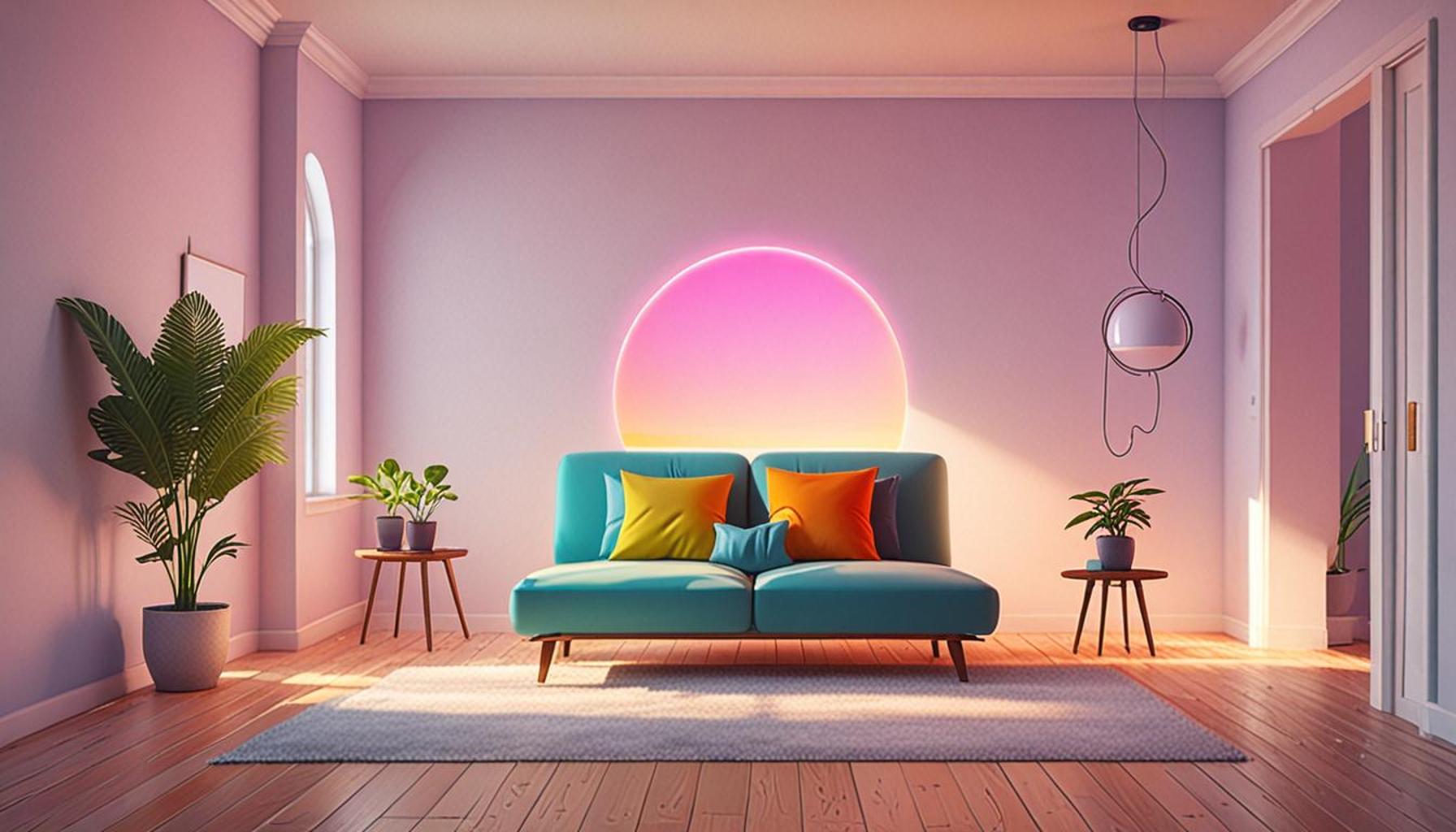
To explore this concept further, consider incorporating elements like greenery, natural light, and minimalistic design into your daily spaces. For instance, a simple houseplant can significantly improve air quality and provide a soothing aesthetic, while a home office bathed in sunlight can enhance mood and alertness. Couples or families might transform a backyard into a communal area filled with seating, encouraging gatherings that foster connection and well-being.
These methods encourage us to take a step back and understand the profound impact that our environments have on our mental states. By investing time in creating mindful open spaces around us, we not only improve our own lives but also contribute to healthier, happier communities.
DISCOVER MORE: Click here to learn how decluttering can elevate your spiritual journey
Transforming Spaces for Mindful Living
Creating environments that foster mental clarity begins with awareness of how open spaces shape our experiences. The physical layout and design of our surroundings have profound effects on our psychological well-being. Engaging in mindful living asks us to reassess our habitats, both public and private, by recognizing the powerful role that open spaces play in reducing stress and enhancing our overall quality of life.
Key Elements of Open Spaces
When discussing the importance of open spaces, several key elements come into play that contribute directly to our mental and emotional health:
- Naturally Appealing Designs: Open spaces are more than just physical areas; they encompass thoughtful designs that include natural elements. Landscaping with native plants, trees, and water features exemplifies environments that resonate with the tranquility of nature. Well-maintained green spaces stimulate positive emotions and provide a sense of peace.
- Accessibility and Community: Creating opportunities for the community to access these open areas promotes social interaction and unity. In cities like New York or San Francisco, urban parks serve as communal hubs, where the simple act of sitting outside can foster connections among strangers, stimulate conversations, and promote a sense of belonging.
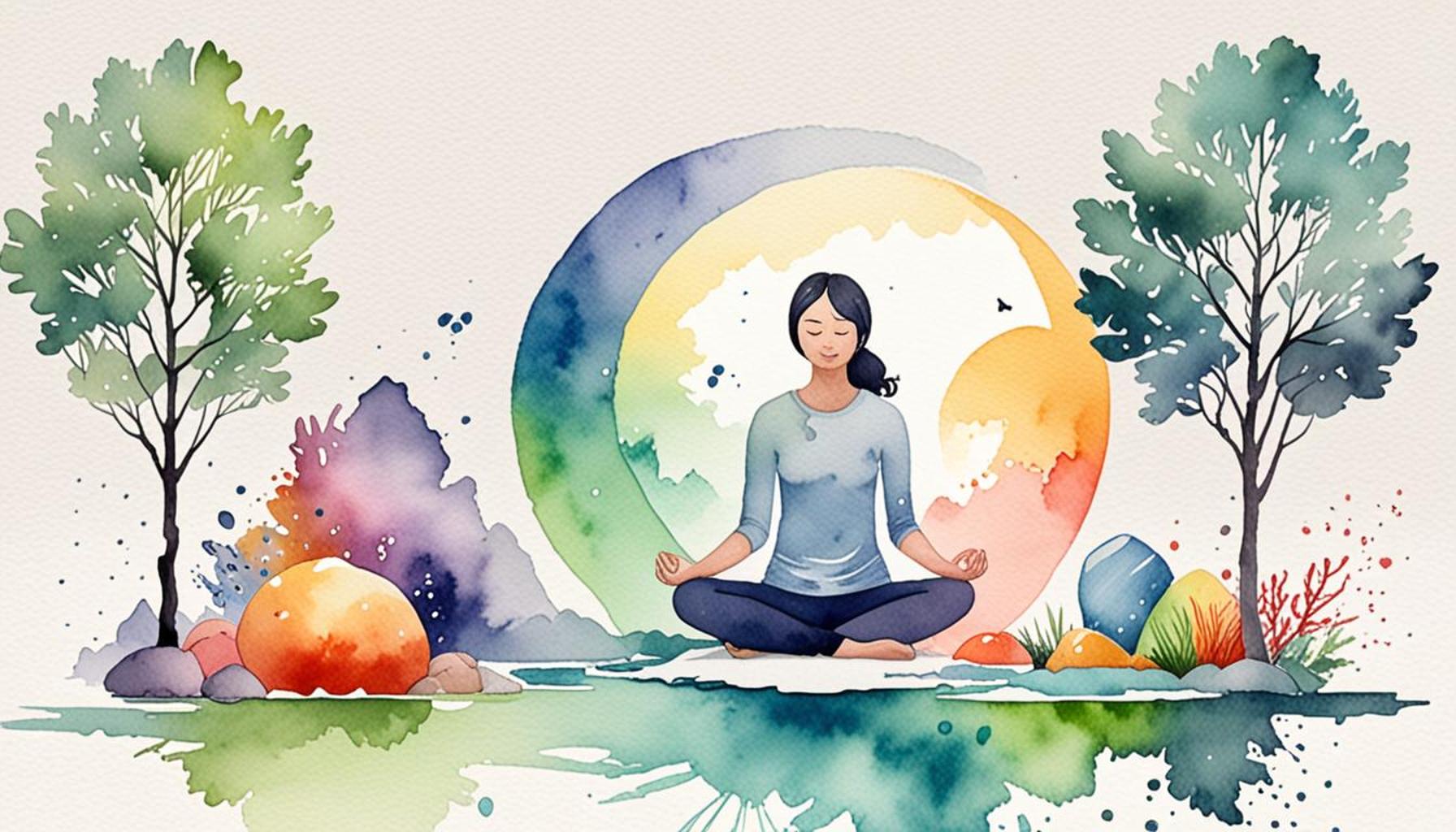
- Variety of Experiences: Open spaces can host various activities—yoga classes, picnics, or meditation sessions—catering to different interests and lifestyles. By offering diverse experiences, these areas invite individuals to engage in self-care practices that benefit their mental health.
Research underscores the significance of these elements in promoting psychological well-being. A study conducted by the University of Exeter found that individuals living in greener environments report lower levels of stress and greater life satisfaction. These findings affirm that open spaces are more than mere aesthetics; they are a fundamental component of mindful living practices.
As urban development continues, integrating open spaces into city planning is paramount. Forward-thinking cities are beginning to prioritize green roofs, community gardens, and accessible parks that combat the negative consequences of urban density. This shift not only enhances the aesthetic appeal of a city but also contributes to the mental clarity and overall happiness of its residents.
To fully embrace the advantages of open spaces in our lives, we must make conscious decisions about how we interact with our surroundings. Incorporating mindfulness into our daily routines, whether through lunchtime walks in the park or participating in local outdoor events, reinforces the connection between nature and mental health. In doing so, we take proactive steps toward creating environments that promote clarity, resilience, and a harmonious way of life.
| Advantage | Details |
|---|---|
| Enhanced Focus | Open spaces provide a less cluttered environment, which promotes clearer thinking and improved concentration. |
| Stress Reduction | Natural light and greenery in open areas are scientifically proven to lower stress levels, leading to better mental health. |
Incorporating open spaces into our environment is not just an architectural choice but a fundamental aspect of fostering mindfulness. As our surroundings become increasingly filled with distractions, the need for habitats conducive to mental clarity has never been more pressing. Open spaces, such as parks and gardens, serve as sanctuaries where individuals can temporarily escape the chaos of everyday life. They encourage physical activity, which is beneficial for mental health, allowing individuals to recharge and reflect. Moreover, diverse environments stimulate creativity, inspiring new ideas and perspectives. Research suggests that people who spend time in natural surroundings report higher levels of happiness and life satisfaction. The tranquility of open spaces allows individuals to cultivate a mindful approach to their existence, promoting intentional living. By embracing the concept of mindful living, we not only enhance our individual well-being but also contribute to a collective consciousness that values mental clarity and environmental stewardship.
DIVE DEEPER: Click here to discover the link between creativity and a clutter-free space
Enhancing Mental Clarity Through Nature Interaction
The relationship between open spaces and mental clarity is increasingly supported by empirical evidence linking nature exposure to improved psychological well-being. Studies indicate that spending time in nature can produce significant reductions in stress, anxiety, and depressive symptoms. This phenomenon has led to noteworthy urban planning initiatives across the United States, seeking to utilize open spaces as more than recreational areas, but as essential assets for public health.
The Biophilia Effect
One principle at the heart of this exploration is the biophilia hypothesis, which suggests that humans have an intrinsic connection to nature. This connection is not merely sentimental; it governs how we think, feel, and behave. Biophilic design incorporates elements that echo the patterns and processes found in nature, like organic forms and natural light. For example, the new Hudson Yards development in New York City incorporates plant life throughout its architecture, successfully creating a seamless blend between urban living and nature. By integrating greenery into the fabric of city life, urban planners aim to tap into this innate affinity for the natural world, thereby enhancing residents’ mental health.
The Impact of Patios and Porches
On a more personal scale, the presence of private outdoor spaces, such as patios or porches, can significantly elevate our state of mindfulness. Research has shown that even a lingering moment spent outside, breathing in fresh air and observing nature enhances our cognitive functions. A report from the American Psychological Association supported this claim, revealing that individuals who regularly spend time on their porches report higher levels of happiness and lower rates of stress. Such spaces encourage mindfulness practices that ground individuals in the present moment, whether through sipping morning coffee or engaging in quiet contemplation.
Short Breaks in Nature—The 20-5-30 Rule
Integrating open spaces into our lives does not require extensive time away from our daily routines. In fact, adopting the 20-5-30 rule can be a practical approach to promoting mental clarity. This guideline suggests that individuals should aim to spend 20 minutes outdoors, take five minutes for deep breathing, and ideally, focus on nature for 30 seconds. Such micro-breaks improve cognitive function and creativity, making it easier to tackle work-related challenges effectively. Whether it’s a break in a local park or simply stepping out to breathe in fresh air, these intentional pauses cultivate a mindful existence, allowing us to reclaim mental clarity amid the chaos of urban living.
Navigating Seasonal Changes
Embracing seasonal changes within open spaces can also enhance our mindful living practices. Each season presents unique opportunities for deeper engagement with nature. For instance, autumn’s vibrant foliage invites individuals to reflect, while winter’s serene landscape fosters quiet contemplation. Seasonal rhythms instill a sense of impermanence and remind us of the cyclical nature of life. Engaging in seasonal activities—not just in parks, but also at local farms or botanical gardens—reinforces our connection with the world around us and enhances emotional well-being.
As we strive for mindful living, it is essential to acknowledge that open spaces are not luxury but necessity. Recognizing their role in enhancing mental clarity shifts our perspective and encourages us to advocate for more public access to nature. Whether it’s supporting local initiatives or participating in conservation efforts, every action contributes to a broader movement towards nurturing our mental health through open, mindful environments.
DIVE DEEPER: Click here to uncover more insights
Conclusion: Embracing Nature for Mental Wellness
The journey towards mindful living undoubtedly emphasizes the profound impact of our surroundings on mental clarity and overall well-being. As explored throughout this article, open spaces serve as crucial backdrops for our daily lives, offering refuge from the noise and chaos often associated with urban environments. The biophilia hypothesis reiterates our inherent need to connect with nature, not just for aesthetic enjoyment, but as a fundamental component of our mental health. By incorporating more green spaces into our communities—whether through public parks, community gardens, or even private patios—we can foster a collective environment that nurtures both individual and public wellness.
Moreover, the 20-5-30 rule and awareness of seasonal changes serve practical purposes. They remind us that mental clarity doesn’t always require extensive time outdoors; even brief moments spent in nature can yield remarkable benefits. As we cultivate a lifestyle that honors these interactions, we can rewire our daily routines to include mindful practices that elevate our states of awareness, happiness, and creativity.
Ultimately, advocating for open spaces should not be seen merely as a pursuit of luxury but as an essential step towards a healthier society. As we acknowledge the intertwining of mindful living and nature, let us commit to promoting access to these vital environments. Every effort, large or small, counts towards building a future where mental clarity and emotional resilience can thrive amidst the greenery—a future that embraces the harmony of living in symbiosis with the natural world.