DIY Vertical Gardening Projects: Utilizing Walls for Plants in Urban Environments
Urban Gardening: A Solution for Limited Spaces
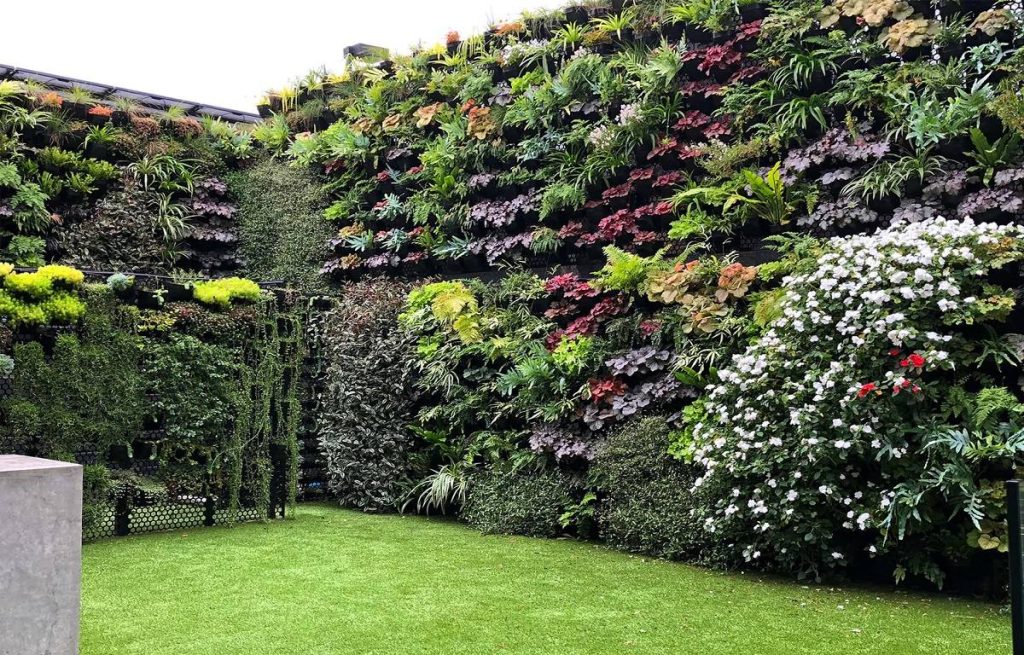
In densely populated cities, urban gardening can seem like a tough challenge. However, innovative solutions like DIY vertical gardening make it possible to cultivate greenery without sacrificing precious ground space. By utilizing walls, balconies, and fences, you can transform any urban environment into a lush oasis. This approach not only allows for the cultivation of plants in limited soil space but also encourages creative expression and enhances the quality of life in bustling cities.
Vertical gardens offer numerous benefits that make them an attractive option for urban dwellers:
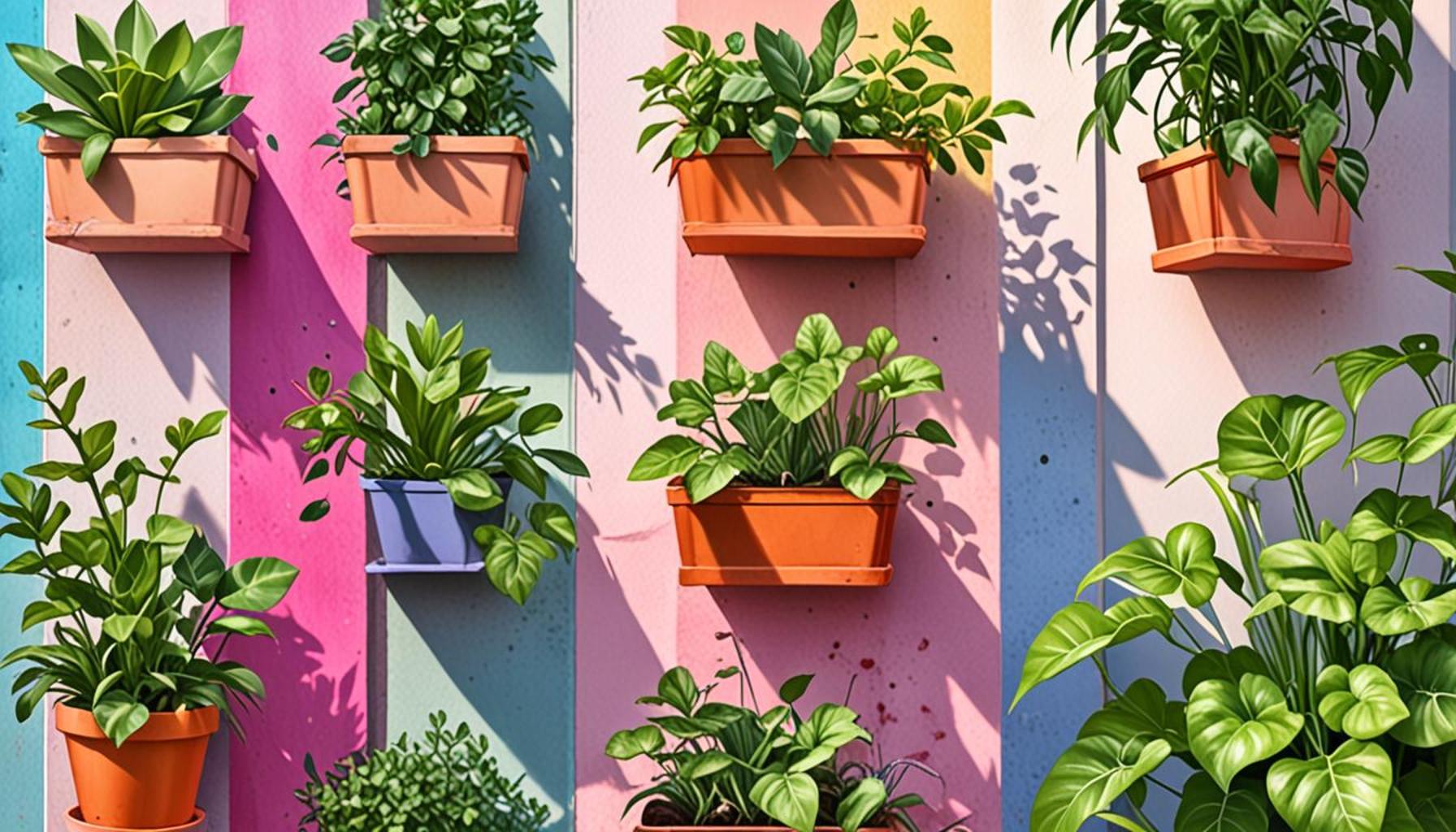
- Space-saving: Ideal for small apartments or homes, vertical gardens enable city residents to grow a variety of plants even in just a few square feet. Vertical planters can be installed on walls, allowing herbs, vegetables, and flowers to thrive where there might otherwise be no room for traditional gardens.
- Air quality improvement: Plants are renowned for their ability to filter pollutants from the air. Strategic placement of green walls can significantly enhance indoor and outdoor air quality, creating a healthier environment for residents. Particularly in urban areas where air pollution can be a major issue, this benefit cannot be overlooked.
- Microclimate creation: Green walls can help insulate buildings, reducing heating and cooling costs. They serve as natural barriers against extreme weather while maintaining comfortable temperatures for those inside. This aspect is particularly relevant in Nigeria, where climatic conditions can fluctuate drastically.
- Aesthetics: Vertical gardens enhance the visual appeal of your living space. The vibrant colors of flowers, the lush greenery of plants, and the unique designs of vertical structures can transform plain walls into stunning focal points of any home.
For those in Nigeria, vertical gardening is not just a trend; it’s a practical solution to urban challenges. With suitable techniques and locally available plant options such as ogbono (wild mango), rosemary, or ornamental creepers like money plant, anyone can engage in this sustainable practice. Embracing a DIY approach, you can craft stunning vertical gardens using materials that are easily accessible:
- Pallets or wooden crates can be stacked or mounted on walls and filled with soil to plant a variety of herbs and vegetables.
- Old bottles or containers, when repurposed, create individual plant pockets that are ideal for smaller plants, allowing for unique arrangements.
- Wire mesh or trellis can support climbing plants, maximizing vertical space while creating an attractive green facade.
As cities grow, harnessing vertical space for planting becomes increasingly critical. It fosters community interaction and can even yield produce for local food systems. Explore the diverse DIY vertical gardening projects that empower urban dwellers to reconnect with nature and create greener living environments. Engaging in vertical gardening not only benefits individuals but also contributes positively to the urban ecosystem, making our cities healthier and more vibrant places to live.
RECOMMENDED: Check out this similar article
Getting Started with Vertical Gardening
For those intrigued by the concept of vertical gardening, the good news is that embarking on this green journey is more accessible than one might think. With a few fundamental tools, a splash of creativity, and some local plant knowledge, you can design your urban oasis in no time. Regardless of whether you live in a high-rise or a cozy bungalow, implementing DIY vertical gardening projects can enrich your environment while alleviating stress and reconnecting you with nature.
Before diving into specific projects, it’s vital to consider the factors that influence your choice of plants and materials. In Nigeria’s varying climates—ranging from humid coastal areas to hotter arid locations—selecting the right plants is paramount. Opt for native species, including herbs like bitter leaf or decorative options like climbing bougainvillea, which adapt better to local conditions and require less maintenance. This approach not only guarantees a thriving garden but also reduces the ecological impact associated with imported plant species.
Essential Tools and Materials
When planning your vertical garden, having the right tools and materials at your disposal can simplify the process significantly. Here’s a list of essentials to kickstart your project:
- Planters or containers: Choose from a variety of options such as wall-mounted pots, hanging baskets, or even DIY creations from recycled materials.
- Soil: Invest in quality potting soil that retains moisture, particularly essential for urban settings where precipitation may be minimal.
- Drill or screwdriver: Necessary for creating holes and securing planters to walls or fences.
- Watering equipment: A spray bottle or a watering can will help keep your vertical garden adequately hydrated.
- Fertilizer: Utilizing organic fertilizers will promote healthy plant growth and yield nutritious produce.
Once you’ve gathered your materials, it’s time to get creative. Consider how you can incorporate vertical gardening into various spaces, such as:
- Balconies: Transform your balcony railing into a stunning vertical garden by attaching planters, allowing you to grow herbs and flowers while enjoying the view.
- Fences: Utilize existing fences as a base for climbing plants, which can enhance both privacy and aesthetics in your outdoor space.
- Walls: Whether inside or outside, designated walls can be adorned with hanging containers, creating a striking feature that contributes to air quality and ambiance.
With careful planning and execution, urban dwellers can convert these under-utilized areas into productive green spaces, contributing to improved air quality, enhanced aesthetics, and even the potential for homegrown produce. Vertical gardening is not simply an innovative solution for limited space; it stands as a refreshing endeavor that promotes wellness and sustainability in our bustling cities.
Exploring the Benefits of Vertical Gardening in Urban Spaces
Vertical gardening is not only a creative solution for beautifying walls in urban environments but also a sustainable approach to gardening. As urban areas continue to face issues like limited space and pollution, DIY vertical gardening projects provide an ingenious way to merge functionality with style. These projects allow city dwellers to harness their vertical spaces efficiently, transforming bland walls into thriving gardens.Additionally, vertical gardens contribute to improved air quality as plants absorb carbon dioxide while releasing oxygen. Homeowners can enjoy the soothing presence of greenery, reducing stress levels and promoting well-being. Vertical gardens can also help maintain a cooler environment during hot summer months, mitigating the urban heat island effect. Another remarkable advantage is the potential for increased biodiversity in concrete jungles. By planting various crops and flowers on walls, you can attract various beneficial insects, including bees and butterflies, aiding in local ecology. These vertically oriented spaces can also provide fresh produce, making gardening accessible for those with limited horizontal space. On that note, are you intrigued by how to effectively implement DIY vertical gardening projects in your urban home?
| Category | Key Features |
|---|---|
| Space Efficiency | Maximizes available area by utilizing walls and vertical structures to grow plants. |
| Air Quality Improvement | Plants in vertical gardens absorb pollutants and provide oxygen for healthier urban living. |
As urban properties continue to evolve, the movement toward vertical gardening not only enhances aesthetics but also fosters a more sustainable and ecologically friendly lifestyle. Are you ready to make your own urban oasis? Dive into the world of DIY vertical gardening projects and create a little green sanctuary in the heart of the city!
RECOMMENDED: Check out this similar article
Choosing the Right Plants for Your Vertical Garden
As you embark on your vertical gardening journey, the selection of appropriate plants is crucial for success. Given Nigeria’s diverse climates, understanding which plants thrive in your region will maximize both aesthetic appeal and sustainability. The aim is to select low-maintenance plants that are not only resilient but also cater to your preferences, whether that involves culinary herbs, decorative foliage, or flowering vines. Some excellent choices include:
- Bitter Leaf (Vernonia amygdalina): A staple in many Nigerian kitchens, this versatile herb can flourish in vertical gardens while adding a rich, green tapestry to your wall.
- Climbing Bougainvillea: Renowned for its vibrant blooms, bougainvillea thrives in sunny conditions, making it perfect for walls that receive ample sunlight.
- Spider Plant (Chlorophytum comosum): This hardy indoor plant is a great option for vertical gardening. It can tolerate various lighting conditions and enhances air quality.
- Money Plant (Pothos): Easy to grow and maintain, money plants thrive in shaded areas and can trail beautifully down from hanging containers.
Furthermore, incorporating herbs like basil, mint, and parsley can yield fresh ingredients for local dishes while providing aromatic greenery. Each of these selections not only contributes to a lush aesthetic but also serves a practical purpose in your culinary endeavors.
Creative Vertical Garden Designs
Now that you’ve selected your plants, consider how you can implement various creative designs for your vertical garden. Numerous techniques can transform your walls into eye-catching green spaces, such as:
- Vertical Pallet Gardens: Repurposing wooden pallets can create a rustic yet stylish vertical garden. Fill the gaps in the pallet with soil and plants, then mount it against a wall or fence.
- Hanging Vertical Gardens: Utilize a shoe organizer or fabric pockets that can be attached to a wall. Simply fill each pocket with soil and your chosen plants for a layered, space-saving effect.
- Stacked Planters: Using stacked terracotta pots creates a spiral garden effect that’s both attractive and functional. This setup allows for varied exposure to sunlight, benefiting choosy plants.
- DIY Trellises: Building a trellis from bamboo or wood can support climbing plants. This option not only reviews available space but also adds an artistic touch to your urban setting.
While designing your vertical garden, keep in mind the growth patterns and light requirements of the plants. Position taller plants towards the back or top of your vertical system, ensuring they don’t overshadow smaller plants. By doing so, you create a vibrant, layered effect that captures the eye and retains the health of all plants involved.
Caring for Your Vertical Garden
Caring for your vertical garden necessitates routine maintenance, ensuring it thrives throughout the seasons. Regularly check for adequate moisture levels, particularly in an urban context where evaporation may occur swiftly. Drip irrigation systems or self-watering containers can assist in providing consistent hydration without the need for constant monitoring. Additionally, keep an eye out for pests, as urban environments may invite unwanted guests. Using organic pest control options can keep your plants safe while promoting a chemical-free gardening experience.
Overall, implementing DIY vertical gardening projects empowers urban residents to rethink their available space and transform it into thriving green landscapes, ultimately enhancing their lifestyles and contributing to the environmental health of their neighborhoods.
ADDITIONAL INSIGHTS: Expand your understanding here
Conclusion
In an era where urbanization continues to define our living spaces, DIY vertical gardening projects present a unique opportunity for city dwellers to cultivate greenery in compact environments. Not only do these projects transform barren walls into vibrant works of art, but they also contribute significantly to improving air quality and enhancing the overall aesthetic of urban neighborhoods. By choosing the right plants, such as bitter leaf and climbing bougainvillea, you can cultivate a garden that complements both your culinary needs and visual preferences.
Moreover, the creativity found in various designs, from vertical pallet gardens to hanging systems, allows individuals to tailor their projects to fit their unique spaces and styles. These gardens do not require extensive areas; rather, they inspire innovative use of walls that often go underappreciated. With proper care, including moisture management and pest control, these vertical gardens can thrive, creating a mini-ecosystem that supports not only your plants but also local wildlife.
As urban agriculture gains momentum, adopting vertical gardening techniques can serve as a gateway to a more sustainable lifestyle, encouraging community bonding and a deeper appreciation for the environment. Embrace the challenge of transforming your urban walls into lush gardens, and let your creativity bloom, contributing positively to both your personal well-being and the ecological fabric of your community.