DIY Upcycling Projects: Transforming Old Furniture into Modern Pieces
Revamping Your Living Space
In recent years, the art of DIY upcycling has gained immense popularity, particularly in Nigeria, where the cultural fusion of creativity and ingenuity is palpable in everyday life. Upcycling is not merely about transforming old furniture; it’s about reimagining your environment and cherishing what already exists. This practice allows individuals to infuse their personal touch into their homes while also making a significant impact on sustainability.
Why Upcycle?
- Cost-Effective: By utilizing what you already possess, you can save a substantial amount of money. Instead of purchasing expensive new furniture, why not invest in some paint and a few finishing touches to renew that worn-out chair from your uncle’s house?
- Eco-Friendly: Upcycling plays a crucial role in reducing waste. With over 40 million tons of waste generated annually in Nigeria, giving new life to old furniture helps lessen the burden on landfills and minimizes your overall environmental footprint.
- Unique Style: In a world that is increasingly obsessed with uniformity, upcycling allows you to create one-of-a-kind pieces that reflect your individuality. Imagine a coffee table made from repurposed wood and adorned with vibrant batik fabric, a true token of Nigerian artistry.
Across Nigeria, ingenious individuals are transforming ordinary pieces into stunning works of art. For example, you might come across a neighborhood artisan who has restored wooden chairs by applying vibrant colors that echo traditional Igbo patterns or enhanced with durable and eye-catching fabrics. Additionally, old crates can be seamlessly turned into stylish coffee tables, complete with glass tops for a modern twist. Consider a wardrobe that has been creatively disassembled and reconfigured to serve as a chic storage unit for children’s toys, seamlessly blending utility with style.
Each upcycling project carries a narrative, infusing your living space with character and history. The process is often straightforward and rewarding; with just a few tools, some paint, and a sprinkle of imagination, you can completely revitalize your surroundings. Simple projects, like repainting a simple stool or re-purposing a wooden ladder into a bookshelf, can refresh the aesthetics of your home.
Are you ready to embark on your own DIY upcycling journey? Not only can you uplift your living space, but you can also contribute to a more sustainable environment. Whether it’s a sentimental piece passed down through generations or something you found at a local market, there is endless potential waiting for your creativity to unfold. The beauty of upcycling is that you don’t have to be a professional craftsman; all you need is a vision and the willingness to experiment!
ADDITIONAL INSIGHTS: Expand your understanding here
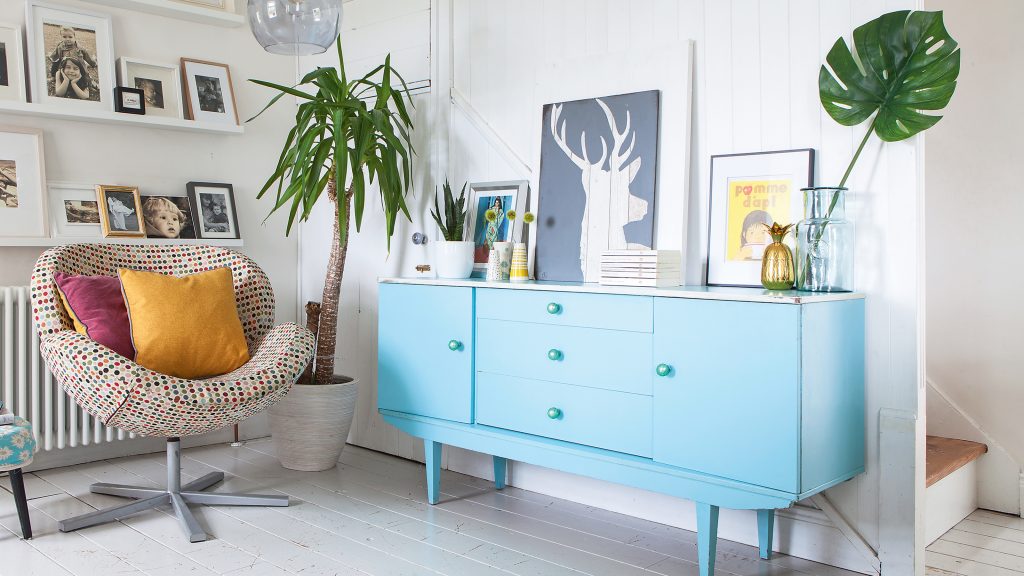
Getting Started with Upcycling
As you contemplate the infinite possibilities of DIY upcycling, the journey often begins with a simple gaze around your home. Look closely at the forgotten furniture pieces tucked away in corners or buried beneath layers of dust. These items, brimming with potential, can be revived into stunning, modern creations that can become focal points in your living space. The best part? You don’t need to be a seasoned craftsman to embark on this rewarding venture; just a keen eye and some creative spirit will do.
Identifying Potential Pieces
Not every piece of old furniture may be ready for the spotlight, but many can provide a solid foundation for a unique upcycling project. Start by identifying items in your home that may have qualities worth preserving or enhancing. Here are a few types of furniture that commonly yield fantastic results through upcycling:
- Wooden Chairs: A coat of paint or a reupholstered seat can take a vintage wooden chair to a whole new level of style.
- Coffee Tables: Old coffee tables can be sanded down and stained, or even converted into functional art pieces, such as storage units or workspaces.
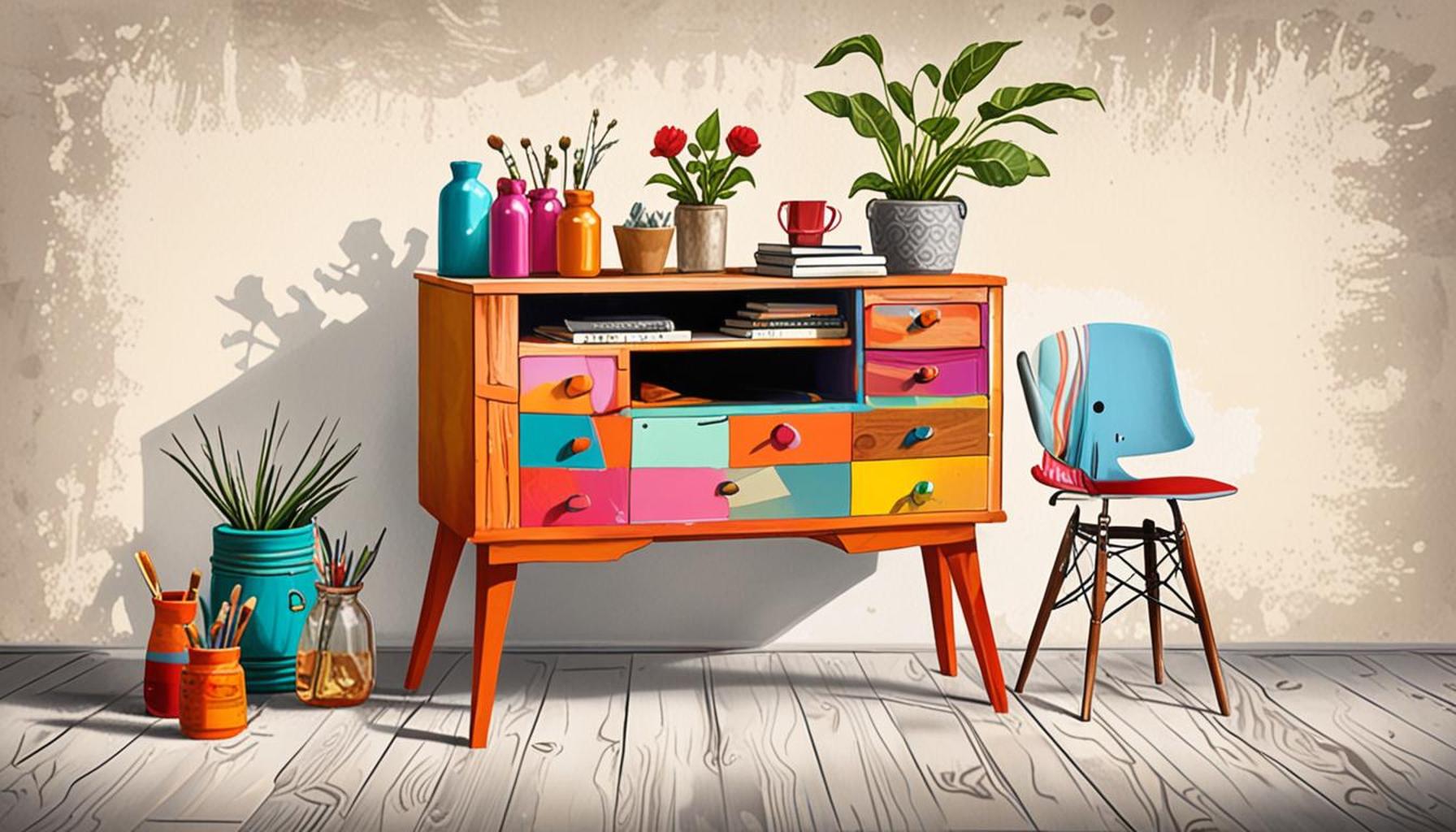
- Dressers: With a bit of creativity, an outdated dresser can transform into a chic sideboard for your living room or be revamped as a stylish TV stand.
- Bookshelves: Bookshelves can be painted or adorned with fabrics to give them a fresh, contemporary feel.
- Crates and Pallets: These common materials can be upcycled into unique picnic tables, stools, or even wall art with the right vision.
Once you’ve narrowed down your selection, it’s important to assess their condition. A few scratches or dents are often nothing a little sandpaper and paint can’t handle. Inspect for sturdiness—if a piece has structural integrity, it holds immense potential for transformation. Remember that the heart of upcycling lies in breathing new life into the old, so it’s essential to focus on pieces that resonate with you personally or hold sentimental value.
Gathering Your Tools
With your chosen furniture piece in mind, the next step in your upcycling adventure is assembling the necessary tools and materials. Don’t let the idea of a complex toolkit intimidate you; many projects can be done with a few simple items found around your home or easily sourced from local markets:
- Sandpaper: Essential for smoothing rough patches and prepping surfaces for painting.
- Paint or Stain: Choose colors that reflect your individual style or complement your home decor.
- Brushes and Rollers: For applying paint or stain evenly across your furniture.
- Fabric: Select materials for upholstery projects that showcase vibrant patterns or textures.
- Basic Repair Tools: Hammer, screwdriver, and nails for any necessary reinforcement.
Equipped with your tools and a creative mind, you’re ready to breathe fresh air into your old furniture. Each brush stroke and fabric choice will tell a story, transforming not just your home but also how you view the potential locked within your surroundings. The fulfilling journey of DIY upcycling is not just about aesthetics; it’s about fostering a sense of sustainability and a deep appreciation for the past while looking forward to the future.
| Category | Description |
|---|---|
| Sustainability | By engaging in DIY upcycling projects, you not only extend the life of furniture but also contribute to less waste in landfills. |
| Cost-Effective | Transforming old furniture saves money compared to buying new; upcycled pieces can be both unique and budget-friendly. |
| Personalization | You can create one-of-a-kind pieces tailored to your taste, making your living space truly your own. |
| Creativity | Upcycling encourages imaginative thinking and innovation, providing an excellent outlet for personal expression. |
In the realm of DIY upcycling, the act of transforming old furniture into modern pieces not only reflects personal creativity but also aligns with contemporary values of sustainability and functionality. Each project presents an opportunity to redefine aesthetics while saving resources, appealing to eco-conscious consumers and DIY enthusiasts alike. This blend of utility and artistry ignites a passion for craftsmanship, making your creations stand out and contribute to a more sustainable world. As interest in sustainable living grows, so too does the allure of unique upcycled furniture that embodies character and history. Let this trend inspire you to rethink what is possible with your old items.
CHECK OUT: Click here to explore more
Bringing Your Vision to Life
Once you have your tools and furniture ready, it’s time to unleash your creativity and embark on the actual upcycling process. This is where the magic happens—transforming an old piece of furniture into something uniquely yours. Let’s explore some innovative techniques and design ideas that can elevate your DIY upcycling projects to a whole new level.
Reimagining Functionality
Creative functionality is at the heart of successful upcycling. Consider how a piece can serve a different purpose in your home. For instance, a vintage ladder can be repurposed into a charming bookshelf, perfect for displaying plants or your favorite novels. Alternatively, an old trunk could function as a stylish coffee table while providing valuable storage for your belongings. In Nigeria, where space may be at a premium, multifunctional furniture is not just practical; it’s a necessity that enhances daily living.
Furthermore, think of the future use of your items. For example, transforming a console table into a workstation can be done by simply adding a small drawer for office supplies. With a little ingenuity, your furniture can adapt to your lifestyle rather than the other way around.
Color and Texture Play
Embracing color, texture, and materials can breathe life into your upcycling projects. In Nigeria, communities often draw inspiration from vibrant cultural elements. Think of using rich, traditional fabrics like Aso Oke or Ankara for upholstery that reflects local styles. This approach not only personalizes the piece but also pays homage to the rich cultural heritage. By incorporating elements of local craftsmanship, you give your furniture a story that connects the past with the present.
When it comes to paint, opt for bold and striking colors or even a distressed finish for a rustic look. A layered approach with colors can create depth, and using stencils or stamps can introduce intricate designs that echo African motifs. These techniques provide not just visual interest, but they also open the door to endless possibilities for customization.
Eco-Friendly Choices
The ethos of upcycling revolves around sustainability, making it crucial to consider eco-friendly options throughout your projects. Here are a few ways to keep your upcycling endeavors earth-friendly:
- Natural Paints: Seek out paints that are low in volatile organic compounds (VOCs), which are less harmful to your health and the environment.
- Second-Hand Materials: Use salvaged materials for things like drawer handles or legs, adding a touch of vintage charm while keeping waste to a minimum.
- Organic Fabrics: When choosing upholstery fabrics, look for organic or recycled options, which reduce the environmental impact and contribute to a sustainable lifestyle.
Each decision you make in your upcycling projects can lead to a positive impact on both your immediate environment and the broader community. Consider sharing your transformation process with friends and family, instilling a sense of awareness about the benefits of upcycling and the joy of giving new life to forgotten treasures.
Seek Inspiration from the Community
Nigeria is rife with creativity and innovation, and you can tap into this vibrant community for inspiration. Local artisans, markets, and online platforms often serve as treasure troves of ideas. You might find local workshops that hold classes on upcycling components of furniture, where hands-on experience can refine your skills and spark new ideas. Social media platforms, especially Instagram and Pinterest, can serve as excellent visual resources, showcasing the stunning work of fellow DIY enthusiasts.
As you immerse yourself in the world of DIY upcycling, remember that every project is a stepping stone, a learning opportunity that fosters creativity and resourcefulness. Embrace trial and error—you may stumble upon innovative techniques that lead to unexpected outcomes, and that’s part of the beauty of the journey. Your transformed furniture pieces will not only enhance your living space but also reflect your personal touch, sustainability practices, and love for creativity.
CHECK OUT: Click here to explore more
Embrace the Art of Upcycling
In conclusion, DIY upcycling projects offer a rewarding and innovative way to breathe new life into old furniture while also contributing to a sustainable lifestyle. By understanding the fundamentals of reimagining functionality, incorporating vibrant cultural elements, and prioritizing eco-friendly materials, you can transform discarded items into stylish, modern pieces that reflect your unique personality. Embarking on these projects not only enhances your living space but also fosters a deeper connection to your environment and heritage.
As you engage with the local community—drawing inspiration from artisans, workshops, and social media—you’ll discover a wealth of creative techniques and ideas that can ignite your imagination. Remember, each upcycling venture is an opportunity for exploration and growth, allowing you to navigate the delicate balance between creativity and sustainability.
Ultimately, the beauty of upcycling lies in the stories each piece tells, forging a connection between the past and present. The next time you consider tossing away a piece of furniture, think twice. Instead, envision its potential transformation and embrace the journey of revitalization. Through upcycling, you can not only cultivate an aesthetically pleasing home but also participate in a larger movement of conscious consumerism that values resourcefulness and creativity. Start your upcycling adventure today, and let your creativity reshape the world around you.