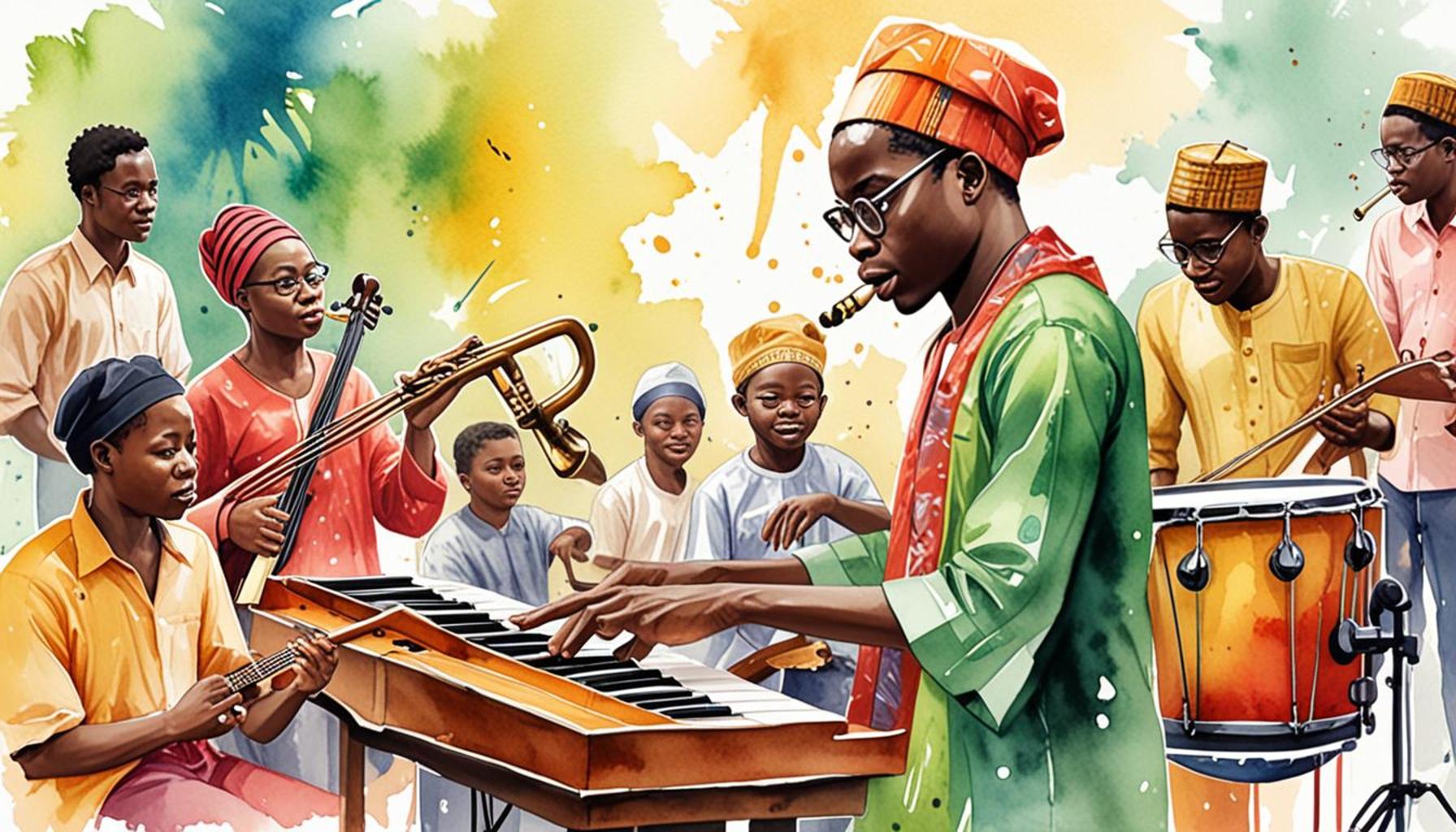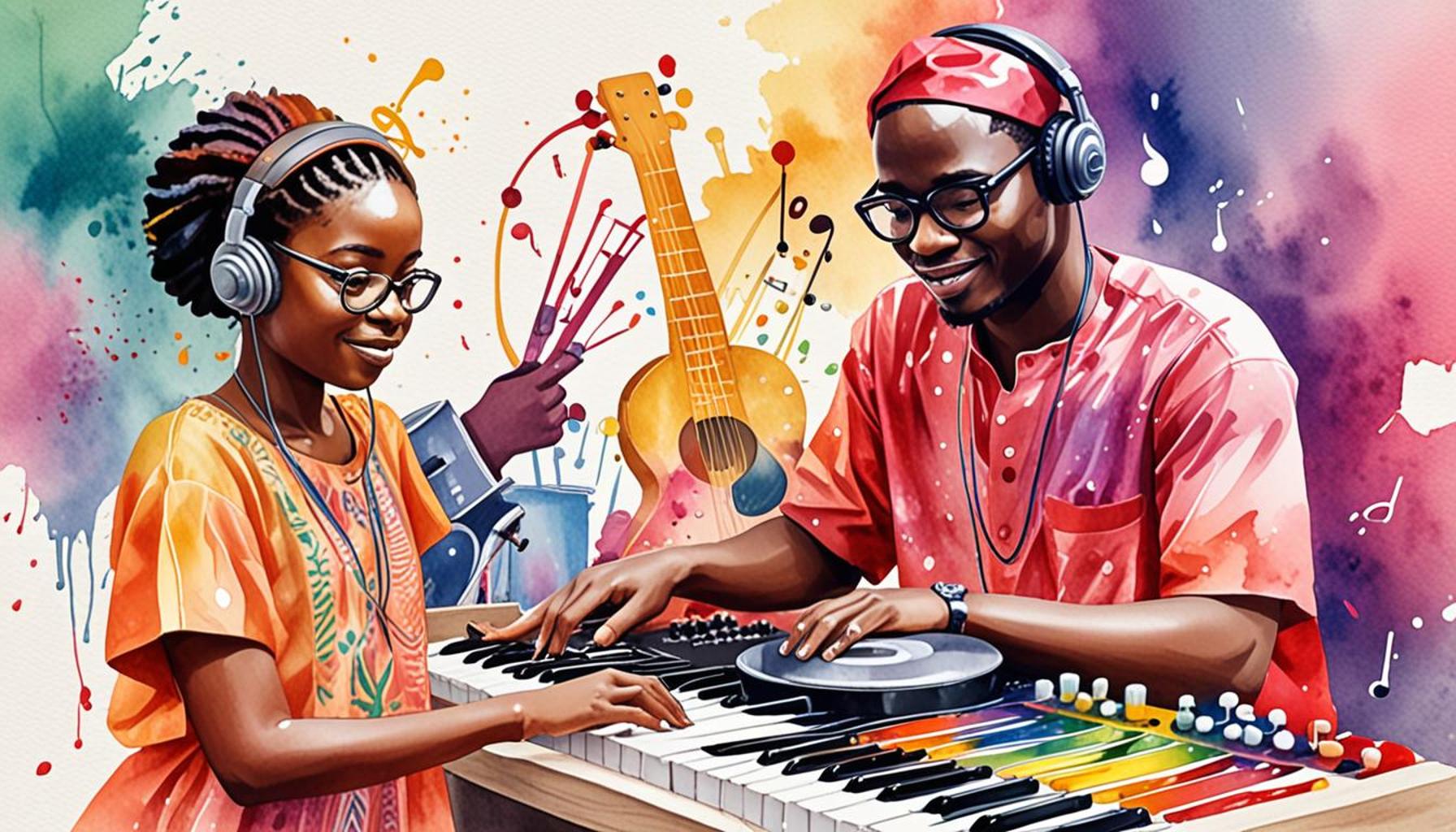
The Influence of Traditional Nigerian Music on the Creation of New Musical Genres
Understanding the Essence of Nigerian Musical Traditions
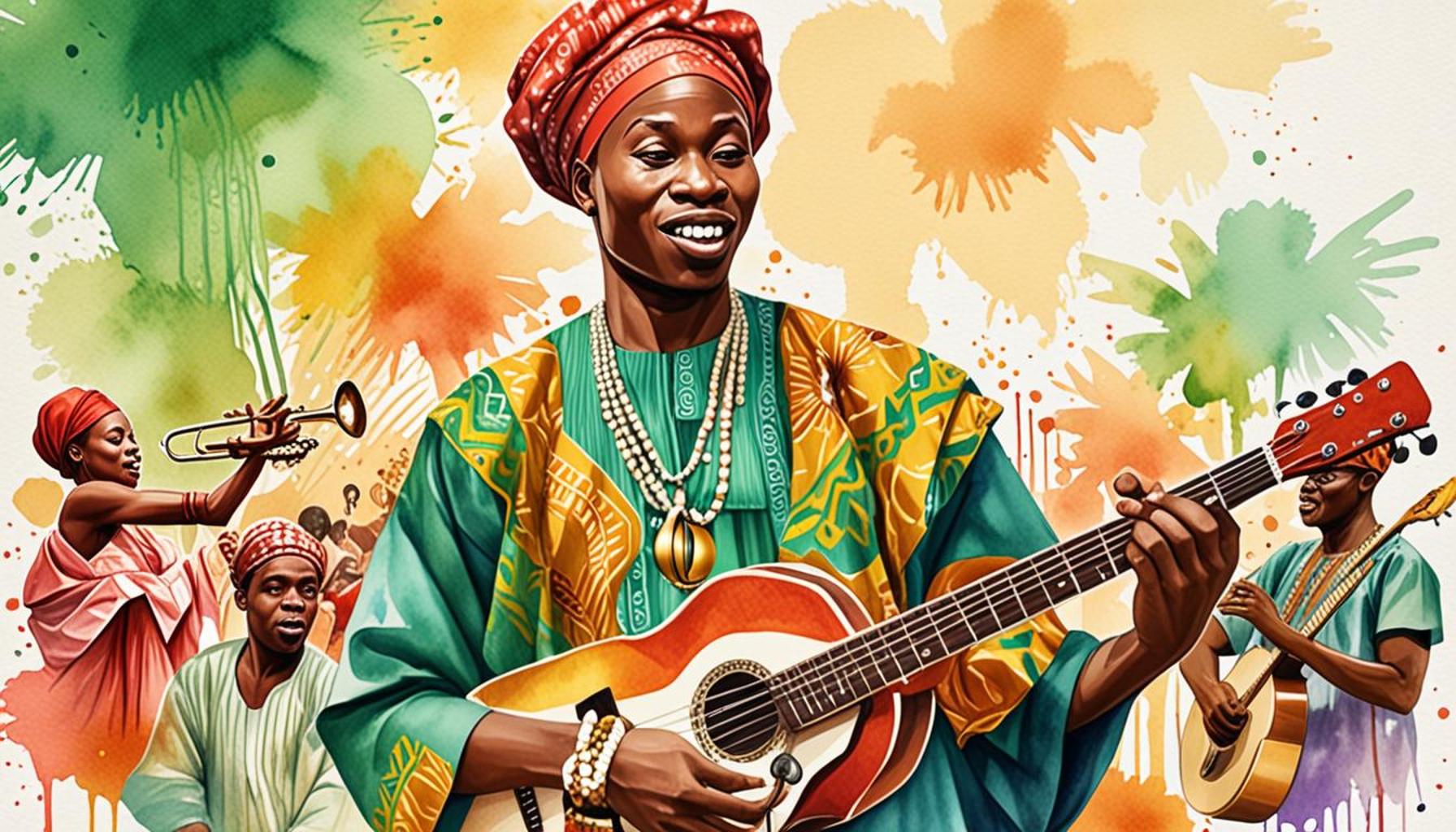
Traditional Nigerian music stands as a testament to the country’s rich cultural diversity and history. This vibrant art form not only serves as a crucial connection to Nigeria’s past but also significantly impacts contemporary music, offering a fusion that captivates audiences both locally and worldwide. The numerous ethnic groups in Nigeria, such as the Yoruba, Igbo, and Hausa, each contribute distinct musical styles and instruments, creating a rich tapestry that modern musicians continuously draw upon.
Instrumentation as a Key Influence
The variety of instruments used in traditional Nigerian music is astounding. Traditional instruments like the xylophone, known locally as the balafon, the talking drum or dundun, and the shekere, a gourd percussion instrument, have inspired countless modern artistes. For example, in his track “Joro,” Wizkid utilizes the percussive beat of the talking drum, blending it with contemporary sounds to create an infectious rhythm that appeals to a global audience. The incorporation of these traditional instruments adds a layer of authenticity that engages listeners and connects them to Nigerian heritage.
Rich Rhythmic Structures
Nigerian music is renowned for its complex rhythmic patterns and time signatures. Genres like Afrobeats and Afro-fusion have successfully integrated these traditional elements, allowing for a mesmerizing auditory experience. Artists like Burna Boy exemplify this by combining the beats of traditional drums with international styles, attracting a wide array of listeners. His hit “Ye” encapsulates this blending, showcasing the seamless transition between traditional and contemporary beats.
Cultural Narratives and Storytelling
Storytelling is woven into the fabric of Nigerian music, with traditional genres such as Highlife and Fuji often conveying powerful narratives about love, struggle, and cultural identity. The use of proverbs, local dialects, and rich imagery resonates deeply with audiences. For instance, the Fuji genre—a style that originated from the Yoruba culture—grows from the traditional practice of oral storytelling and has evolved into a contemporary staple, particularly prevalent at celebrations and social gatherings.
The interplay of traditional and modern influences allows contemporary Nigerian musicians to carve out a niche within the global music scene while remaining rooted in their cultural heritage. As these artists continue to evolve, they foster a greater appreciation of the depth of Nigeria’s musical legacy, bridging the gap between generations. This sonic journey signifies more than just musical progression; it is a celebration of identity and heritage.
As we explore the intricate layers of Nigerian music, it becomes evident that traditional sounds not only enrich modern genres but also serve as a dynamic medium for cultural expression. The ongoing evolution of this musical landscape invites audiences to delve deeper, encouraging a reconnection with the past while forging an exciting future for the sounds of Nigeria.
LEARN MORE: This related article may interest you
Traditional Rhythms: The Heartbeat of Modern Nigerian Genres
At the core of Nigeria’s vibrant musical landscape, the influence of traditional music is palpable in almost every new genre that emerges. This synergy between the old and the new provides a canvas that enables artists to forge unique sounds while paying homage to their roots. The integration of traditional Nigerian musical elements allows new genres to resonate more deeply with listeners, drawing from cultural narratives and rhythmic complexities that are inherently Nigerian.
The Evolution of New Genres
The evolution of Nigerian music has seen the birth of various new genres, particularly with the global rise of Afrobeats, Hip-hop, and Afro-fusion. These genres are often characterized by their catchy melodies and infectious rhythms, yet they are fundamentally grounded in traditional sounds. A prime example is the genre of Afrobeats, which brilliantly interweaves traditional Nigerian rhythms with modern production techniques, creating a genre that encapsulates both cultural heritage and contemporary flair.
Many modern artists are diving deep into the well of traditional sounds to inspire their creativity. Some notable genres and their respective influences include:
- Afrobeats: Characterized by its up-tempo beats, this genre incorporates the traditional sound of percussion instruments, particularly the talking drum and shekere.
- Hip-hop: Many Nigerian hip-hop artists infuse Yoruba and Igbo proverbs into their lyrics, enriching the storytelling aspect of their tracks while using traditional drum patterns to enhance the rhythm.
- Highlife: Originating from the fusion of traditional Ghanaian and Nigerian sounds, modern artists capitalize on traditional instrumentation, creating melodies that harken back to roots while crafting a contemporary vibe.
The Interweaving of Lyrics and Dialect
The lyrics of contemporary Nigerian songs often reflect the profound impact of traditional music, as artists frequently incorporate local dialects and proverbs from their respective cultures. This practice not only fosters cultural pride but also enhances the emotional connection with their audience. Songs driven by the storytelling traditions of Nigerian music serve as a platform for artists to address societal issues, personal tales, and shared experiences, further cementing the role of traditional music in shaping new genres.
In the hands of modern musicians, the message and themes of traditional music remain relevant. By weaving narratives that speak directly to the heart of their audience, artists bring forward the essence of Nigerian culture, ensuring its survival and evolution. As the global music scene continues to evolve, the significance of local expressions and traditions can no longer be overlooked; rather, they play an essential role in influencing emerging sounds and genres.
The journey of traditional Nigerian music reflects a dynamic interplay of history and modernity, one that continues to inspire a new generation of musicians and music lovers alike. By understanding and appreciating the depths of their heritage, artists unlock new dimensions within their creative expression, paving the way for a future that celebrates both tradition and innovation.
| Influence | Impact |
|---|---|
| Cultural Synergy | Traditional rhythms and instruments are blended into contemporary genres. |
| Innovative Collaborations | Fusion with global music styles leads to unique soundscapes. |
The rich tapestry of traditional Nigerian music continues to inspire an innovative approach to new musical genres. One notable impact is the concept of cultural synergy. By infusing traditional rhythms and instruments into modern musical styles, artists create a vibrant sound that resonates both locally and internationally. This blending of the old with the new not only attracts younger audiences but also keeps the heritage alive.Furthermore, innovative collaborations between traditional musicians and contemporary artists foster unique soundscapes. This fusion music movement has given rise to genres such as Afrobeats and Afro-fusion, captivating global listeners while simultaneously highlighting the importance of Nigerian music traditions. As musicians explore and experiment, they continue to push boundaries, creating a powerful dialogue between past and present that encourages listeners to delve deeper into the cultural roots of the music they enjoy. These evolutions demonstrate the ongoing legacy of Nigerian music and its vital role in shaping the future of musical landscapes.
CHECK OUT: Click here to explore more
Cultural Crossroads: Traditional Instruments and Modern Soundscapes
The traditional music of Nigeria is not merely a collection of melodies but a complex tapestry woven with a variety of instruments that shape its unique sound. Instruments such as the djembe, ogun, and saxophone have found their way into modern genres, allowing artists to blend the old with the new in innovative ways. The resurgence of traditional instruments in contemporary music highlights an intrinsic respect for heritage, while simultaneously creating fresh soundscapes that appeal to younger audiences.
Traditional drumming provides a prime example of this evolution. The use of talking drums in Afrobeats—another genre that has gained massive traction globally—exemplifies how traditional music can nourish the new. The talking drum allows for varied rhythms that can mimic speech patterns, creating an engaging dialogue with the audience. Artists like Wizkid and Davido have successfully incorporated these elements, lending authenticity to their tracks while making traditional sounds palatable for a global audience.
The Role of Collaboration in Modern Genres
The fusion of traditional and contemporary music in Nigeria is further evident in the collaboration between seasoned traditional musicians and upcoming contemporary artists. This approach has resulted in transformative projects that bridge generational gaps, allowing both styles to coexist harmoniously. For instance, a notable collaboration between traditional highlife musicians and modern Afrobeats creators showcases how music can transcend boundaries, enriching both genres in the process.
Furthermore, collaborations with international artists have fostered a global appreciation for the nuances of Nigerian music. Collaborations like that of Burna Boy with international stars have often included elements like folkloric chants or traditional rhythms, creating a blend that is both innovative and reflective of Nigerian identity. Such partnerships highlight the capacity of traditional Nigerian music to adapt and resonate widely, influencing new listeners while remaining true to its roots.
The Influence of Festivals and Local Communities
Festivals celebrating traditional music play an essential role in keep the essence alive and providing a platform for showcasing emerging artists. Events like the Lagos International Jazz Festival and the Calabar Carnival celebrate both traditional and modern music styles, allowing artists to perform in a culturally rich context. These festivals not only promote local talent but also educate younger generations about their cultural heritage, sparking greater interest in traditional forms of music.
Moreover, community-driven events allow musicians to gather feedback and inspiration from the audience, making the music stronger and more relatable. Artists often observe traditional dances and storytelling, integrating these aspects into their work, which in turn enriches the modern musical landscape.
Ultimately, through the interplay of collaboration, instrumental innovation, and cultural festivals, traditional Nigerian music continues to exert a profound influence on the creation of new musical genres. This synergy fosters a dynamic and evolving musical scene that resonates locally and resonates globally, ensuring that the legacy of Nigeria’s rich musical heritage remains vital and relevant for years to come.
LEARN MORE: This related article may interest you
Conclusion: A Harmonious Future Rooted in Tradition
The journey of traditional Nigerian music into modern genres illustrates a vibrant tapestry of cultural exchange that informs and enriches the musical landscape both locally and globally. Through the creative use of traditional instruments, the innovation of collaborations, and the celebration of music festivals, artists breathe new life into the echoes of their ancestors, ensuring that the essence of Nigerian heritage is not only preserved but also adapted for contemporary audiences. As seen in the works of artists like Wizkid, Burna Boy, and Davido, the incorporation of talking drums and other traditional elements infuses modern tracks with authenticity, fostering a deep connection with listeners who seek both nostalgia and novelty.
The role of local communities and festivals is equally significant in fostering this dialogue between tradition and modernity. Music events such as the Lagos International Jazz Festival provide a platform where both veteran artists and newcomers can engage with audiences, bridging generational gaps and promoting appreciation for cultural roots. This ongoing engagement cements the idea that traditional Nigerian music is not an isolated relic of the past, but a living, breathing entity that continues to inspire innovation.
Ultimately, the influence of traditional Nigerian music on new musical genres paints a compelling picture of evolution, resonance, and adaptability. It beckons future generations to explore their cultural identity while embracing a global musical narrative. As the world looks toward Nigeria’s rich heritage, one thing remains clear: traditional music will continue to shape and redefine the soundscapes of tomorrow, reminding us that the past and future can harmoniously coexist.