
Minimalism in the Kitchen: How to Reduce Items and Increase Functionality
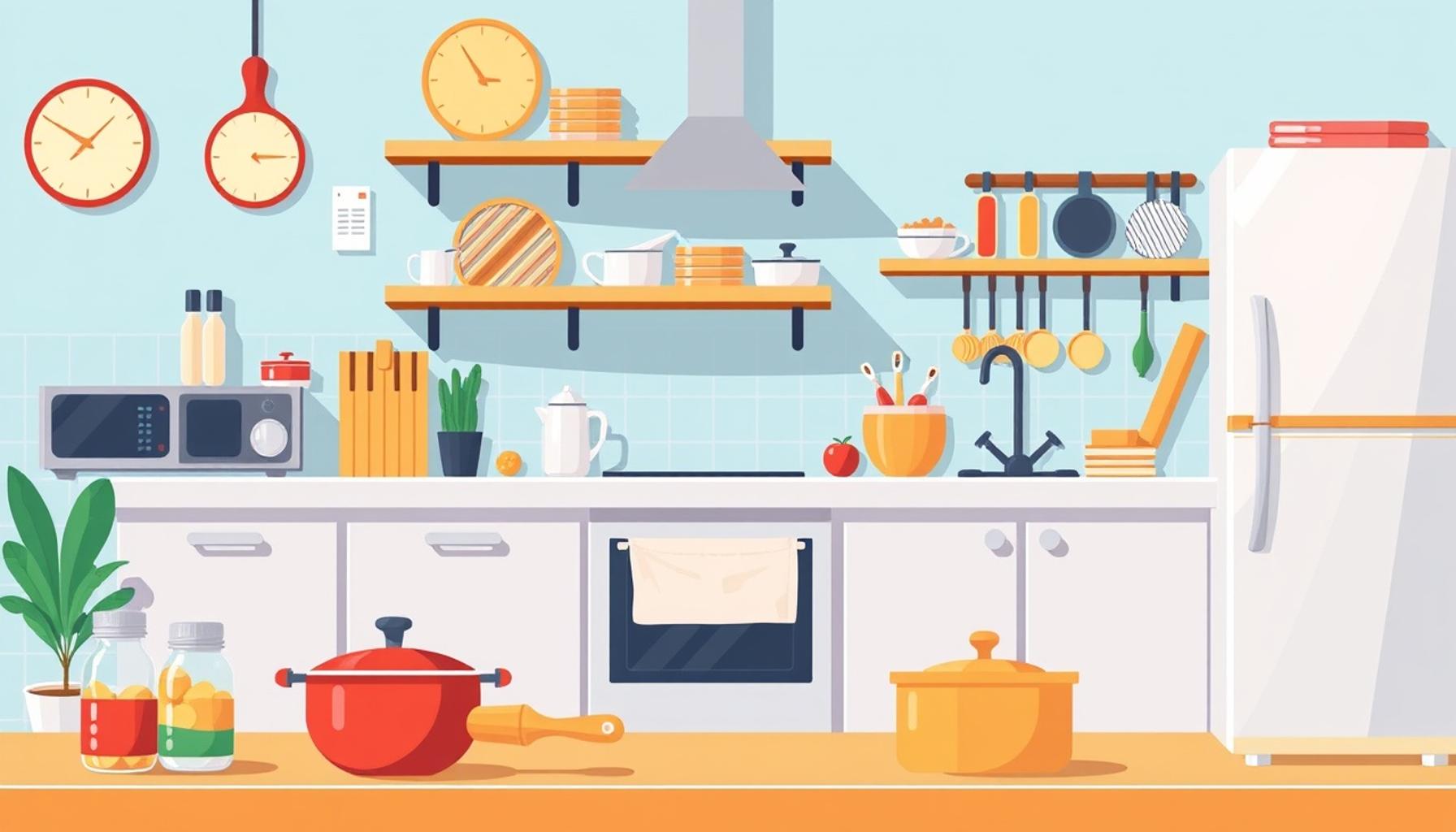
Rethinking Your Culinary Space
In a society that prioritizes speed and convenience, kitchens often transform into a chaotic landscape filled with seldom-used appliances, mismatched utensils, and a collection of gadgets that gather dust. This clutter can not only stifle creativity but also hinder the joyful experience of cooking. Embracing a minimalist ethos in your kitchen can pave the way for a more serene and efficient cooking environment.
Picture a kitchen where each item is carefully curated, contributing positively to your cooking experience. By actively decluttering your space, you can concentrate on a select few essential items that truly enhance your culinary endeavors. Focus on:
- Essential tools, such as a good chef’s knife, a sturdy cutting board, and quality pots and pans that simplify meal preparation.
- Multi-functional items like an Instant Pot or a food processor that can perform multiple tasks, thus saving both space and money.
- Thoughtful organization with designated spaces for everything, promoting an inviting and accessible atmosphere.
The rewards of embracing minimalism in your kitchen are multifaceted, reaching beyond mere aesthetics. A streamlined kitchen can significantly:
- Promote creativity as it encourages you to explore new recipes and cooking styles, unencumbered by a myriad of tools.
- Lower stress levels by eliminating decision fatigue; fewer choices can lead to a more focused and enjoyable cooking process.
- Enhance efficiency, allowing you to prepare meals faster and with greater pleasure, thus making the dining experience more rewarding.
As you ponder over integrating this lifestyle change, consider how each aspect of your daily culinary routine may improve. It is about reevaluating what items are truly necessary and crafting a functional kitchen that sparks culinary innovations and delights. Here are some practical steps to help you transition effectively:
Practical Steps for Minimalism in the Kitchen
Start by auditing your current inventory. Take out all your kitchen items and categorize them into things you use regularly and items you haven’t touched in months. For example, if you have a popcorn maker that has collected dust since last movie night, consider if it truly deserves space in your kitchen.
Next, engage in an open conversation with your storage solutions. Invest in stackable containers and drawer organizers to maximize space. Clear, labeled bins can streamline the storage of dry goods, spices, and baking supplies, making it easier to find what you need quickly.
Lastly, cultivate a mindset of intentionality. When shopping for new kitchen gadgets or tools, apply the ‘one in, one out’ rule—if you bring a new item in, something must go out. This approach not only keeps clutter at bay but also encourages thoughtful purchasing.
By embracing minimalism, you can transform your kitchen into a streamlined haven that invites creativity and efficiency. Take the first step today, and discover how a simplified culinary space can lead to new adventures in cooking.
DISCOVER MORE: Click here for essential tips on decluttering and organizing
Embracing Simplicity in Your Culinary Space
The journey toward a minimalist kitchen begins with recognizing the excessive items that clutter your space. A cluttered kitchen not only affects your aesthetic sensibilities but can also impede your ability to cook effectively. The first step is to evaluate your kitchen items and determine what is necessary for your specific culinary style. By focusing on the essentials, you can enhance both functionality and joy in your cooking experiences.
When curating your kitchen tools, it is crucial to assess their practicality and frequency of use. Begin by categorizing your kitchenware into three main groups:
- Daily Use: Items you utilize every day, such as a reliable chef’s knife, a set of measuring cups, and your favorite frying pan.
- Occasional Use: Tools that surface during special occasions or specific cooking tasks, such as a mandoline slicer or a roasting pan.
- Rarely Used or Duplicates: Utensils and gadgets that you haven’t touched in the last six months or that serve the same purpose, which should be considered for removal.
Take a few moments to thoughtfully dispense with the duplicates and the rarely used items. This process not only clears counter space but also carves out mental space conducive to creativity.
Another vital tactic in adopting minimalism is to understand the significance of multi-functional items. Investing in tools that serve various purposes can drastically reduce the total number of items needed. For instance, a high-quality food processor can chop, slice, shred, blend, and even knead dough, replacing several single-use gadgets that take up valuable real estate in your drawers and cabinets. Similarly, consider tools like a cast iron skillet, which can be used for sautéing, baking, and even grilling, offering both versatility and longevity.
Transitioning to a minimalist kitchen isn’t merely about discarding items; it’s about creating an infrastructure that facilitates an enjoyable cooking experience. Thoughtful organization plays a crucial role in this transformation. Ensure that items are easily accessible, stored in a way that you can see and reach them when needed. This approach can significantly decrease time spent searching for tools, fostering a more enjoyable cooking environment.
Furthermore, be mindful of your storage solutions. Stackable containers for pantry items and drawer dividers for utensils can create harmony in your kitchen. As you organize, think about ease of access. Place the items you use most often within arm’s reach, and save higher shelves for less frequently used items.
By taking actionable steps toward reducing clutter and increasing functionality, you set the stage for a kitchen that encourages exploration and culinary creativity. As you embark on this minimalist journey, you are sure to discover that less truly can be more in the realm of cooking.
| Advantage | Description |
|---|---|
| Enhanced Efficiency | By reducing clutter, you can navigate your kitchen more easily, allowing for quicker meal preparation. |
| Streamlined Clean-Up | Fewer items lead to less time spent cleaning, allowing you to enjoy cooking without the burden of extensive cleanup. |
| Focus on Quality | Investing in high-quality tools instead of numerous gadgets ensures better performance and longevity in the kitchen. |
| Increased Creativity | A minimalist environment can ignite your creativity in cooking, prompting you to experiment with existing ingredients more freely. |
| Mental Clarity | A clear space fosters a clear mind, letting you focus on the culinary arts without distractions. |
DISCOVER MORE: Click here to simplify your space
Creating a Culinary Oasis with Strategic Design
While reducing clutter and selecting multi-functional items are crucial components of minimalism in the kitchen, design and layout play an equally significant role in enhancing your cooking space. Efficient kitchen design can improve functionality, making cooking a spontaneous and enjoyable activity. Let’s explore how to maximize your workspace and implement strategies for a streamlined kitchen experience.
One effective method to implement minimalism is by adopting an open shelving concept. Instead of traditional upper cabinets that can create a sense of confinement, open shelves allow for an airy, spacious feel. They facilitate easy access to your favorite cooking essentials while showcasing beautiful ceramics or cookbooks. Consider utilizing a consistent color palette for visual cohesion—this strategy not only simplifies the look but also makes it easier to locate items at a glance.
Additionally, cabinets equipped with pull-out shelves and drawers can significantly enhance accessibility. These modern solutions minimize bending and reaching, allowing you to make the most out of every inch of space. Think beyond traditional drawer organizers; innovative options such as tiered spice racks or pull-out pot organizers can create a scenario where every item has its place, enhancing both functionality and aesthetics.
Lighting is another pivotal element in achieving a minimalist kitchen. Proper task lighting can elevate your cooking experience by ensuring that each workstation is well-lit. Under-cabinet lights, for instance, provide direct illumination for meal prep areas, reducing the risk of accidents and improving overall efficiency. Natural light is also a fantastic asset; if possible, consider unobstructed windows that invite sunlight in, making your kitchen a warm and inviting space.
Moreover, to cultivate a minimalist atmosphere, keep countertops as clear as possible by incorporating hidden storage solutions. For instance, a mason jar system can elegantly house dry ingredients while a wheeled cart can serve as both a prep station and an extra surface when required, all while being easy to move and store. Consider mounting tools such as pots, pans, and utensils on pegboards to free up valuable surface area and add a visually intriguing aspect to your kitchen.
Creating a simple but effective inventory system can also bolster your minimalist kitchen. A checklist or digital app can help keep track of items in your pantry, making it simpler to plan meals and utilize what you have before restocking. This not only minimizes waste but also encourages creativity in using available ingredients to craft delicious meals.
As we explore the theme of minimalism further, consider the psychological benefits of a decluttered kitchen environment. Studies show that organized, clean spaces can lead to reduced stress levels and increased motivation. With fewer distractions, you may find yourself more focused and inspired while cooking or experimenting with new recipes.
Ultimately, embracing a minimalist kitchen is about aligning your space with your culinary values. Each item, each element, should serve a purpose that is both practical and reflective of your style. By chasing simplicity through fundamental design choices and functionality-driven organization, you create a kitchen that embodies your culinary journey.
DISCOVER MORE: Click here for essential tips on decluttering and organizing
Embracing Minimalism: A Path to a Functional Kitchen
In conclusion, adopting a minimalist approach in the kitchen is not merely about reducing the number of items you own but rather about enhancing functionality and creating a harmonious environment that aligns with your cooking style and lifestyle. By strategically evaluating and simplifying your culinary space, you can transform it into an oasis of efficiency where each item serves a clear purpose.
From open shelving that maximizes accessibility to the implementation of smart storage solutions, every design choice plays a vital role in facilitating a pleasant cooking experience. Moreover, the significance of good lighting cannot be overstated; proper illumination makes meal preparation safer and more enjoyable, while natural light invigorates the space. Additionally, maintaining clear countertops not only promotes organization but also encourages creativity, allowing you to experiment freely with new recipes and flavors.
The shift towards minimalism in the kitchen also reflects a growing awareness of mental health benefits, as a clean and organized space can reduce stress and enhance focus. By adopting a simpler, functional design that celebrates essential tools over clutter, you invite a refreshing atmosphere into your life that encourages culinary exploration.
Ultimately, minimalism in the kitchen encourages you to be intentional about what you keep and how you arrange your space. As you embark on this journey, remember that each choice is a step toward not just a more efficient kitchen, but a fulfilling culinary experience that resonates with your personal values. Embrace the freedom that comes with simplicity, and watch as your kitchen becomes a reflection of both your aesthetic and culinary passion.