
Mindful Choices in Creating Spaces: How Minimalism Can Influence Decoration and Interior Design
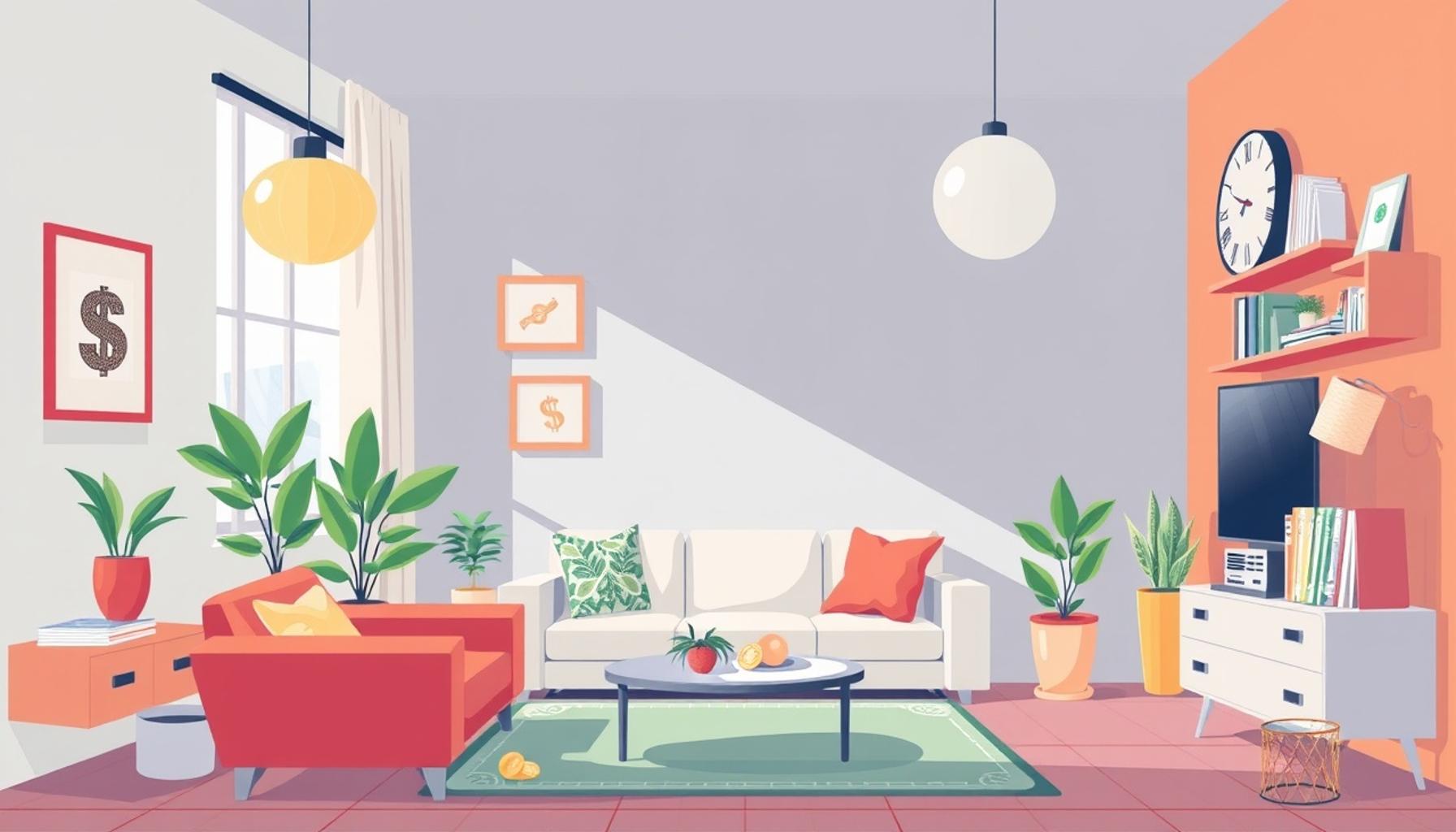
The Transformative Power of Minimalism
In today’s fast-paced environment, where distractions are abundant and consumerism reigns, adopting mindful choices in interior design becomes not just advantageous but essential. Minimalism, as a philosophy, encourages individuals to critically evaluate their living spaces and make deliberate selections that enrich their lives while promoting mental clarity and emotional peace. This shift towards simplicity not only enhances the visual appeal of our homes but also fosters a deeply serene atmosphere conducive to mindfulness.
Minimalism is far from being a fleeting design trend; rather, it represents a significant lifestyle choice that carries considerable implications for mental health and wellness. The concept revolves around the idea that less truly can be more. By stripping away excess, one can curate a living environment that supports tranquility and focus. Here are several key features capturing the essence of minimalism:
- Decluttered Spaces: A home bereft of clutter is more than visually pleasing; it allows for mental clarity. Research shows that environments filled with excessive belongings can be overwhelming and distracting. Prioritizing a few meaningful items creates a sense of calm and improves emotional health.
- Natural Materials: Incorporating elements like wood, stone, and linen into your design not only enhances aesthetic appeal but also strengthens our connection to nature, promoting tranquility and well-being. For instance, a living room adorned with a reclaimed wood coffee table invites warmth and a natural vibe.
- Neutral Color Palettes: Choosing soft hues such as beige, white, and pale greens can significantly influence mood. These calming colors are often associated with relaxation, making them perfect for bedrooms and living spaces intended for unwinding.
- Functional Furniture: Opting for multi-purpose pieces such as a sofa bed or a coffee table with storage helps maximize space while still being practical. This ensures that functionality does not come at the expense of aesthetics.
These essential elements not only illustrate how minimalism can influence decoration but also act as a foundation for environments that resonate with intentional living. As we examine how our choices affect our state of mind, the links between our surroundings and emotional well-being become increasingly clear.
If you are intrigued by how a minimalist approach might transform your own living space, you may want to delve further into the realms of mindful decoration and interior design. Consider exploring resources such as minimalism blogs, home tours, or even virtual workshops to help kickstart your journey towards creating a more peaceful and fulfilling environment.
Embracing minimalism is not merely about reducing material possessions but about fostering a deeper understanding of what truly contributes to a mindful life. This transformative process requires intentionality and a willingness to let go—of items, distractions, and perhaps even time sinks—to make room for greater experiences and serenity. Are you ready to take the first steps towards a more mindful existence?
DIVE DEEPER: Click here to discover essential tips for decluttering
Embracing Intention: The Principles of Minimalist Interior Design
When delving into the world of mindful decoration, it is crucial to appreciate the guiding principles of minimalism, which prioritize simplicity and intention. The minimalist approach encourages us to create spaces that resonate with who we are at our core, emphasizing quality over quantity. This exploration leads to the realization that each element within a space should contribute meaningfully to our lives. Below are key principles that encapsulate the ethos of minimalism in interior design:
- Intentional Selection: Each item in a minimalist space should serve a purpose or evoke joy. This requires a thoughtful evaluation of what truly matters to us, whether it be a beloved piece of artwork or a functional piece of furniture. By making careful choices, we are not only decluttering our physical spaces but also refining our emotional landscapes.
- Open Spaces: A hallmark of minimalist design is the use of open spaces that allow for free movement and flow. These areas provide a sense of freedom and reduce feelings of confinement that can arise in cluttered environments. Embracing open layouts can enhance our ability to think clearly and feel more relaxed in our homes.
- Mindful Lighting: The interplay of light and shadow in a space can significantly influence ambiance. Large windows, strategically positioned mirrors, and the use of natural lighting can create an uplifting atmosphere that invites serenity and positivity. Soft, warm lighting can further enhance your home’s overall tranquility.
- Emphasis on Textures: Minimalism does not mean sacrificing warmth. By thoughtfully incorporating different textures—a soft wool throw, smooth glass, or rustic wood—you can add an inviting element to your design. Sensory experiences promote comfort, making your space feel homely despite its simplicity.
The beauty of minimalism lies in its adaptability. It invites individuals to reflect on their values and the environment they create. By embracing these principles, one not only designs a visually appealing space but also cultivates an environment supportive of mental and emotional health. It is an experiment in finding balance, where the absence of excessive adornment allows for the presence of calm and clarity.
Moreover, creating a minimalist environment is a personal journey that often leads to unexpected discoveries about our preferences and lifestyles. This shift in mentality promotes a sustainable approach that not only reduces waste but fosters appreciation for well-crafted items. As you begin to adopt these principles in your home, it might be enlightening to document your process, discovering unexpected benefits along the way.
As we continue to dissect the profound impacts of minimalism on interior design, it is essential to remember that simplified spaces are not merely a design choice; they reflect a deeper connection to the way we choose to live. In the following sections, we will explore concrete strategies for implementing these ideas into your own home, enabling you to create a sanctuary that epitomizes mindfulness and intentionality.
| Category | Advantages |
|---|---|
| Space Efficiency | Minimalism emphasizes the importance of creating open spaces, which can enhance natural light and improve airflow. |
| Reduced Clutter | Fewer items lead to a more organized environment, which can greatly reduce stress and promote mental clarity. |
| Timeless Aesthetic | Minimalist design trends tend to transcend time, providing a lasting style that reduces the frequency of redecorating. |
| Eco-Friendliness | Minimalism often encourages using sustainable materials, reducing waste through thoughtful design choices. |
When considering the influence of minimalism on decoration and interior design, the approach encourages creative mindful choices. This philosophy not only affects aesthetics but also impacts the overall functionality of a space. Adopting a minimalist framework can lead to greater mindfulness in purchasing decisions, ensuring that each item chosen for a space serves a purpose or brings joy. This is paramount in avoiding the accumulation of items that may weigh down an environment both physically and mentally.Moreover, minimalism goes beyond just aesthetics; it encompasses a lifestyle shift towards simplicity and clarity. With fewer distractions in a space, individuals often find it easier to focus, leading to enhanced productivity and well-being. By opting for quality over quantity, homeowners can curate a personal sanctuary that reflects their values and promotes authentic living.This intentional design process also opens doors to versatile décor options that can evolve with time without becoming outdated. The intersection of minimalism and sustainability dovetails with a growing trend towards a more responsible lifestyle, further enhancing the importance of making mindful design choices.
DIVE DEEPER: Click here for essential tips on decluttering
Strategies for Mindful Decoration: Applying Minimalism to Your Spaces
Implementing minimalism in your interior design is a rewarding practice that transcends mere aesthetics, fostering a mindful lifestyle. As you embark on this journey, consider the following strategies that can help you cultivate spaces that reflect both simplicity and intentionality.
- Curate with Authenticity: A key strategy in minimalist decoration involves the curation of items that resonate with your true self. Rather than filling a room with conventional decorations, embrace pieces that have personal stories or evoke meaningful memories. For example, a handmade bowl from your travels can serve as a beautiful centerpiece while also reminding you of cherished experiences. By focusing on authenticity, your spaces will not only display beauty but also tell a unique narrative.
- Utilize Multifunctional Furniture: In smaller spaces, the importance of multifunctionality cannot be overstated. Furniture that serves dual purposes, such as a coffee table with storage or a fold-out desk, not only saves space but also embodies the minimalist principle of making choices that serve dual purposes. This approach reduces clutter while ensuring a harmonious aesthetic, allowing for both functionality and design to coexist.
- Incorporate Natural Elements: Biophilic design emphasizes the connection between humans and nature, and minimalism complements this beautifully. Integrating natural elements—such as houseplants, stone, or wooden accents—into your space not only brings warmth and life but also creates a calming atmosphere. Research suggests that greenery can improve mood and well-being, making plants an excellent choice for minimalist decor.
- Mindful Color Palettes: The conscious use of color in minimalist spaces can enhance psychological well-being. Opt for neutral shades like whites, grays, and beiges to build a serene foundation. To add a touch of individuality, consider incorporating one bold accent color thoughtfully, perhaps through a single piece of artwork or a striking cushion. This technique keeps the overall environment tranquil while allowing for personal expression.
- Establish Zones: When creating a minimalist environment, establishing distinct zones for different activities can enhance functionality and flow. For instance, delineating a reading nook using a cozy armchair and a small bookshelf invites relaxation, while an open dining area encourages social interaction. Clear distinctions help residents navigate spaces intuitively and reinforce the idea of intentional living.
Incorporating these strategies requires a shift in mindset from accumulation to curation, allowing you to gain a fresh perspective on your living environment. Think of your home as a canvas awaiting your touch—each selection of furniture, color, and decor helps paint a picture of who you are. Furthermore, embracing minimalism is not only beneficial for aesthetic purposes but also poses a sustainable solution in a world often dictated by consumerism.
Engaging with the principles of mindful decoration ultimately paves the way for deeper self-awareness and satisfaction. As you refine your approach to interior design, the process of streamlining and thoughtfully selecting items unveils the beauty of simplicity and encourages a deeper connection to your surroundings. With each adjustment, you are carving out a space that promotes mental clarity, emotional stability, and a true reflection of your values—allowing your home to become a sanctuary of peace.
DISCOVER MORE: Click here to simplify your space
Conclusion: Embracing Minimalism for Mindful Living
In conclusion, the practice of minimalism in decoration and interior design goes far beyond simply decluttering your space; it invites a profound transformation in how we perceive and interact with our environment. By making mindful choices, we move away from the chaos of excess and towards a holistic lifestyle that prioritizes intention, beauty, and sustainability. Each piece of furniture or decoration becomes a reflection of our values—encouraging us to invest in items that bring not only aesthetic pleasure but also emotional resonance.
As we reimagine our living spaces through a minimalist lens, we cultivate a sanctuary that fosters well-being and serenity. Whether by selecting multifunctional furniture, embracing natural elements, or curating a mindful color palette, we empower ourselves to create environments that are both functional and inspiring. This journey is not only an artistic endeavor but also a commitment to a mindful lifestyle that champions sustainability and thoughtful living.
Ultimately, minimalism holds the potential to reshape our understanding of home—transforming it into a space that nurtures mental clarity and emotional stability. It acts as a gentle reminder that less can truly be more, urging us to focus on quality over quantity. As you embark on this exciting journey of redefining your spaces, let each mindful choice you make deepen your connection to both your surroundings and yourself, creating a harmonious atmosphere that reflects your authentic self.